






The Perfect Target Market
The explosion of running in the United States, particularly since 2020, has created more than just crowded race corrals. It has cultivated a massive, highly engaged consumer demographic that is obsessed with metrics, performance, and optimization. Runners
track their mileage, heart rate, sleep quality, and increasingly, their nutrition and recovery. They are educated consumers, willing to invest in products that promise a competitive edge or faster bounce-back. And it’s this unique combination of data-driven mindset and wellness spending that has put them directly in the crosshairs of India’s ambitious wellness brands. For these companies, the modern American runner isn't just an athlete; they are the ideal customer. They actively seek solutions for common ailments like inflammation, muscle soreness, fatigue, and mental stress—all areas where traditional Indian wellness systems, particularly Ayurveda, claim expertise. This community’s word-of-mouth power, amplified through platforms like Strava and Instagram, makes them a powerful entry point into the crowded $1.8 trillion global wellness market.
Ayurveda, Rebranded for Performance
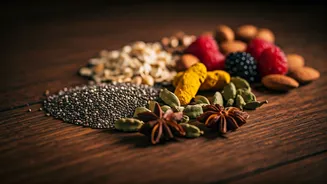
For many Americans, Ayurveda might conjure images of yoga retreats and complex dietary rules. But the Indian brands targeting runners are taking a much more direct, product-focused approach. They aren't selling a lifestyle overhaul; they're selling solutions. The strategy involves isolating key ingredients from the Ayurvedic tradition and marketing them based on their functional benefits, using language that resonates with a Western, science-minded audience. Take Ashwagandha, an adaptogen traditionally used to combat stress. It’s now being marketed as a tool to lower cortisol levels, improve sleep, and enhance endurance—all key concerns for athletes in heavy training blocks. Similarly, turmeric, long a staple in Indian kitchens, is being sold in high-potency capsules and tinctures specifically for its anti-inflammatory properties, positioned as a natural alternative to ibuprofen for post-run soreness. Other ingredients like Brahmi for mental focus and Shatavari for hormonal balance are also being packaged for the performance-oriented consumer. The ancient tradition is still there, but the sales pitch is thoroughly modern.
The Brands Making the Leap
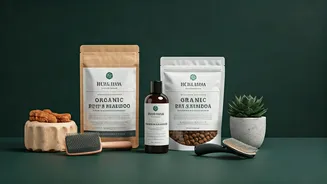
This trend is being driven by two types of companies. First are the legacy giants like Dabur and The Himalaya Drug Company, which have been present in the U.S. for years, primarily in ethnic grocery stores. Now, they are revamping their digital strategies and packaging to appeal to a mainstream American audience. Their deep pockets and existing supply chains give them a significant advantage. But the more dynamic players are the new wave of direct-to-consumer (D2C) startups. Brands like Kapiva, Oziva, and Wellbeing Nutrition are using slick social media marketing, influencer partnerships, and clean, minimalist branding that feels more at home on a Goop gift guide than in a traditional apothecary. They speak the language of 'clean ingredients,' 'plant-based,' and 'clinically tested,' often downplaying the esoteric aspects of Ayurveda in favor of benefit-driven messaging. By selling directly to consumers online, they bypass traditional retail gatekeepers and build a direct relationship with their target audience—the health-conscious runner looking for their next performance hack.
A Global Shift in Wellness
This movement is more than just a smart business play; it represents a larger shift in the global wellness industry. For decades, the flow of wellness and consumer trends has been largely one-way—from the West to the rest of the world. The rise of Indian wellness brands signals a change. These companies are no longer content to simply supply raw ingredients to Western manufacturers. They are building their own global brands, confident that their products can compete on the world stage. By successfully connecting ancient knowledge with the specific needs of a modern, data-obsessed subculture like running, they are creating a new blueprint for cultural and commercial exchange. It’s a testament to both the timeless appeal of these natural remedies and the savvy marketing of a new generation of Indian entrepreneurs. The American wellness shelf is becoming more global, and the running community is proving to be one of its most important gateways.