



More Than Just Muscles
For decades, the image of strength training was confined to a specific stereotype: bodybuilders chasing aesthetic perfection under the glare of gym lights. Cardio was for health; lifting was for vanity. But a massive cultural and scientific shift has reframed
that narrative entirely. The new 'why' behind picking up a dumbbell or approaching a squat rack has less to do with biceps and more to do with bedrock. Today’s strength training boom is driven by a desire for functional capability—the ability to carry groceries, lift a child, or simply move through life without pain. It’s about building a body that serves you, not just one that looks a certain way in the mirror. This pivot from aesthetics to ability is the core reason the trend has such powerful staying power. It's not about a short-term 'beach body'; it's about a long-term 'life body.'
The Longevity Game-Changer
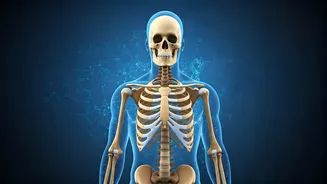
Talk to anyone deep in the wellness world, and you’ll hear the word 'longevity' more than ever. The goal is no longer just to live longer, but to live *better* for longer—to extend our 'healthspan,' not just our lifespan. Strength training is the undisputed MVP in this arena. After age 30, adults can lose 3-5% of their muscle mass per decade, a process called sarcopenia that accelerates vulnerability to falls and frailty. Resistance training is the single most effective tool we have to combat this. It does more than build muscle; it builds bone density, fighting off osteoporosis. It improves insulin sensitivity, helping to regulate blood sugar and metabolic health. By investing in strength now, people are future-proofing their independence, ensuring they remain capable and resilient well into their later years. This focus on aging gracefully and powerfully makes strength training a permanent fixture, not a fleeting fad.
A Heavyweight for Mental Health
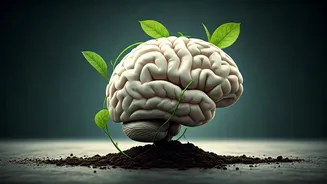
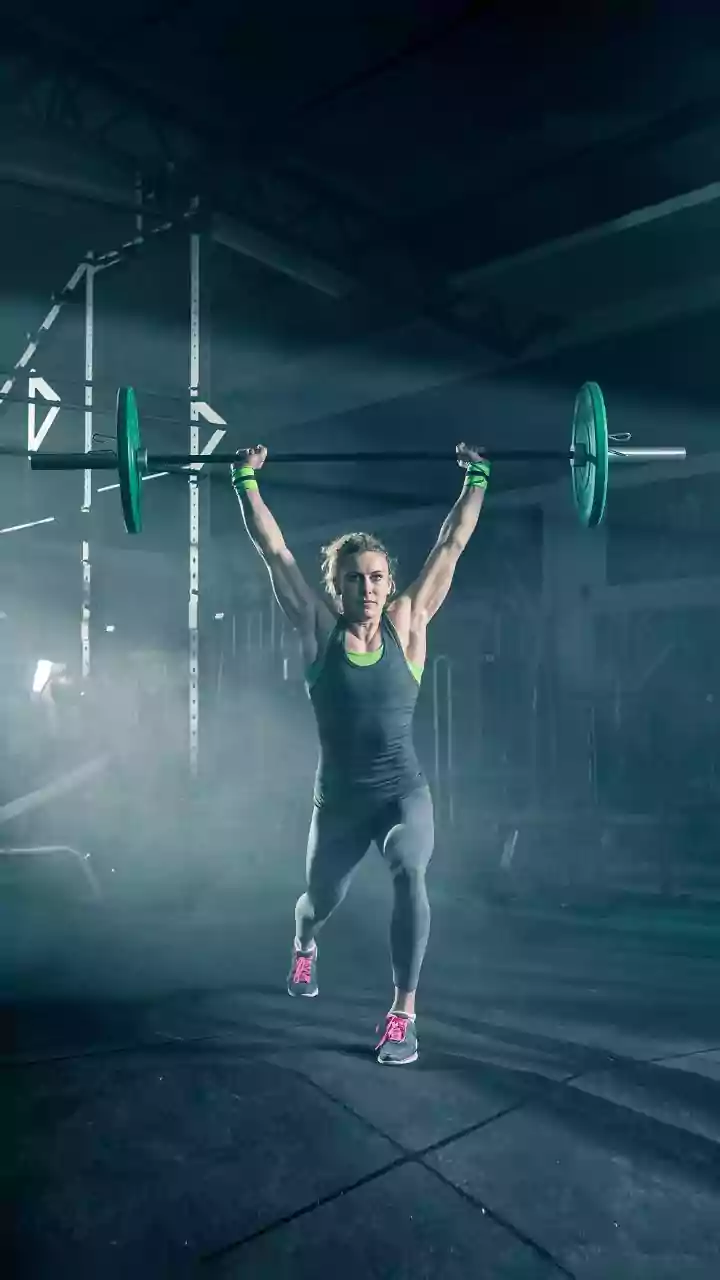
While the physical benefits are profound, the psychological impact is what often gets people hooked. In a world of constant digital noise and mental overload, a focused lifting session can be a form of active meditation. It requires a powerful mind-body connection, forcing you to be present and tune out distractions. There's a tangible sense of progress that is deeply rewarding—the feeling of adding another five pounds to the bar or mastering a new movement provides a concrete hit of accomplishment that’s often missing from our abstract, screen-based lives. Furthermore, the act of getting physically stronger has a direct correlation with building mental resilience and self-confidence. For many, especially women who have historically been steered away from the weight room, embracing strength training is an act of empowerment. It’s a physical manifestation of their own capability and power.
The New Definition of Strong
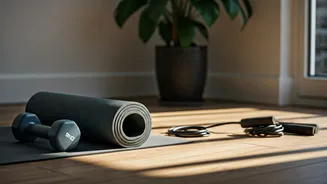
Perhaps the most visible sign of strength training’s reign is the cultural shift in what we deem aspirational. The 'strong is the new skinny' mantra has finally taken root. Social media feeds that were once dominated by waif-thin ideals are now filled with women proudly deadlifting, squatting, and celebrating their physical power. This isn't just an influencer trend; it reflects a broader societal movement. The accessibility of strength training has also broadened its appeal. You don't need a high-priced membership or complex machinery. A simple set of dumbbells, kettlebells, or even resistance bands at home can provide a highly effective workout. This democratization of strength has invited millions of new people into the fold, from busy parents to seniors to teens, all discovering that building strength is one of the most direct paths to a better quality of life.