





From Opulence to Openness
For decades, luxury was synonymous with accumulation. It was the velvet couch, the crystal chandelier, the room filled with impressive objects—a visual shorthand for wealth and status. But a significant cultural shift is underway, moving away from conspicuous
consumption and toward a more considered, soulful approach to living. This is the heart of the “quiet luxury” trend that has permeated fashion and, now, decisively, our homes. The new aspiration isn’t about demonstrating affluence through objects; it’s about curating an environment that provides a priceless feeling: tranquility. An airy home, with its emphasis on what’s left out rather than what’s put in, has become the physical manifestation of this new mindset. It’s a quiet rebellion against the noise, clutter, and constant stimulation of the digital age, offering a personal sanctuary where the mind can finally exhale.
The Architecture of Air
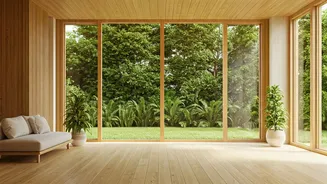
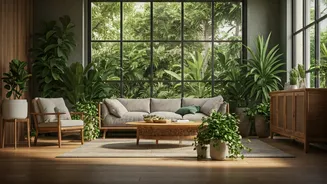
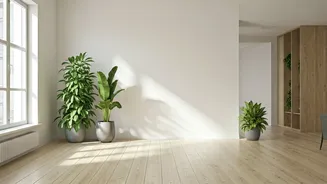
So what, exactly, makes a home “airy”? It begins with the bones of the space. Architects and designers achieve this feeling through several key principles. The most crucial is an abundance of natural light. Large, unadorned windows, skylights, and glass doors that blur the line between indoors and outdoors are fundamental. They not only illuminate the space but also create a powerful connection to the natural world, which is inherently calming. Volume is another critical component. High ceilings create a sense of vertical space that feels liberating, not confining. This is often paired with an open-concept floor plan, which allows light and energy to flow uninterrupted from one area to another. By removing unnecessary walls and visual barriers, the home feels expansive and unified. The goal isn’t just to make a room look bigger, but to foster a feeling of freedom and boundless possibility within its walls.
A Palette of Peace
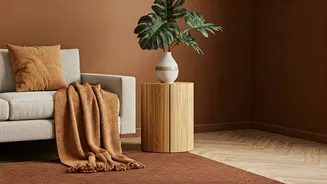
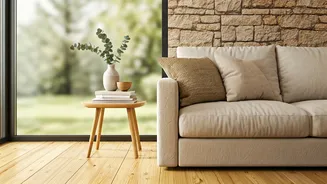
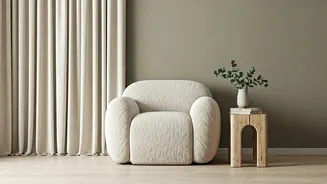
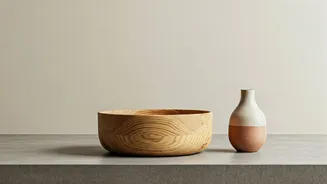
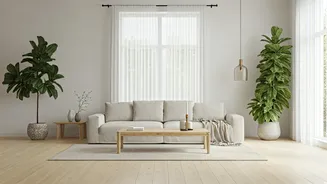
While architectural elements lay the foundation, the materials and colors used within the space are what truly cultivate the atmosphere of calm. An airy home is not stark or cold. Instead, it’s layered with texture and warmth, drawing its inspiration from nature. The palette is typically muted and earthy—think soft whites, warm beiges, gentle grays, and subtle greens. These colors recede, allowing the light and the inhabitants to be the focus. Materials are chosen for their organic, tactile qualities. You’ll find light-toned woods like white oak or ash, natural stone such as travertine or limestone, and soft textiles like linen, wool, and cotton. Furniture follows suit with clean lines and simple forms, chosen for both beauty and function. Every piece has a purpose and room to breathe. This intentional curation ensures the space remains uncluttered, allowing for visual rest and removing the low-grade stress that comes from living amongst too much stuff.
The Psychology of Space
The appeal of the airy home is more than just an aesthetic preference; it’s rooted in human psychology. Our environments have a profound impact on our mental and emotional well-being. Studies have long shown that exposure to natural light can boost mood and reduce anxiety. Similarly, clutter has been linked to increased levels of the stress hormone cortisol. An airy home directly counteracts these negative triggers. The visual simplicity reduces cognitive load, giving our overstimulated brains a much-needed break. The open space provides a sense of freedom, while the connection to nature grounds us. In this context, the home transforms from a mere shelter into a tool for wellness. It becomes an active participant in our self-care routine. The ultimate luxury, then, is not a possession but an experience: the peace of mind that comes from living in a space designed to soothe, restore, and inspire.