






The Evolution of the Office Kitchen
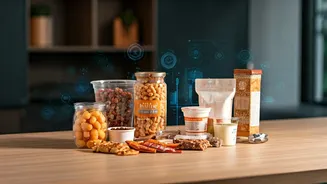
For decades, the office snack landscape was dominated by the humble vending machine—a transactional, impersonal appliance spitting out candy bars for loose change. Today, many corporate breakrooms have transformed into vibrant “micro-kitchens” or “pantries,”
stocked with a curated selection of fresh fruit, kombucha, cold brew, and healthy snacks. This shift wasn’t just about improving employee morale. It created a controlled environment where consumption could be tracked, managed, and, most importantly, analyzed. Companies like Crafty, Byte Foods, and LeanBox have built entire businesses around stocking and managing these pantries, and their core value proposition isn't just logistics; it's the data and insights they provide to their corporate clients.
How a Snack Becomes a Data Point
The magic lies in the technology mediating the transaction. Instead of cash, employees often use a company-provided app, a key card, or a payroll deduction system to “purchase” items, even if they're free. Smart refrigerators use weight sensors or RFID tags on products to automatically track what’s taken. This system allows for precise, real-time inventory management, but it also captures valuable metadata: which items are most popular, what time of day they’re consumed, and how quickly certain products run out. While most services emphasize that this data is aggregated and anonymized to protect individual privacy, it can still be segmented by floor, department, or time of day, painting a surprisingly detailed picture of workforce habits without ever needing to know a specific person’s name.
Decoding the Data Stream
What can a company really learn from what its employees are eating? A lot, it turns out. A sudden spike in coffee and energy drink consumption at 3 p.m. every day could signal a collective afternoon slump, pointing to potential workload or scheduling issues. A consistent preference for salads and yogurt over chips and cookies in the marketing department might suggest a different wellness culture than in the engineering department, where caffeinated sodas are the top choice. Are employees grabbing quick, high-sugar snacks, or are they opting for items that suggest they’re preparing for a workout after work? This data provides a raw, unfiltered look at daily rhythms, energy levels, and health-consciousness across the organization—insights that traditional surveys often fail to capture accurately.
From Analytics to Actionable Strategy
This is where snack data begins to genuinely change corporate health analytics. An HR department might use this information to justify investing in a new wellness initiative, such as mindfulness workshops to combat stress-related snacking or subsidized gym memberships. If data shows a high demand for healthier options, the company can double down on its wellness branding to attract talent. Conversely, if unhealthy items fly off the shelves, it might trigger a targeted internal campaign on nutrition. The data also has operational benefits, allowing facilities managers to reduce food waste by optimizing stock levels and tailoring offerings to actual demand, ultimately saving the company money while keeping employees happy. It transforms the corporate pantry from a cost center into a strategic tool for understanding and influencing company culture.
The Lingering Question of Privacy
Even with anonymized data, the trend raises important questions about the ever-expanding quantification of the workplace. While knowing which department loves kombucha is harmless, it exists on a continuum of employee monitoring that includes tracking keystrokes, analyzing email sentiment, and monitoring time spent on tasks. For employees, the convenience of a well-stocked kitchen may come with the subtle awareness that their collective habits are under a microscope. Companies must walk a fine line, using these insights to genuinely improve the work environment without fostering a culture of surveillance. The success of this new analytic tool depends on transparency and ensuring that the data is used to support employees, not just to measure them.