
A Labyrinth of Water and Life
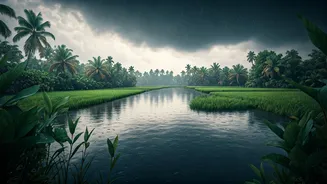
First, you have to understand what the Kerala backwaters actually are. Picture a sprawling, interconnected network of brackish lagoons, serene lakes, and palm-fringed canals stretching for hundreds of miles parallel to the Arabian Sea coast. This isn't
just a pretty waterway; it's the lifeblood of a region often called “God's Own Country.” For generations, these channels have served as highways for transporting goods, people, and culture. Tiny villages dot the banks, their residents living a life deeply intertwined with the water. Fishermen cast nets from slender canoes, children splash near the steps of their homes, and the slow, rhythmic pace is dictated by the gentle currents. It’s a world away from the frantic energy of India’s megacities—a tranquil, self-contained ecosystem that already feels like a dream.
The Arrival of the Monsoon
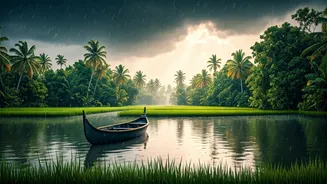
Then, usually around the first week of June, everything changes. The southwest monsoon doesn’t just arrive in Kerala; it announces itself. The air grows heavy, the skies darken to a dramatic, bruised purple, and then the downpour begins. This isn’t a fleeting shower. It’s a steady, percussive, and life-affirming deluge that can last for hours. Far from being a gloomy affair, the monsoon is a celebration. It breaks the intense heat of the preceding months and signals a period of renewal and rebirth. The sound of rain drumming on banana leaves and thatched roofs becomes the region's soundtrack, a constant, soothing rhythm that forces the world to slow down even further. For Keralites, the monsoon is a blessing that replenishes the earth, and for a traveler, it’s a spectacle of nature at its most powerful and poetic.
A World Washed Anew
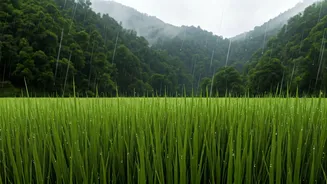
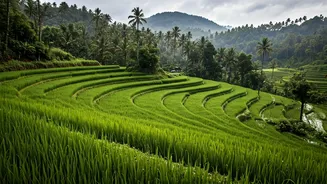
The visual transformation is staggering. The dust of the dry season is washed away, revealing a landscape saturated with color. The paddy fields and palm groves glow with an almost fluorescent, emerald green. The air becomes crisp, clean, and fragrant with the smell of wet earth and blooming flowers. The water levels in the canals rise, bringing life right to the doorsteps of the villages. This is the “peak scenic vibe” the headlines hint at. It’s a multi-sensory experience. It’s watching curtains of rain sweep across a vast lake from the shelter of a veranda. It’s the sight of a kingfisher, its blue feathers electric against a grey sky, diving for a fish in the revitalized waters. Everything feels clean, vital, and intensely alive. This isn't the melancholy of a dreary, drizzly day; it's the profound beauty of a world being rejuvenated in real time.
Drifting Through the Dreamscape
The ultimate way to experience this transformation is aboard a *kettuvallam*, the iconic Keralan houseboat. These converted rice barges, traditionally made of wood and coir rope, are now floating boutique hotels. Gliding slowly through the rain-soaked backwaters on one is the heart of the monsoon journey. You can sit on the covered deck, a cup of hot chai in hand, and watch the lush scenery drift by. The houseboat crew navigates the labyrinthine channels while a chef prepares exquisite local cuisine—think fresh fish curry with coconut, spicy thorans (vegetable stir-fries), and fluffy appam (rice pancakes). The experience is a potent combination of comfort and immersion. You are completely enveloped by the monsoon’s atmosphere—the sounds, the sights, the smells—while remaining perfectly dry and cozy, witnessing a landscape at the absolute height of its dramatic beauty.