



The End of Hustle-Culture Fitness
For decades, the prevailing fitness ethos was one of relentless punishment. We were told to push through the pain, that soreness was a badge of honor, and that rest days were for the weak. But that mindset is finally being challenged, thanks to a convergence
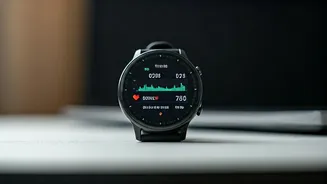
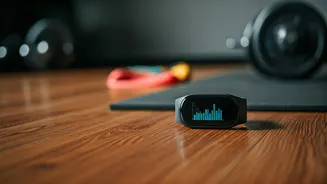
of sports science, professional athlete influence, and consumer technology. We’ve watched superstars like LeBron James and Tom Brady invest millions in preserving their bodies, normalizing the idea that longevity requires maintenance, not just constant output. Simultaneously, the explosion of wearable tech like Whoop straps and Oura rings has given everyday athletes access to data on sleep quality, heart rate variability, and daily strain. The message from this data is often simple but profound: without adequate recovery, your performance will suffer, and your risk of injury will rise. This isn't about being lazy; it's about being strategic. The new fitness goal is not just to survive your workout, but to thrive because of it.
Recovery Isn't Just Sitting Around
When people hear “recovery,” many still picture a full day spent on the couch. That’s passive recovery, and while it has its place, the real game-changer is *active* recovery. Think of it as a gentle, purposeful cool-down for your entire system. When you exercise intensely, you create microscopic tears in your muscle fibers and accumulate metabolic waste products like lactic acid. Active recovery—which can include low-intensity activities like walking, gentle yoga, swimming, or light cycling—helps accelerate the repair process. It increases blood flow to your muscles, which delivers oxygen and nutrients needed for rebuilding while simultaneously helping to flush out waste products. This can reduce delayed onset muscle soreness (DOMS), improve flexibility, and prepare your body for its next big effort far more effectively than complete stillness. The goal is to move without causing additional stress, facilitating your body’s natural healing mechanisms.
First, Master the Basics
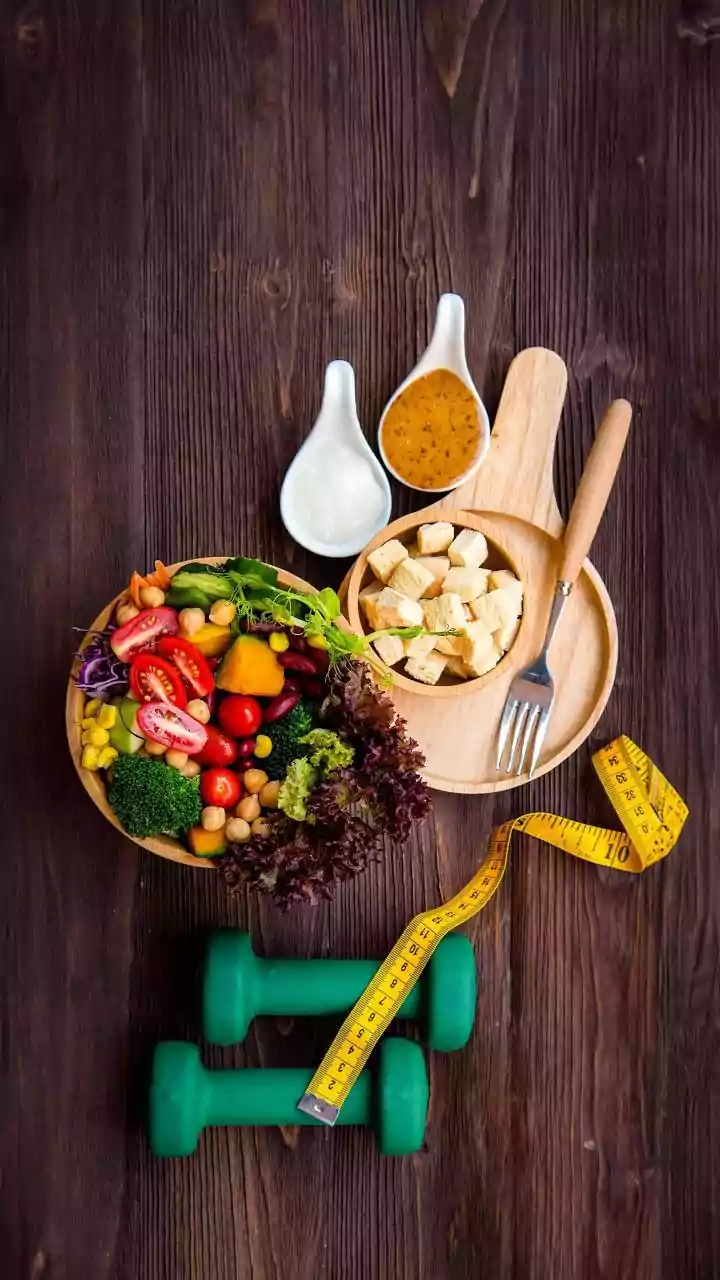
Before you spend a dollar on a fancy gadget, it’s crucial to nail the two pillars of recovery that are both free and non-negotiable: sleep and nutrition. Sleep is when the magic truly happens. During deep sleep, your body releases human growth hormone, which is essential for repairing and rebuilding muscle tissue. Consistently skimping on sleep is like asking a construction crew to rebuild a wall with no bricks. Aim for 7-9 hours of quality sleep per night. Similarly, what you eat post-workout provides the raw materials for repair. Consuming a combination of protein and carbohydrates within a couple of hours of exercising helps replenish depleted glycogen stores (your muscles’ fuel) and provides the amino acids necessary to mend those muscle fibers. A simple protein shake, a plate of chicken and rice, or even a cup of Greek yogurt can make a significant difference. Without these fundamentals in place, all the foam rollers and massage guns in the world are just a temporary fix.
The Tools of the Trade
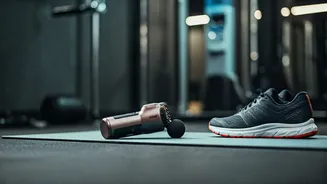
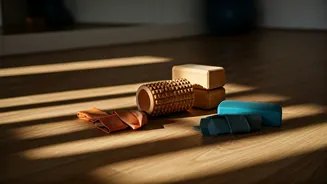
Once your foundation is solid, a booming market of recovery tools can help enhance the process. Think of these as targeted assists. Foam rollers and massage guns use pressure and vibration to release tight knots in muscles and fascia, a technique known as self-myofascial release. This can improve range of motion and ease soreness. Compression boots use inflating air pockets to squeeze your legs in sequence, mimicking the muscle pump of light exercise to improve circulation. And then there’s the world of temperature therapy. Cold plunges and ice baths are thought to reduce inflammation and numb sore muscles, while saunas can increase blood flow and promote relaxation. The key is to see these tools not as magic wands but as supplements to a smart recovery strategy. They don’t replace rest; they make your rest more effective.