






The Tyranny of the Perfect Trip
For years, the American vacation has been an exercise in optimization. It was a project to be managed, complete with itineraries packed tighter than a carry-on, budget trackers, and a relentless pressure to capture and broadcast every perfectly curated
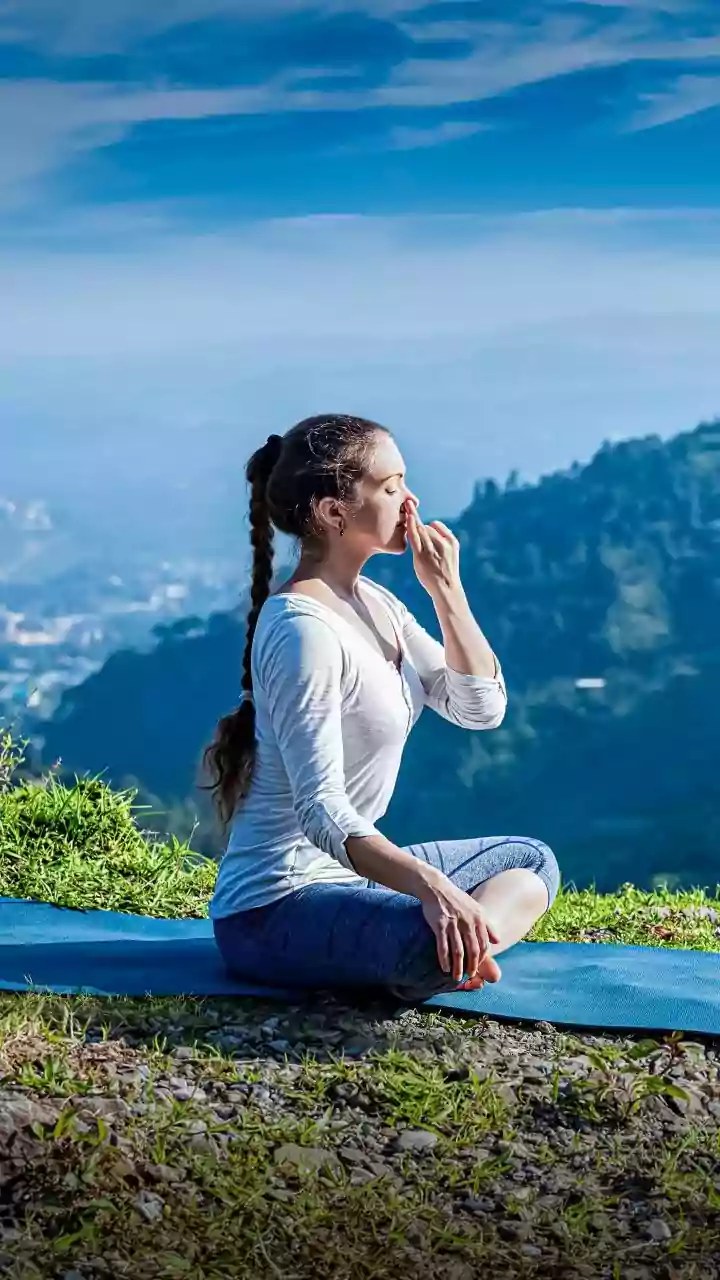
moment. The goal wasn't just to rest; it was to perform restfulness. From the sunrise yoga pose on a cliffside to the meticulously plated farm-to-table dinner, every activity felt geared toward an eventual social media post, a story to tell that proved you were living your best life. But the cracks in this model have been showing for a while. The sheer exhaustion of planning, booking, and executing these trips often outweighs the benefits. Factor in rising travel costs, chaotic airports, and the lingering burnout from a culture that demands constant productivity, and the appeal of the high-stakes, high-stress getaway begins to crumble. We were trying to apply the logic of our work lives—efficiency, metrics, and deliverables—to our time off, and it was making us miserable.
Enter the 'Cloudy Weekend'
The 'cloudy weekend' isn’t about the weather; it’s about the mindset. It’s the intentional choice to have no plan. It’s permission to wake up without an alarm, read a book until noon, take a long walk to nowhere in particular, or simply sit on the couch and stare out the window. It’s the antithesis of the overplanned vacation. There are no reservations to make, no tickets to buy, no sights to see. The only thing on the agenda is to decompress. This isn't just a glorified staycation, which often becomes a weekend of catching up on errands and home repairs. The cloudy weekend is protected time. It’s about reclaiming leisure as an act of non-production. It's about finding joy in the small, the quiet, and the unplanned—a pot of coffee, a forgotten movie, a conversation that isn’t rushed. It’s the radical act of being present in your own life without a to-do list attached.
A Backlash Against Burnout Culture
This shift is a direct response to a decade of hustle culture. We've been told to optimize our mornings, bio-hack our bodies, and monetize our hobbies. It was only a matter of time before that same ethos infected our vacations. The rise of the cloudy weekend represents a collective exhaustion with this way of life. It’s a quiet but firm rejection of the idea that even our rest needs to be productive or impressive. In a post-pandemic world where the lines between work and home have blurred into nonexistence for many, carving out truly empty space has become a psychological necessity. People are discovering that the deepest form of rest doesn’t come from a change of scenery, but from a change of pace. It comes from shedding the mental load of planning, deciding, and performing. This isn't laziness; it's a strategic retreat and a vital form of self-preservation in an always-on world.
Finding the Joy of Missing Out
For so long, Fear of Missing Out (FOMO) drove our decisions. We booked the trip because we saw it on Instagram. We said yes to the dinner party because we didn't want to be left out. The cloudy weekend is powered by its more enlightened cousin: the Joy of Missing Out (JOMO). It's the relief and contentment that come from embracing a quiet night in, knowing that you’ve chosen what you truly need over what you think you *should* be doing. Embracing this new model of rest requires a conscious rewiring of our brains. We have to unlearn the guilt associated with doing nothing. We have to see a blank calendar not as a failure, but as an opportunity. It’s about understanding that a weekend with nothing to show for it—no photo album, no new stamp in your passport—might be the most valuable weekend of all.