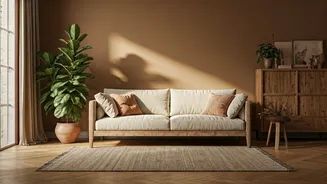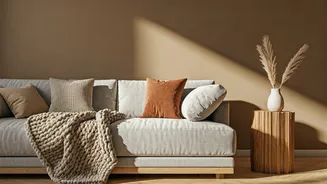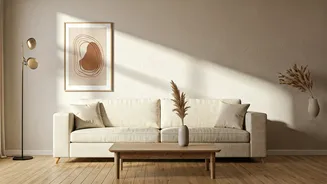


What is Warm Minimalism?
At its heart, warm minimalism is a response to the often cold, impersonal feel of traditional minimalism. While it shares the same core principle of “less is more,” it redefines “more” not as a collection of expensive, hard-edged designer objects, but
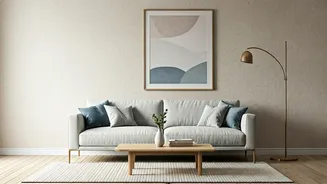
as an infusion of comfort, texture, and personality. Think of it as the intersection of Scandinavian coziness (hygge) and Japanese simplicity (wabi-sabi), adapted for modern American life. Unlike its predecessor, which prioritized empty space and sleek surfaces above all, warm minimalism invites you to fill your home with items that are both beautiful and meaningful. It’s a curated, intentional approach that values quality over quantity, comfort over clinical perfection. The goal isn’t to live in a gallery but to create a sanctuary—a calm, uncluttered backdrop for a well-lived life. It’s about stripping away the non-essential to make room for what truly matters: light, nature, and a profound sense of peace.
Embrace Soft, Natural Linens
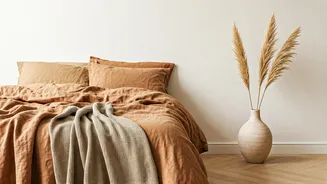
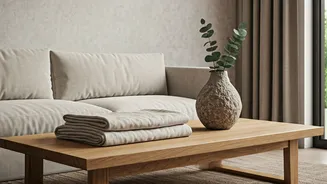
The fastest way to inject warmth into a minimalist space is through textiles. Forget shiny, synthetic fabrics. Warm minimalism is built on a foundation of soft, touchable, natural materials that feel as good as they look. Linen is the undisputed star here. Its naturally rumpled texture adds a layer of effortless sophistication and visual softness to a bedroom or living area. A set of linen sheets, a loosely draped linen tablecloth, or simple linen curtains immediately signal a relaxed, lived-in atmosphere. Beyond linen, look for other natural fibers. A chunky wool throw tossed over the arm of a sofa, a soft cotton quilt folded at the foot of a bed, or a plush, high-pile wool rug underfoot can transform the acoustics and feel of a room. These textiles absorb sound, add tactile dimension, and break up the monotony of flat surfaces. When choosing, prioritize texture over pattern. The subtle weave of a fabric or the knit of a blanket provides all the visual interest you need.
Layer Muted Earth Tones
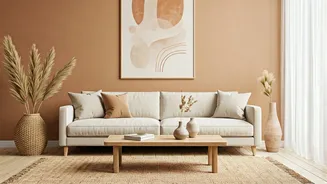
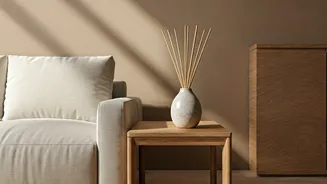
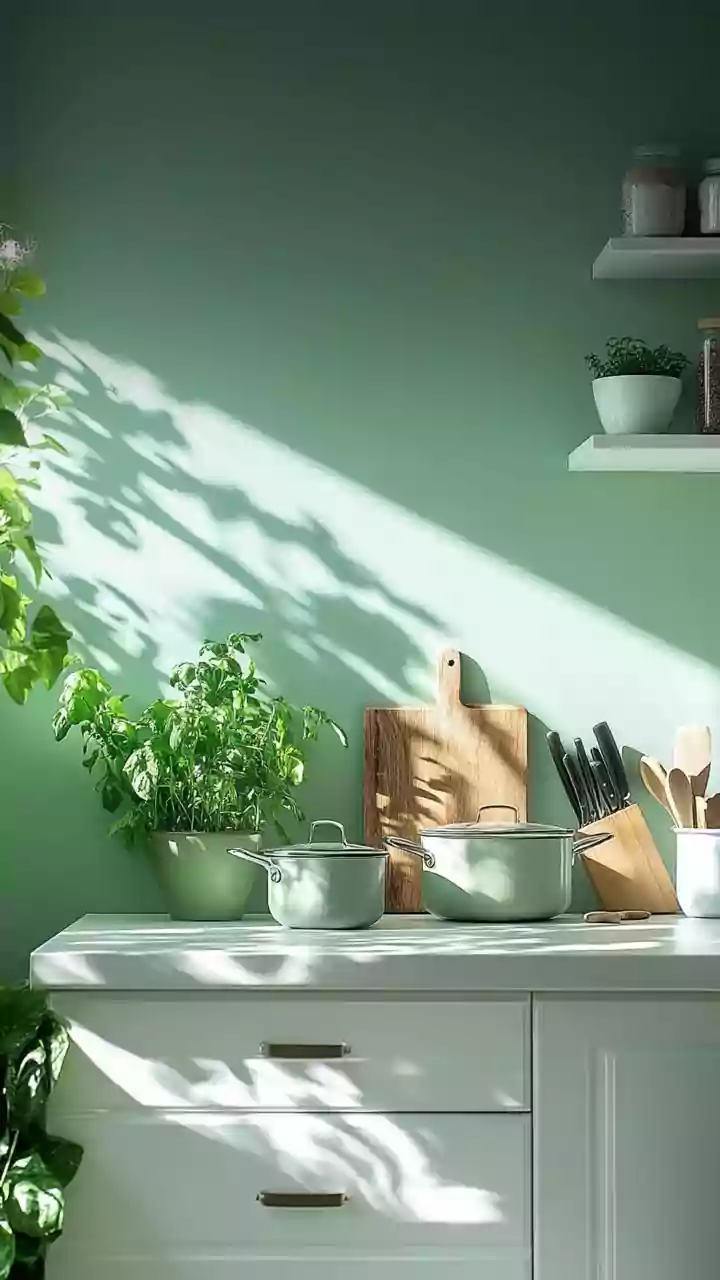
The color palette is where warm minimalism truly distinguishes itself from its colder cousin. While traditional minimalism often relies on a stark black-and-white scheme, warm minimalism draws its inspiration from the natural world. The palette is soft, muted, and deeply calming. Start with a base of warm whites (think ivory or alabaster, not hospital white), creamy beiges, and soft grays. These create a bright and airy foundation. From there, layer in an array of sophisticated earth tones. Consider the dusty pink of terracotta, the gentle green of sage or moss, the sandy warmth of oatmeal, or the deep, grounding feel of charcoal or clay. The key is to keep the colors low in saturation—soft and dusty rather than bright and bold. This creates a cohesive, harmonious environment where no single element shouts for attention. The result is a space that feels serene and enveloping, like a gentle embrace.
Incorporate Organic Materials and Shapes
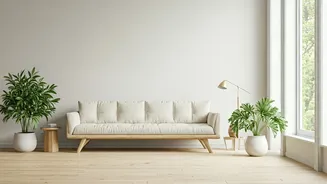
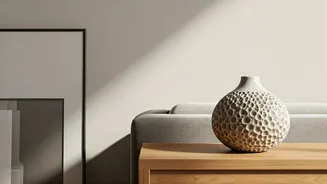
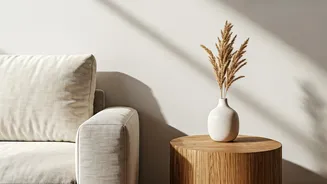
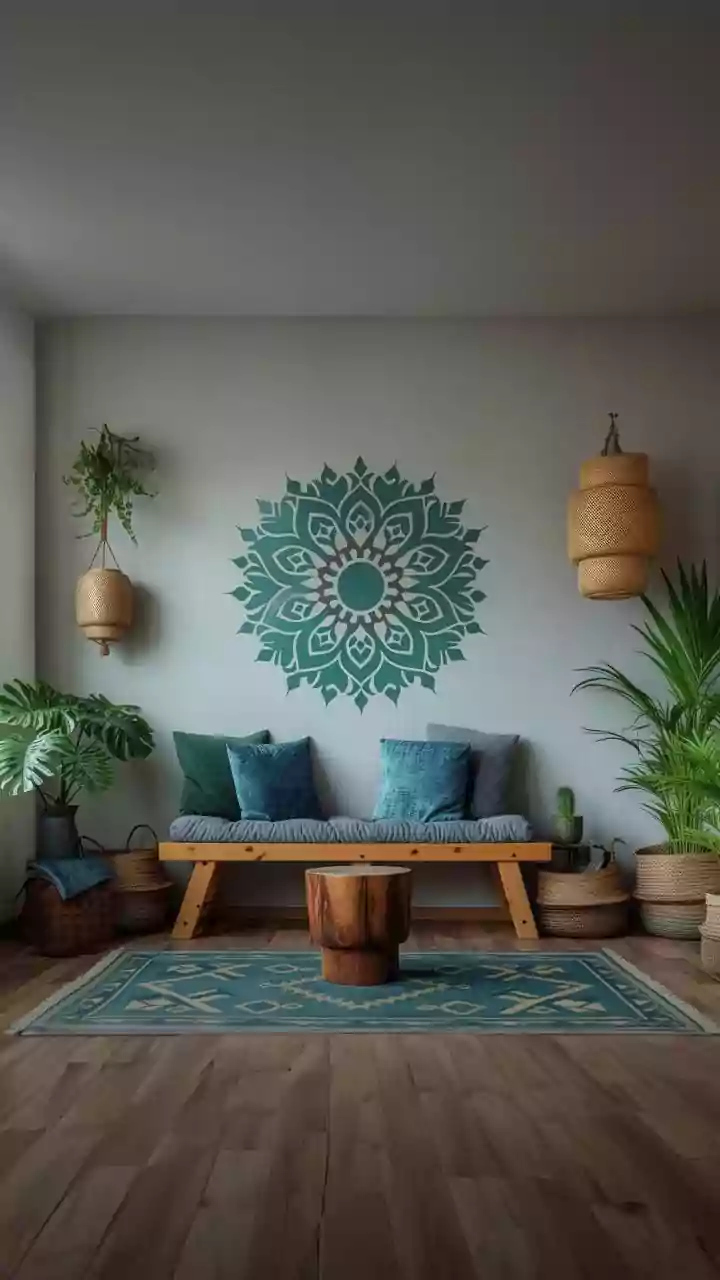
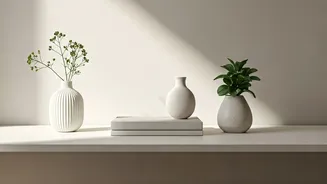
Hard lines and sharp angles are softened in a warm minimalist home. Instead, the focus shifts to organic materials and forms that connect the space to nature. Wood is essential, but opt for lighter tones like white oak, ash, or maple, often with a natural, matte finish that showcases the grain. A simple wooden dining table, a sculptural side chair, or even a stack of art books on a reclaimed wood bench can serve as a warm, functional focal point. Extend this philosophy to other objects. Rattan, cane, and jute add texture and a handcrafted feel through lighting fixtures, chair backs, or area rugs. Look for handmade ceramics—a slightly imperfect vase, a set of stoneware mugs—that show the artist's touch. Even stone can be warm when it's honed and matte, like a travertine coffee table or a soapstone accessory. Don't forget the easiest organic element of all: plants. A fiddle-leaf fig in a corner or a simple sprig of eucalyptus in a vase brings life, color, and a vital connection to the outdoors into your home.