



The Thirst Before the Storm
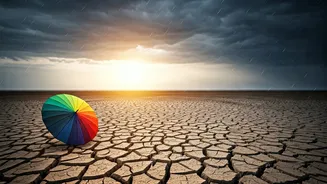
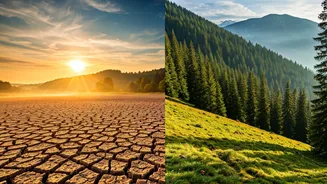
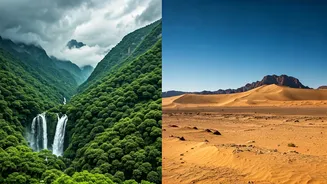
To understand the joy, you first have to understand the heat. Before the monsoon arrives in late May or early June, Goa—a small state on India’s western coast known for its sun-drenched beaches—bakes under a relentless, humid sun. The vibrant green landscape
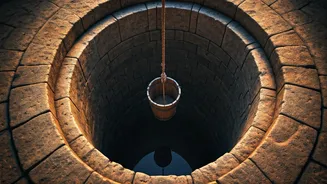
turns a parched brown. Rivers recede, wells run low, and life slows to the pace of shade-seeking and conservation. This period of intense heat and dryness, known as the Konkan summer, creates a deep, collective yearning for relief. The arrival of the monsoon isn't just a change in weather; it's a profound, life-giving event that the entire ecosystem, and its people, have been desperately awaiting. The first dark clouds gathering on the horizon are a cause for celebration, and the first drops of rain are met not with annoyance, but with a collective sigh of relief that quickly turns to elation.
The Festival of Sao Joao
The most vivid expression of this monsoon joy is the festival of Sao Joao, celebrated on June 24th. Dedicated to St. John the Baptist, who leaped with joy in his mother’s womb, the festival is a uniquely Goan Christian tradition infused with local, pre-Christian customs. While a church service might start the day, the real heart of Sao Joao is wildly different. Groups of young men, often wearing crowns of flowers and leaves called ‘kopels,’ roam from house to house, singing traditional songs. The climax of the ritual involves them leaping into overflowing wells, streams, and ponds. It’s a symbolic act of baptism, a madcap plunge into the abundance of the season. This isn't a solemn affair; it’s a raucous, community-wide party fueled by laughter, music, and Feni, a potent local spirit. For visitors, it’s a startling and beautiful sight: a community literally immersing itself in the joy of the rains.
A Symphony of Rebirth
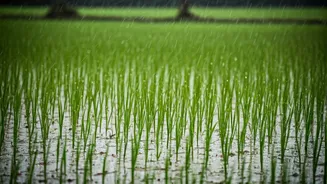
Singing is the soul of these celebrations. The songs, known as ‘mandos,’ are often impromptu, telling tales of love, nature, and the sheer delight of the season. They are accompanied by traditional instruments like the ‘ghumot,’ an earthenware drum that provides a rhythmic, earthy heartbeat to the festivities. Singing in the rain isn't just about making noise; it’s a form of collective prayer and thanksgiving. It’s a way to harmonize with the rhythm of the monsoon itself—the drumming of the rain, the rush of the wind, and the gurgle of newly revived streams. The act of singing, with faces turned to the sky, is an act of pure, uninhibited release. It’s a casting off of the oppressive heat of the summer and an embrace of the fertility and new life the rains promise for the paddy fields and forests.
Beyond the Festival
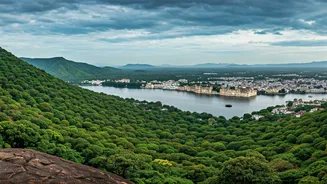
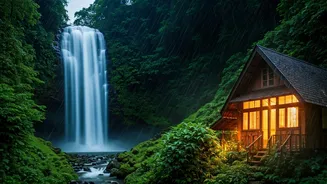
This embrace of the monsoon extends far beyond a single festival. The entire season, which lasts until September, transforms Goan life. The tourist crowds thin out, and a quieter, more local rhythm takes over. The landscape explodes into an almost fluorescent green. The air is filled with the smell of wet earth and blooming flowers. It's a time for enjoying seasonal delicacies, like roasted corn on the cob and spicy pakoras (fritters) with hot tea, which taste infinitely better when eaten while watching the downpour. For Goans, the monsoon is a time for introspection, for family, and for reconnecting with the land. The act of singing in the rain, whether during Sao Joao or on any random Tuesday, is the perfect emblem of this relationship: a joyful, defiant, and deeply rooted celebration of a climate that many outsiders might see as an inconvenience, but which locals know is the very source of life.