
The Conscientious Plate
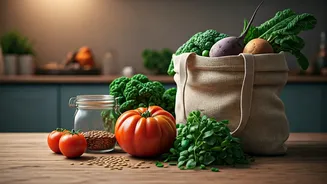
The first major shift is from passive consumer to active food citizen. Diners are increasingly asking not just *what* is on their plate, but *how* it got there. This is the rise of the conscientious plate, where ethics and environmental impact are as important
as seasoning. By 2026, menus and packaging will more commonly feature information about carbon footprints, water usage, and regenerative agriculture practices. We're already seeing this with QR codes on coffee bags that trace beans back to the specific co-op that grew them, and restaurant menus that name-check the local farms supplying their greens. This isn't just a niche concern for coastal elites; it's a value system filtering down into fast-casual chains and supermarket aisles, driven by a generation that views purchasing power as a form of activism.
Food as Functional Fuel
The wellness boom has officially merged with our meal plans. The question is no longer just 'Is this healthy?' but 'What can this food *do* for me?' This is the principle behind functional foods—ingredients prized for their health benefits beyond basic nutrition. Think turmeric for its anti-inflammatory properties, mushrooms like lion's mane for cognitive support, or probiotics for gut health. This trend moves beyond generic 'superfoods' toward personalized nutrition. Expect to see more products fortified with adaptogens to manage stress or boasting ingredients that support sleep. The 2026 plate isn't just for satiating hunger; it's a tool for optimizing our physical and mental well-being, turning every meal into a strategic health choice.
The Narrative-Driven Meal
In a crowded market, a good story is the ultimate differentiator. We don't just buy food anymore; we buy into a narrative. Is this jam made from a fourth-generation family recipe? Was this bread baked by a company with a social mission to hire formerly incarcerated individuals? The story behind the food adds a layer of value that taste alone cannot provide. This is about provenance and authenticity. It’s why “heritage-breed pork” sounds more appealing than just “pork,” and why a cheese described as “aged in the caves of a Vermont creamery” commands a higher price. This emotional connection makes the food taste better, or at least, makes us *feel* better about eating it. Brands and chefs are becoming storytellers, and the menu is their script.
The Camera Eats First
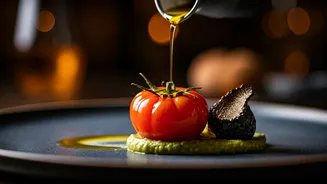
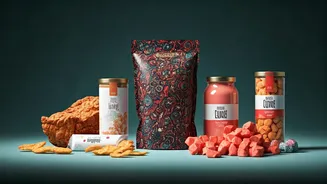
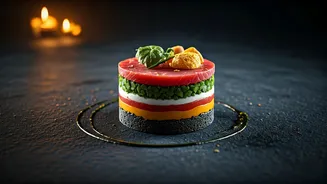
While it may seem superficial, the visual appeal of food has never been more critical. In the age of Instagram and TikTok, we consume food with our eyes long before it reaches our mouths. A dish that isn't photogenic or a product that doesn't look appealing on a shelf is at a significant disadvantage. This has led to a surge in vibrant, colorful ingredients (like ube and butterfly pea flower), meticulous plating, and packaging designed for the perfect 'unboxing' experience. But this isn't just about vanity. A visually stunning dish communicates care, quality, and creativity. It suggests that if a chef took this much time to make it look beautiful, it must also taste incredible. In 2026, a meal that doesn’t translate well to a social media feed is a missed marketing opportunity, making aesthetics a core component of the dining experience itself.