





It’s Clogged with Buildup
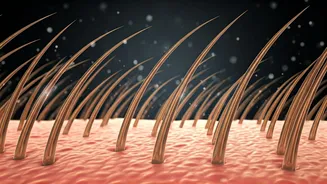
Think of your scalp like the soil in a garden. If it’s covered in debris, new growth struggles. Over time, a combination of natural oils (sebum), dead skin cells, and residue from styling products like dry shampoo, hairspray, and gels can form a stubborn
layer on your scalp. This buildup can suffocate hair follicles, leading to inflammation and potentially hindering the growth of strong, healthy hair. A clogged follicle isn't a healthy one, and this constant state of low-grade stress can sometimes disrupt the hair growth cycle, leading to increased shedding. A clarifying shampoo used intermittently (perhaps once a week or every few weeks, depending on your hair type) can help break down this residue without stripping your scalp of its necessary natural oils.
It's Irritated and Inflamed
An angry scalp is not a productive one. Redness, itchiness, and persistent flaking are all signs of inflammation. This can be caused by a range of issues, from common dandruff (seborrheic dermatitis) and sensitivity to hair care ingredients, to more chronic conditions like psoriasis or eczema. Inflammation is the body's response to an irritant, and when it happens on the scalp, it creates a hostile environment for hair follicles. The inflammatory process can directly damage follicles or shorten the hair's growth phase, pushing it into the shedding phase (telogen phase) prematurely. Pay attention to how your scalp feels. If it's constantly itchy or sensitive, you might be reacting to a fragrance, sulfate, or another ingredient in your routine.
It's Dehydrated or Overproducing Oil
Balance is everything. A scalp that’s too dry can become tight, flaky, and itchy, creating a brittle and unhealthy environment for hair to grow. The skin may crack on a microscopic level, leaving it vulnerable to irritation. On the other end of the spectrum, an overly oily scalp can be a breeding ground for the yeast that contributes to dandruff and can also lead to the pore-clogging buildup mentioned earlier. Often, an oily scalp is actually a dehydrated scalp in disguise; the skin overproduces sebum to compensate for a lack of moisture. Using harsh, stripping shampoos can exacerbate this cycle. Look for gentle, hydrating shampoos and consider conditioners or serums formulated specifically for scalp health to restore a healthy moisture balance.
It Lacks Proper Circulation
Your hair follicles need a steady supply of oxygen and nutrient-rich blood to thrive. Poor circulation to the scalp means your follicles are not getting the essential building blocks they need to produce strong, resilient hair. Factors like stress, neck tension, and lack of physical activity can all compromise blood flow. This is where the simple act of a scalp massage comes in. Spending just a few minutes each day gently massaging your scalp with your fingertips can help stimulate blood vessels, improve nutrient delivery, and reduce tension. It’s a relaxing ritual that not only feels good but actively supports the biological processes necessary for a healthy growth cycle.
It's Feeling Your Stress
The mind-body connection is real, and it extends all the way to your hair. Periods of high physical or emotional stress can trigger a common type of hair shedding called telogen effluvium. During a stressful event, the body can shift a large number of hair follicles from the growing phase into the resting (telogen) phase. A few months later, you may experience a noticeable increase in shedding as all those hairs fall out at once. While this type of hair loss is usually temporary, chronic stress can keep your body—and your scalp—in a constant state of emergency, disrupting normal functions, including healthy hair growth. Managing stress through exercise, mindfulness, and adequate sleep is as much a part of a healthy hair routine as any shampoo or serum.