




More Than Just a Calendar Date
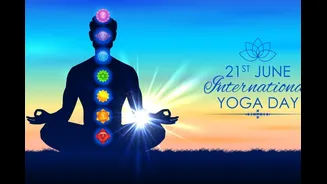
First, what even is Yoga Day? Officially recognized by the United Nations in 2014, the International Day of Yoga is celebrated annually on June 21st, coinciding with the summer solstice in the Northern Hemisphere. The date is symbolic, representing light,
new beginnings, and the longest day of the year. The initiative, spearheaded by India, was adopted by the UN General Assembly with overwhelming support from 177 member states. Its stated aim is to raise awareness worldwide of the many benefits of practicing yoga. It’s not just a promotional event; it’s a global acknowledgment of a practice that unites mind, body, and spirit, promoting a message of peace and harmony that seems to resonate more each year.
The Great American Embrace
While yoga’s roots are ancient and Eastern, its modern expression is profoundly American. The U.S. is home to an estimated 36 million practitioners, and the industry surrounding it—studios, apparel, retreats, apps—is a multi-billion dollar affair. The “buzz” around Yoga Day in America is a direct result of this deep integration. For many, yoga is no longer an exotic, niche activity. It’s a foundational part of the modern wellness toolkit, sitting alongside therapy, jogging, and organic kale. It has become the go-to antidote for a culture grappling with burnout, anxiety, and the constant hum of digital distraction. Yoga offers a socially acceptable, non-denominational space to be quiet, to focus inward, and to move one's body with intention—a rare combination in today’s fast-paced world.
From Times Square to Your Town Square
The most visible symbol of this buzz is the massive annual gathering in Times Square, where thousands of yogis roll out their mats for a day-long solstice celebration amid the neon glow of billboards. It’s a striking, almost surreal image: a sea of tranquility in the heart of urban chaos. But the real story is how this energy ripples outward. The buzz isn’t just in New York. It’s in the free classes being offered in public parks in cities like Chicago and Austin. It’s in the special workshops hosted by local studios in suburban strip malls. It’s in the digital events that allow people from rural areas to participate from their living rooms. This decentralized, grassroots enthusiasm is what transforms Yoga Day from a UN-designated observance into a genuine, nationwide cultural event.
Beyond the Physical Poses
Perhaps the biggest reason for the growing excitement is that the American understanding of yoga has matured. The conversation has shifted from a narrow focus on pretzel-like poses and physical fitness to a broader appreciation for its mental and emotional benefits. Today’s buzz is less about achieving the perfect headstand and more about finding a moment of peace. Practitioners and teachers alike increasingly emphasize yoga as a tool for stress reduction, mental clarity, and emotional regulation. This evolution has made the practice more inclusive and accessible. You don't have to be flexible, young, or athletic to benefit. You just have to be willing to breathe. This shift explains why everyone from corporate executives to grade-school students to seniors is finding value in the practice, fueling the celebration each June.