



The Other Side of Paradise
For most American travelers, Goa conjures images of palm-fringed beaches, yoga retreats, and all-night parties under a dry, starry sky. That Goa certainly exists, primarily from November to February. But when the first rains of the monsoon arrive in June,
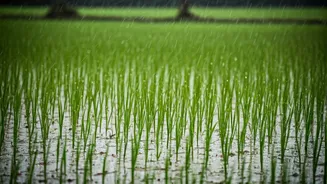
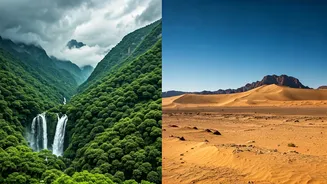
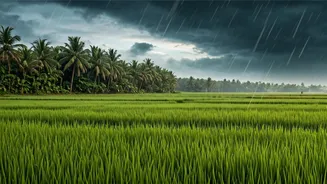
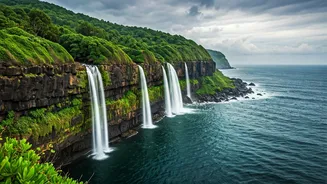
a different, more enchanting Goa emerges. The heat breaks, the dust settles, and the landscape explodes into a riot of impossible greens. The air fills with the smell of wet earth and blossoming flowers. This isn't the Goa of tourist brochures; it's the Goa of locals, a time of renewal, community, and deeply rooted celebrations that are intrinsically tied to the life-giving rain.
São João: A Joyful Leap of Faith
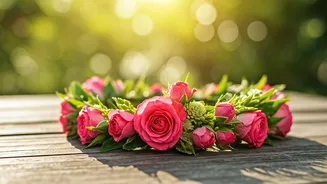
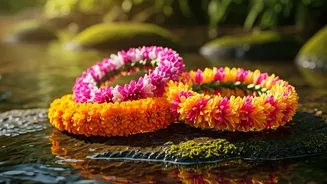
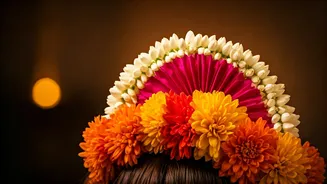
Nowhere is this spirit more alive than during São João, the festival of St. John the Baptist, held on June 24th. This is not a somber church affair. All over Goa, villages erupt in a joyous, slightly wild celebration centered around water. Men and boys, wearing crowns of flowers and leaves called 'kopels,' take running leaps into overflowing wells, streams, and ponds. The act commemorates St. John leaping for joy in his mother's womb. It's a cathartic, thrilling spectacle of pure abandon. You’ll hear the festival cry, "Viva São João!" as groups parade through villages, sharing fruit, sweets, and shots of local feni (a potent cashew or coconut spirit). It's a day of collective baptism, a washing away of the old and a welcome to the new season of abundance.
Bonderam: A Festive Mock Rebellion
If São João is about spiritual exuberance, the Bonderam festival is about playful defiance. Held on the picturesque island of Divar on the fourth Saturday of August, this unique festival has its roots in colonial-era land disputes. Villagers from different wards once clashed over property boundaries, leading Portuguese authorities to put up flags to demarcate the lines. The locals, in protest, would knock down the flags. This history is now re-enacted in a colorful, noisy parade. Intricately designed floats and brightly colored flags move through the streets, accompanied by brass bands. The highlight is a mock fight where participants use peashooters made of bamboo (fotash) and berries as pellets. It’s a wonderfully bizarre, high-energy event that transforms a history of conflict into a day of communal fun.
A Feast for the Senses
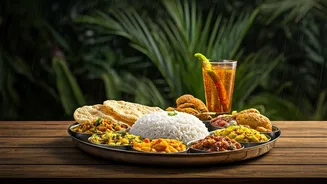
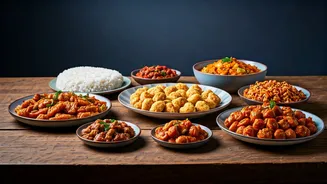
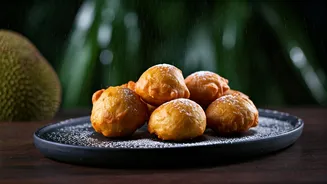
Goan monsoon culture is as much about taste as it is about sight and sound. This is the season for specific culinary delights that don’t always feature on tourist menus. The star of the show is the patoleo, a sweet treat made of rice paste, fresh coconut, and jaggery, stuffed into a turmeric leaf and steamed. The aroma of the steaming leaves is the signature scent of many Goan homes during the monsoon festivals. It’s a time for hearty fish curries made with the fresh catch brought in by the rains, and for savoring seasonal vegetables that thrive in the wet climate. And, of course, there’s always feni, the fiery local spirit that warms the body and fuels the festive spirit.
Embracing the Spirit of 'Susegad'
Ultimately, experiencing Goa's wet festive culture is to understand 'susegad'—a uniquely Goan concept that roughly translates to a relaxed, contented, laid-back attitude towards life. The monsoon forces a slower pace. You can't rush; you have to wait for the rain to pass. This period fosters a powerful sense of community. Festivals are not spectator sports; they are participatory events where neighbors come together, share food, sing, and celebrate the shared rhythm of the season. It’s an antidote to our hyper-scheduled lives, a reminder of the joy found in simple, collective experience.