





The Price of Progress
To understand India's fitness boom, you first have to understand the problem it’s solving. For decades, India has been on a trajectory of breathtaking economic growth. Millions have been lifted out of poverty, cities have expanded into gleaming metropolises,
and a new middle class has emerged with disposable income and new aspirations. But this progress came with a hidden cost, one familiar to many Americans: a shift in lifestyle. Diets changed, incorporating more processed foods and sugar. Hectic urban schedules and long commutes replaced more active, agrarian lifestyles. The result was a slow-burning public health crisis. The World Health Organization has flagged India as a hotspot for non-communicable diseases (NCDs). Rates of type 2 diabetes, hypertension, and heart disease have soared, particularly among urban populations under 50. It was a classic paradox of modernity: the very success that brought prosperity was also making people sick.
An Unexpected Catalyst
The COVID-19 pandemic, for all its devastation, acted as a national inflection point. As lockdowns swept across the country, two things happened simultaneously. First, gyms and fitness centers shuttered, cutting off the primary avenue for exercise for those who used them. Second, the virus created a surge in health consciousness. Suddenly, the abstract threat of future illness became an immediate concern about immunity and respiratory health. People were stuck at home, worried about their well-being, and disconnected from their usual routines. This created a perfect vacuum, and into that space flooded a new kind of fitness culture—one that was digital, democratic, and didn't require a membership card.
Democratizing the Workout
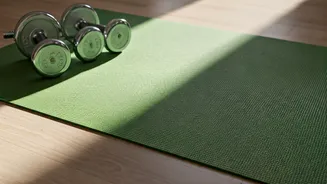
This is where the “beginner workout” comes in. For years, formal fitness in India was often seen as the domain of the affluent—something done in exclusive clubs or by Bollywood stars with personal trainers. The new wave is entirely different. It’s powered by YouTube, Instagram, and a fleet of homegrown fitness apps. Indian fitness influencers began creating content specifically for the average person stuck in a small apartment. They taught 20-minute bodyweight circuits, no-jump cardio routines for people with downstairs neighbors, and basic yoga flows that required nothing more than a mat, or even just a bit of floor space. The language was often local, the instructions were simple, and the focus was on consistency over intensity. This wasn't about getting shredded; it was about getting moving. By removing the barriers of cost, travel, and intimidation, these digital trainers democratized wellness for tens of millions of people who had previously been left out of the conversation.
A Cultural Shift, Not Just a Trend
What's happening is more than just a fitness trend; it’s a tangible cultural shift. It represents a move toward preventative health and individual empowerment. Young professionals, homemakers, and even older generations are embracing daily movement as a non-negotiable part of their lives. This new fitness-conscious consumer base has also fueled a booming market for athleisure, health supplements, and wearable tech, attracting significant global investment. More importantly, it’s a grassroots response to a national health crisis. While government and public health bodies have struggled to curb the rise of NCDs, a generation of Indians is taking matters into their own hands, one living-room lunge at a time. It’s a powerful testament to how communities adapt, using the tools of the modern world to solve the problems created by it.