

First, What Is ‘Fibermaxxing’?
Let’s get the lingo out of the way. Like other “-maxxing” trends born on the internet, fibermaxxing simply means intentionally maximizing your intake of one specific thing: dietary fiber. It’s not a formal medical term or a structured diet plan. Instead,
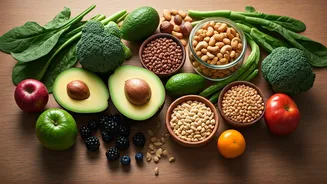
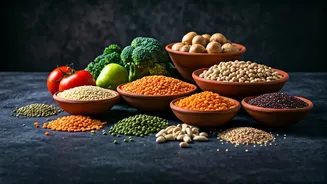
it’s a social media-driven movement where people share tips, recipes, and results from consciously loading their plates with fiber-rich foods. Think of it as a grassroots response to the modern processed diet, with users tracking their grams of fiber from psyllium husk, chia seeds, oats, beans, and mountains of vegetables, all in the name of improving digestion, stabilizing blood sugar, and achieving better overall health.
The 'Indian Guts' Connection
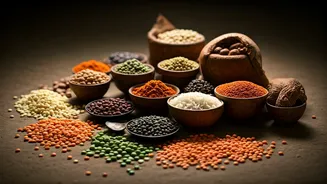
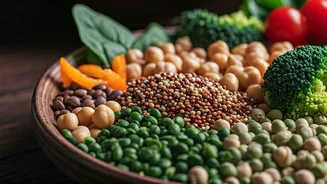
So why is this trend being linked specifically to “Indian guts”? The headline-grabbing phrase points to a real dietary shift happening in urban India and among the diaspora in the U.S. For generations, traditional Indian regional cuisines were incredibly rich in fiber. Meals were built around whole grains like millet and sorghum, a vast array of lentils and legumes (dal), and a produce aisle’s worth of seasonal vegetables. But with globalization and rising incomes came a new diet: one heavy on refined white rice and wheat flour, processed snacks, sugary drinks, and fast food. This nutritional transition has been linked to a rise in lifestyle diseases like type 2 diabetes and digestive issues. The “fibermaxxing” trend, in this context, is less about discovering something new and more about reclaiming a lost nutritional heritage.
A Return to Traditional Wisdom
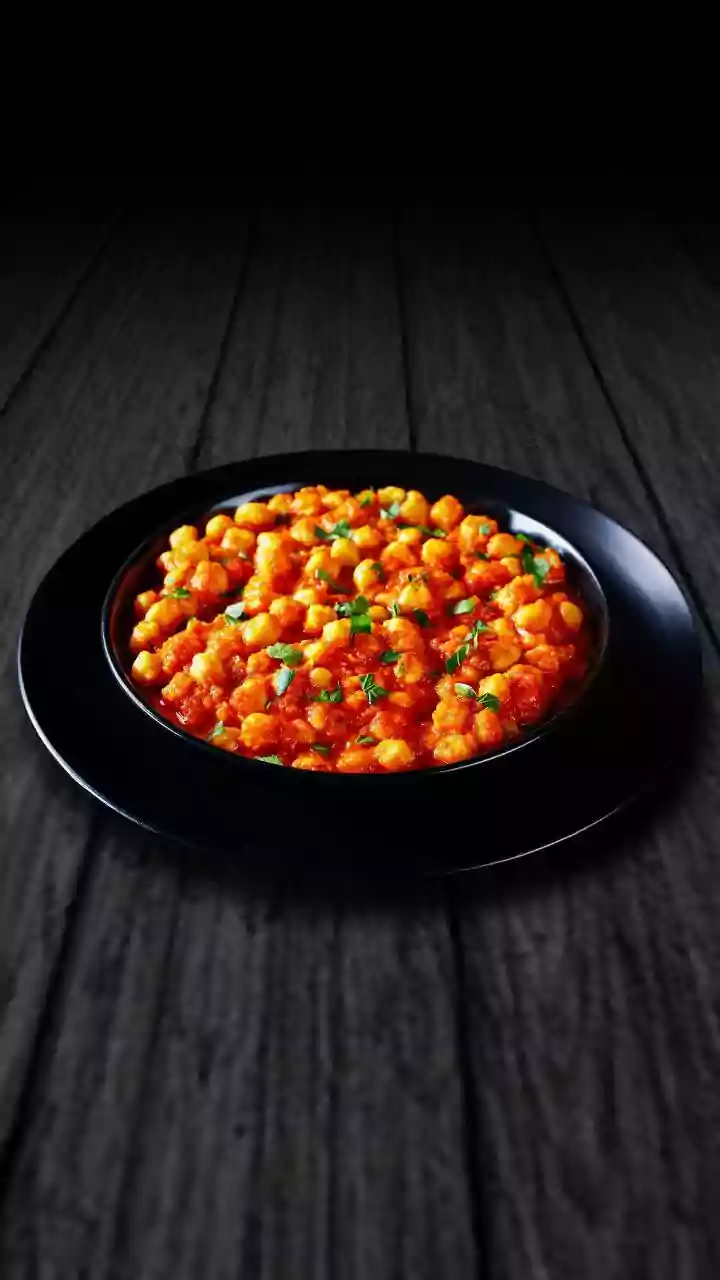
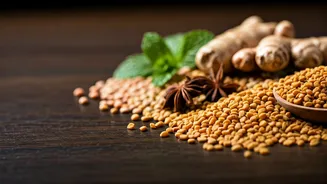
Before there were TikTok trends, there were grandmothers. And in many Indian households, those grandmothers championed diets that were, by today's standards, the original fibermaxxing. A simple, everyday meal of dal (lentils), sabzi (vegetables), and roti made from whole wheat or millet flour is a masterclass in fiber. Ingredients like fenugreek, okra, gourds, and leafy greens are digestive powerhouses that have been part of the subcontinent’s food culture for centuries. This new trend isn’t inventing the wheel; it’s putting a modern, hashtag-friendly name on a time-tested way of eating. It’s a recognition that the solution to modern dietary problems might be hiding in plain sight, in the pages of old family recipe books.
Does the Science Back It Up?
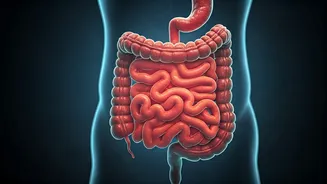
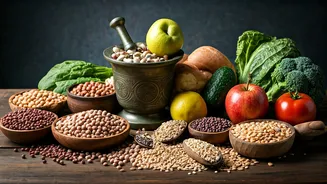
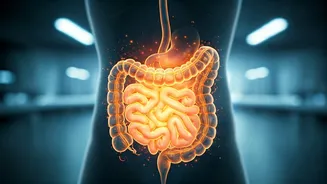
While the name is trendy, the principle is rock-solid. Dietary fiber is a cornerstone of a healthy diet, and the science is unequivocal. There are two main types: soluble fiber (found in oats, beans, apples) dissolves in water to form a gel-like substance that can help lower cholesterol and stabilize blood glucose levels. Insoluble fiber (found in whole grains and vegetables) adds bulk to stool, promoting regularity and preventing constipation. A high-fiber diet feeds the beneficial bacteria in your gut, collectively known as the microbiome. A healthy microbiome is linked to everything from a stronger immune system and better mood to a lower risk of chronic disease. So yes, “fibermaxxing”—or more simply, eating enough fiber—absolutely works.
A Smarter, Gentler Approach
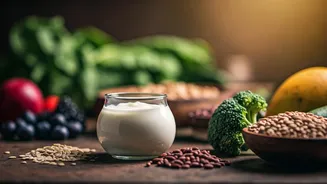
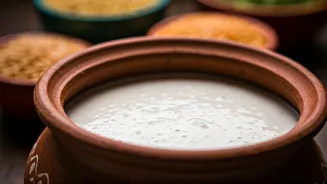
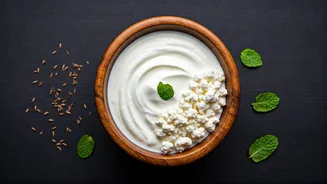
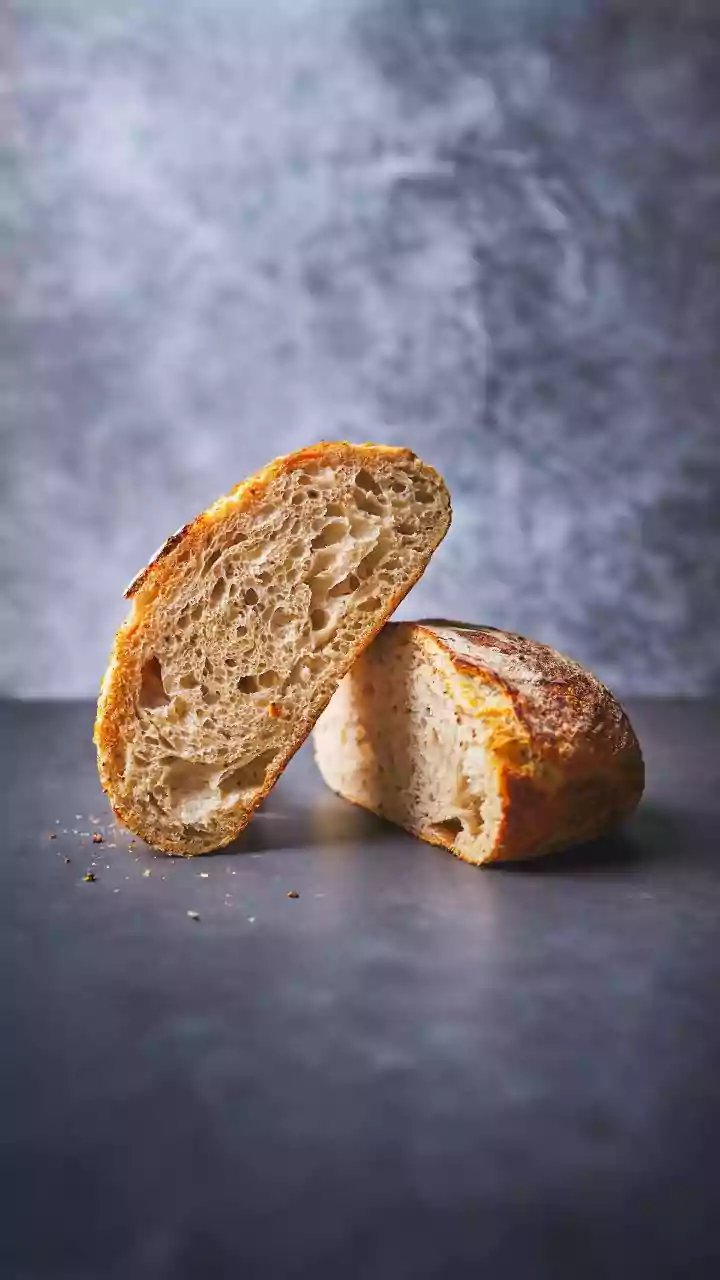
The only real risk of “fibermaxxing” is doing too much, too soon. A sudden, massive increase in fiber can lead to gas, bloating, and discomfort. The key is gradual implementation. You don’t need to count every gram to reap the benefits. Start by making simple swaps: choose whole-wheat bread over white, brown rice over white, and add a serving of lentils or beans to your meals a few times a week. Incorporate a variety of fruits and vegetables into your daily routine. A tablespoon of chia seeds in your morning yogurt or psyllium husk in a glass of water can provide a significant boost. The goal isn't an extreme obsession but a sustainable lifestyle change that prioritizes whole, unprocessed foods.