

An Antidote to Urban Overload
Imagine the daily sensory experience in a major Indian metropolis: a riot of color, a symphony of horns, the constant motion of crowds. It’s vibrant and exhilarating, but also exhausting. For a generation navigating high-pressure careers and the perpetual
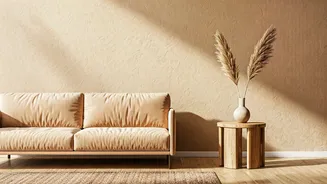
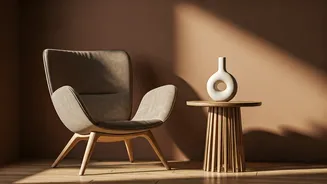
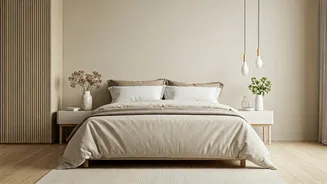
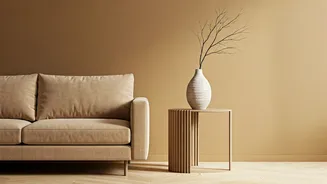
hum of city life, the home—and specifically the bedroom—is no longer just a place to sleep. It’s a sanctuary, a hard-won zone of peace. The shift towards sand-colored palettes is a direct psychological reaction to this external chaos. These soft, earthy neutrals don’t demand your attention. They don't shout. Instead, they whisper. The muted tones work to visually quiet a space, lowering the mental temperature and creating a restorative environment where the mind can finally unclench after a long day. This isn't just about liking a color; it’s about curating a feeling of calm and control in a world that often feels like it has neither.
The Global Influence of Minimalism
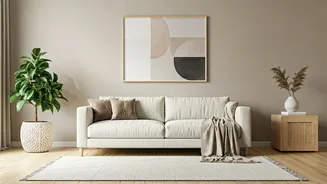
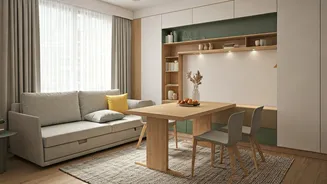
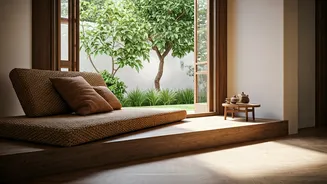
The internet, particularly Pinterest and Instagram, has flattened the world of design. Aesthetics that once felt geographically specific—like Scandinavian hygge or Japanese wabi-sabi—are now part of a global visual language. Young Indians are as fluent in these trends as their counterparts in New York or Stockholm. The sand-colored palette is a cornerstone of these popular minimalist movements. It champions clean lines, uncluttered surfaces, and natural materials. This aesthetic offers a sophisticated, modern alternative to the more traditional, ornate, and heavily colored interiors of previous generations. For many, adopting this style is a way of signaling a global-minded, contemporary identity. It's a look that feels both aspirational and internationally current, seamlessly blending the sleekness of a Scandinavian retreat with the warmth needed for a personal space.
A Perfect Canvas for Personality
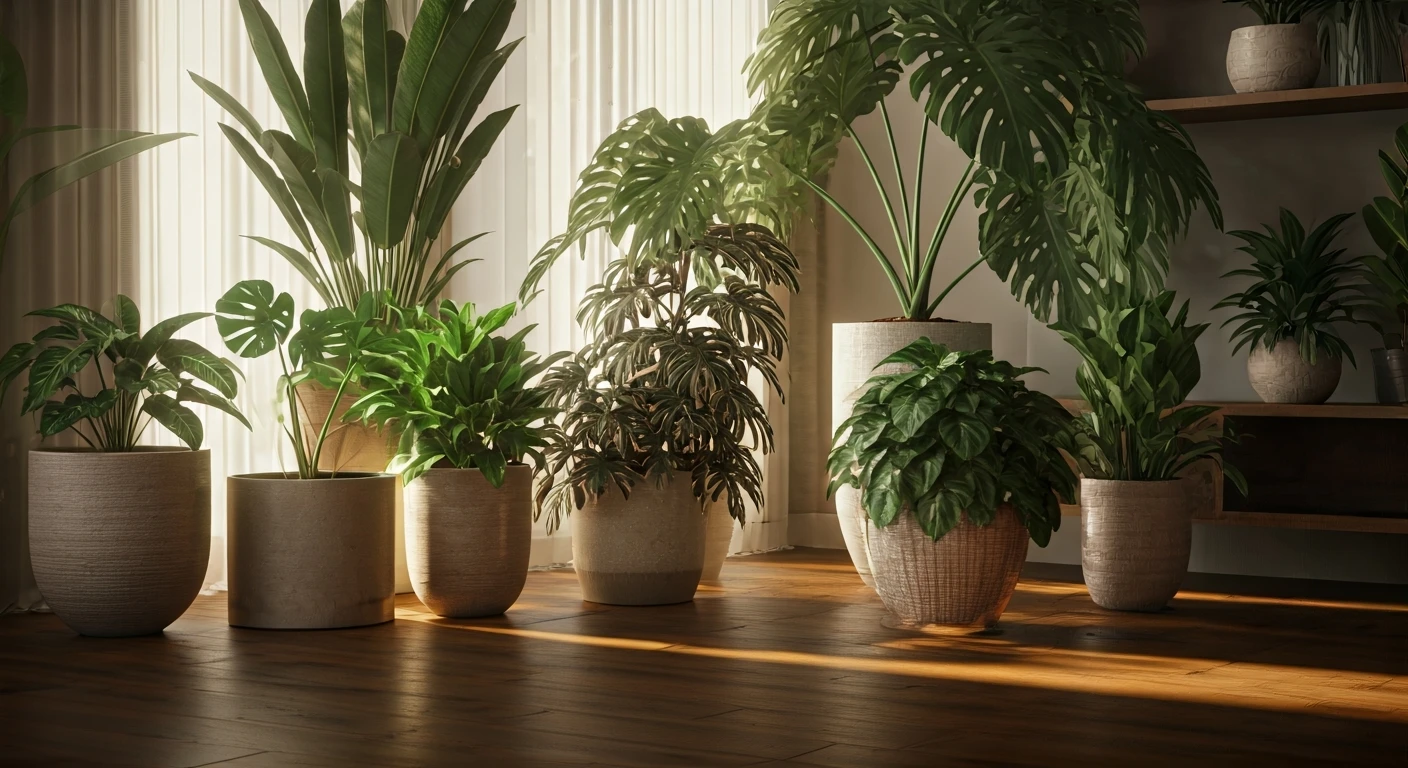
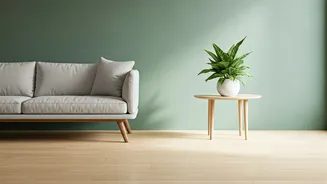
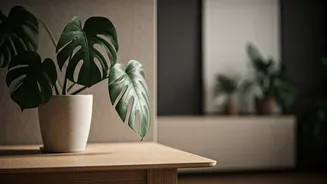
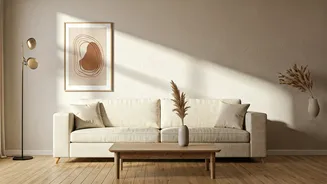
One might assume a neutral room is a boring room, but that’s missing the point entirely. Think of a sand-colored wall not as the final statement, but as the perfect primer. This neutral backdrop makes everything else in the room pop. It provides a sophisticated canvas for self-expression, allowing personal tastes to shine through without competing for attention. A vibrant piece of abstract art, a collection of lush green houseplants, or a richly embroidered textile from a local artisan—all of these elements become the focal point against a calm, sandy base. This allows for a beautiful fusion of old and new. A young person can hang a traditional Phulkari tapestry or place a brass heirloom on a sleek, modern dresser, and the combination feels deliberate and chic, not cluttered. The neutral theme doesn't erase cultural identity; it provides a modern framework to showcase it more intentionally.
The Economics of Timelessness
Let’s be practical. Decorating a space is an investment of time and money. For young people setting up their first apartments or redecorating their rooms, longevity matters. Unlike a bold color of the moment—that Millennial pink or Gen-Z green—a sand-colored theme is essentially trend-proof. It’s a timeless choice that won’t feel dated in a few years. This makes it an economically sound decision. You can easily update the look and feel of the room by simply swapping out pillows, throws, and artwork, which is far cheaper and easier than repainting walls or buying new furniture. This versatility appeals to a generation that values flexibility and smart spending. A neutral base allows the room to evolve with their tastes, from a first-job apartment to a more settled home, without requiring a complete overhaul.