
From Project Cuisine to Weeknight Staple
Let’s be honest: for many American home cooks, the idea of making Indian food from scratch has long been intimidating. The perception was one of complexity, involving long ingredient lists with hard-to-find spices, multi-stage cooking processes, and techniques
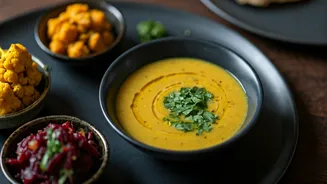
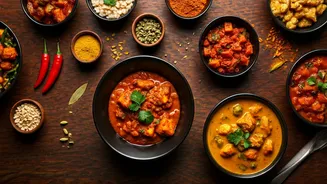
that felt foreign and unforgiving. Dishes like biryani or slow-simmered korma were filed under 'special occasion' or 'restaurant only.' The average Tuesday night, with its limited time and energy, seemed to call for pasta or tacos, not a deep dive into tempering spices. This created a barrier between loving the *flavors* of Indian cuisine and feeling empowered to *create* them. The default was to dial for delivery, leaving a whole universe of culinary exploration locked behind a perceived wall of difficulty. But as online search trends show, the dam is breaking. Hungry Americans aren't just looking for the nearest Indian restaurant; they're searching for '30-minute dal,' 'easy chicken tikka,' and 'one-pot chana masala.'
The Social Media Shortcut
The single biggest driver of this shift is the digital food revolution. A new generation of food bloggers, cookbook authors, and TikTok creators—many of them Indian-American—are actively demystifying the cuisine of their heritage for a modern, time-crunched audience. They're not 'dumbing it down'; they're making it smarter.
Scroll through social media and you’ll see it in action: mesmerizing 60-second videos showing how to make a luscious butter chicken in an Instant Pot, or a simple tadka (tempered spice) oil that can elevate a can of lentils into a show-stopping dish. These creators understand the visual language of 'easy.' They present recipes that are not only quick but also modular and adaptable, giving home cooks the confidence to experiment. By breaking down complex flavor-building into simple, repeatable steps, they've become the trusted guides that were missing for so long.
Redefining 'Authenticity' for the Modern Kitchen
This trend has also sparked a healthier conversation around the loaded word 'authenticity.' The new approach argues that authenticity lies in the flavor profile and spirit of a dish, not necessarily in slavishly replicating a grandmother's hours-long method. It’s about preserving the soul of the food while embracing modern conveniences.
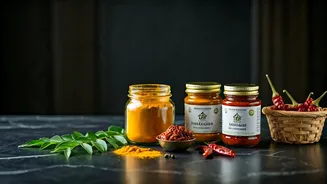
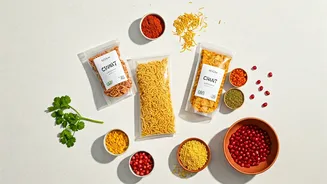
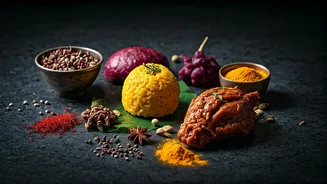
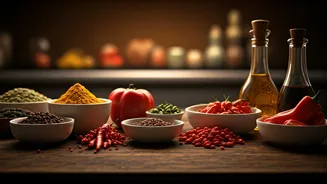
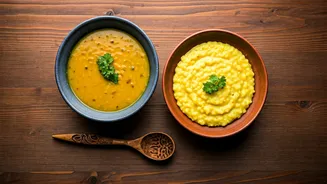
The Instant Pot has become a hero appliance in this space, perfectly suited for cooking dals and legumes in a fraction of the time. Pre-made ginger-garlic paste, once scoffed at by purists, is now celebrated as a brilliant time-saver. High-quality, pre-blended spice mixes from brands like Spicewalla or Diaspora Co. eliminate the need to buy, store, and measure a dozen individual spices for a single dish. This isn't about cutting corners for the sake of it; it's about removing the barriers to entry so more people can enjoy the final product more often.
The New American Pantry
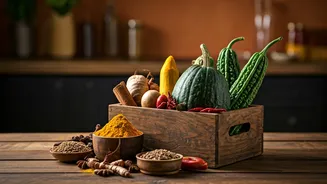
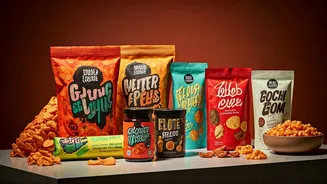
This digital demand has had a very real-world effect on American grocery stores. Where you once had to visit a dedicated Indian market for basics like ghee (clarified butter), paneer (a fresh cheese), or even decent-quality turmeric, these ingredients are now showing up in the international aisle—or even the main dairy and oil sections—of mainstream supermarkets like Trader Joe's, Whole Foods, and Kroger. Brands are responding to the 'quick Indian' trend with jarred simmer sauces that are a far cry from the sugary, one-note versions of the past. The supply chain is finally catching up to the demand, making a spontaneous weeknight palak paneer not just a possibility, but a simple, grocery-run-away reality.