


A Kingdom in the Clouds
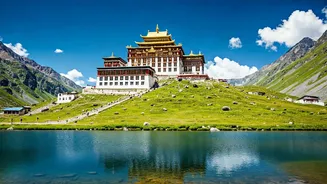
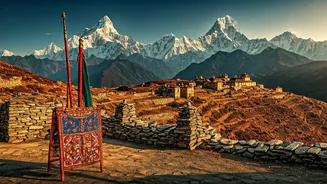
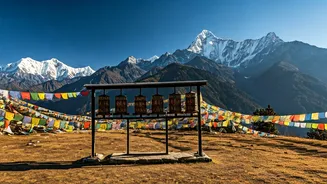
For most Americans, the geography of India might bring to mind the bustling streets of Delhi or the beaches of Goa. But tucked away in the country's northeast, sandwiched between Nepal, Bhutan, and Tibet, is Sikkim. Once an independent Buddhist kingdom,
this mountainous state is often called one of India’s best-kept secrets. Its capital, Gangtok, serves as the stage for the month-long Summer Festival, typically held in May. It’s an event designed not just for tourists, but as a vibrant celebration of Sikkim’s unique identity—a blend of Tibetan Buddhism, Nepali and Lepcha traditions, and a profound connection to the natural world. The festival is a living, breathing invitation into a culture that reveres its environment.
The World-Famous Flower Show
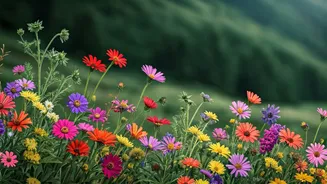
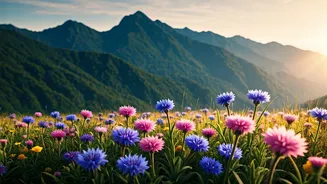
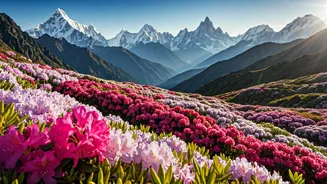
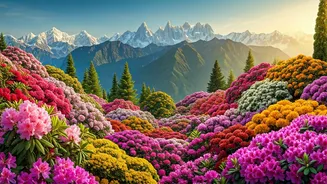
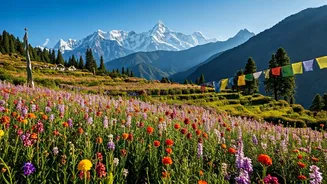
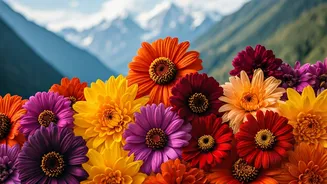
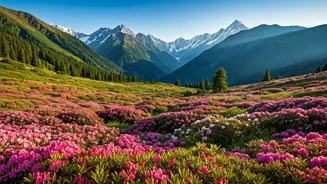
The undisputed star of the Sikkim Summer Festival is the flower show. This is no ordinary county fair exhibit. Sikkim is a global biodiversity hotspot, home to over 5,000 species of flowering plants, including more than 500 types of orchids and 35 species of rhododendrons. The festival grounds at the White Memorial Hall complex become a riot of color, showcasing rare and exotic Himalayan blooms that most people have only ever seen in botanical books. Imagine walking through displays of delicate, bell-shaped rhododendrons in shades of fiery red, soft pink, and pure white, alongside intricate orchids that look like tiny, painted jewels. It’s a sensory overload in the best possible way, a testament to the region's incredible ecological wealth.
Dances, Masks, and Ancient Rhythms
The visual treat extends far beyond flora. The festival is a dynamic showcase of Sikkimese culture. Throughout the month, the air fills with the sound of traditional music and the sight of energetic folk dances. Performers in stunningly ornate costumes, often featuring intricate beadwork and vibrant silks, take to the stage. One of the most captivating sights is the Chaam, or traditional masked lama dances. These are not mere performances but deeply spiritual rituals, depicting the triumph of good over evil with dramatic movements and elaborate, sometimes fearsome, masks representing deities and demons. Watching these ancient traditions come to life against a mountain backdrop is a powerful, almost mystical experience.
A Taste of the Himalayas
No festival is complete without food, and Sikkim’s culinary offerings are as unique as its landscape. Food stalls pop up across Gangtok, offering a delicious introduction to Himalayan cuisine. The undisputed king is the momo, a Tibetan-style steamed dumpling filled with vegetables, cheese, or meat, served with a fiery chili sauce. Another staple is Thukpa, a hearty and warming noodle soup perfect for the cool mountain air. Visitors can also sample local specialties like 'kinema' (fermented soybean), 'gundruk' (fermented leafy greens), and wash it all down with 'chaang,' a traditional millet-based alcoholic beverage. The food here is simple, flavorful, and deeply tied to the land.
Adventure on the Side
While the festival itself is centered in Gangtok, it serves as a perfect jumping-off point for the adventure that awaits in the surrounding region. The timing coincides with the best season for trekking and outdoor activities. Many festival attendees use the opportunity to explore further. The program often includes adventure sports demonstrations, from white-water rafting on the Teesta River to mountain biking along winding hill roads. For a truly unique local experience, there’s the famous Yak Safari. These gentle, shaggy beasts, adorned with colorful tassels and bells, offer a slow and steady ride with unparalleled views of the landscape. It’s a reminder that in Sikkim, nature and adventure are always just a stone's throw away from the cultural festivities.