


The Antidote to 'Do It All' Travel
In a world saturated with hyper-curated vacation photos and bucket-list-driven anxiety, the idea of 'quiet travel' has emerged as a necessary antidote. It’s a philosophy centered on slowness, connection, and immersion over conquest. And there may be no
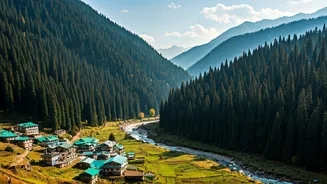
better embodiment of this movement than the village walks around Jibhi, a serene hamlet nestled in the Tirthan Valley of India’s Himachal Pradesh state. Far from the crowded Himalayan highways that lead to more famous destinations like Manali or Shimla, Jibhi offers something increasingly rare: genuine tranquility. It’s a place that doesn’t demand your attention with grand monuments but invites it with the gentle murmur of a river and the promise of a clear mind.
It's a Walk, Not a Hike
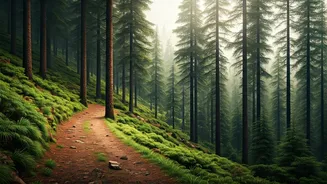
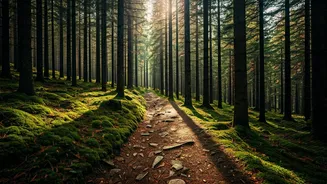
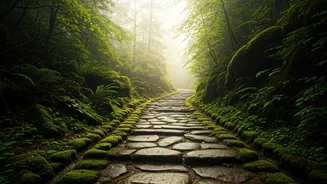
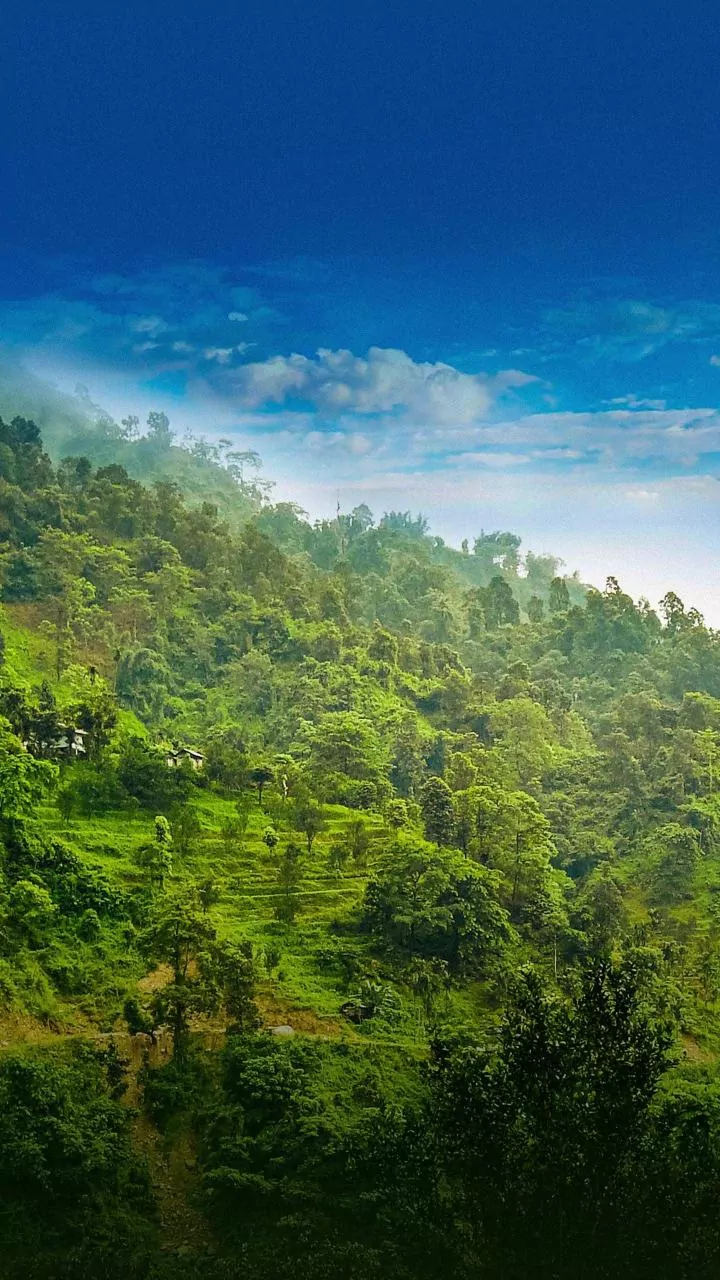
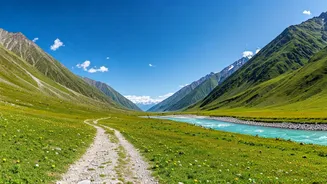
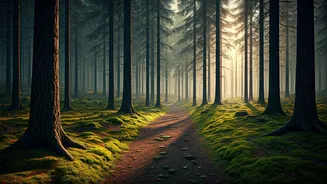
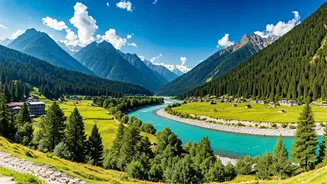
The term 'village walk' is intentional. This isn't about conquering a peak or logging miles on a fitness app. It’s about meandering. The paths that connect Jibhi to neighboring hamlets like Ghiyagi, Shoja, and Bahu are not rugged wilderness trails but the same routes locals have used for generations. You’ll find yourself wandering through dense deodar cedar and pine forests, where sunlight filters through the canopy in shifting patterns. The trail might open up to reveal a stunning vista of terraced fields carved into the mountainside, then dip down to follow the turquoise Tirthan River, its water so clear you can count the stones on its bed. The only schedule is the sun's arc across the sky; the only goal is to observe.
Architecture and Apple Orchards
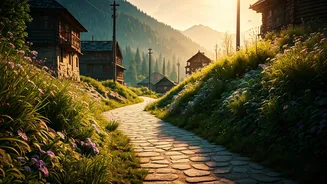
Walking through the Jibhi region is also a journey through time. The villages are characterized by their distinctive Kath-Kuni architecture, a traditional building style that uses interlocking layers of cedar wood and stacked stone without mortar. These sturdy, elegant structures, some centuries old, blend seamlessly into the landscape. As you walk, you’ll pass through fragrant apple orchards, stumble upon miniature wooden temples dedicated to local deities, and be greeted not by touts but by curious children and elders offering a warm 'Juley!' (a common greeting in the region). It's a living landscape, where daily life—farmers tending their crops, women weaving on handlooms, families gathered for chai—unfolds at an unhurried pace, and tourists are observers, not the main event.
The Rhythm of the Valley
Ultimately, the power of a Jibhi village walk lies in its ability to recalibrate your internal rhythm. There are no lists to check off. A morning walk might lead to an afternoon spent reading by the river, sipping tea at a tiny dhaba (roadside eatery), or simply watching clouds drift over the Himalayan peaks. This absence of obligation is, at first, jarring for the overstimulated modern mind, but it soon becomes the ultimate luxury. It’s in these quiet, unstructured moments that the true purpose of the trip reveals itself: to disconnect from the noise and reconnect with the simple, profound beauty of the world and your place in it. You arrive seeking a destination but find a state of mind.