
The Great Indoors Accelerator
For decades, the cultural current was pulling away from the kitchen. Convenience was king. The ultimate modern luxury wasn't a home-cooked meal, but the ability to not cook at all, summoning dinner from an app with a few taps. Home cooking was often framed
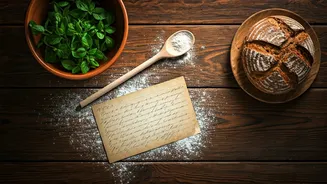
as a chore, a time-consuming burden in our optimized lives. Then, the world shut down. Suddenly, time was abundant and restaurants were off-limits. The pandemic acted as a massive cultural reset button. Forced back into our kitchens, millions of Americans rediscovered them not as sites of drudgery, but as labs for experimentation, sources of comfort, and zones of control in a world that felt completely out of control. The sourdough craze wasn't just about bread; it was about nurturing something tangible, following a process, and creating sustenance with our own hands. It turned the kitchen from a pass-through space into the very heart of the home again.
Scrolling Through the Recipe Box
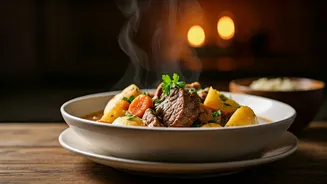
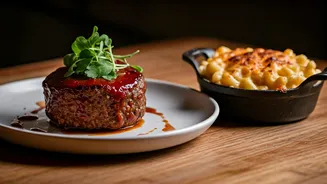
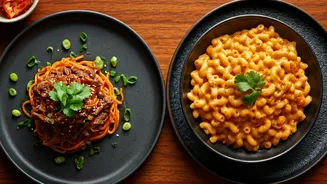
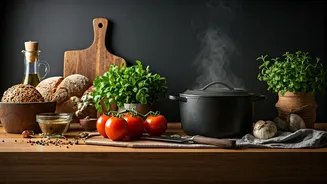
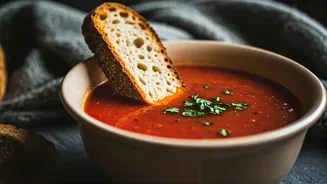
If the pandemic provided the time, social media provided the inspiration—and the validation. Platforms like TikTok and Instagram proved to be the perfect stage for the revival of home-style food. Unlike the glossy, intimidating perfection of food magazines of yore, social media celebrated the rustic, the messy, and the deeply satisfying. The viral feta pasta, the cozy one-pot stews, the ASMR-tinged videos of bread being sliced—they all shared a common thread: attainability. This wasn't Michelin-starred cheffing with foams and gels; this was food that looked like something you could actually make, and more importantly, something you’d actually want to eat. The visual language of social media—the cheese pulls, the steam rising from a bowl, the imperfectly beautiful crust of a pie—made simple food not just acceptable, but aspirational. Being a good home cook became a new form of clout.
A Craving for Authenticity
This movement is also a quiet rebellion against the high-concept, overly curated “foodie” culture that dominated the 2010s. There was a growing fatigue with deconstructed dishes, twelve-course tasting menus, and the pressure to have a sophisticated palate. People didn’t want to analyze their food; they wanted to enjoy it. Home-style cooking offers a powerful antidote: authenticity. A simmering bolognese sauce, a fragrant chicken soup, or a perfectly baked chocolate chip cookie doesn’t require interpretation. Its value is inherent. It connects us to memory, to family, and to a sense of nourishment that goes beyond mere sustenance. In an era of filters, personal branding, and curated online personas, a simple, honest meal feels radically real. It’s a rejection of performance in favor of genuine comfort.
Comfort as the New Status Symbol
Ultimately, the newfound coolness of home cooking is about a redefinition of status. The old status symbols were about outsourcing and efficiency. The new status symbol is about insourcing and care. It’s the ability to take time, to create something nourishing, and to share it. Bringing a homemade babka to a friend’s house carries more weight than showing up with a generic bottle of wine. Knowing how to properly use a cast-iron skillet is a badge of honor. This shift aligns with broader trends like “cottagecore” and a general yearning for simpler, more tangible pleasures. In an increasingly digital and disconnected world, the analog, sensory experience of cooking and eating a meal that someone lovingly prepared is the ultimate luxury. It isn’t about being old-fashioned; it’s about prioritizing what feels timeless and true.