



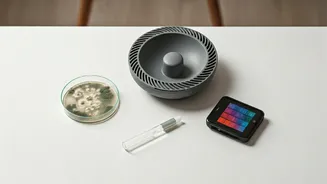
From PSA to Viral Sensation
Remember the old food pyramid posters? Or the laminated fire-safety instructions tacked to a community center bulletin board? For decades, this was the primary medium for public safety messaging: sterile, institutional, and easy to ignore. The advice
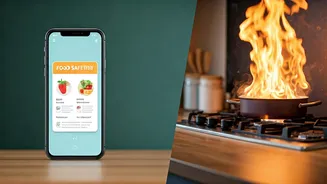
itself was sound, but the delivery was bland. No one was forwarding a government PDF to their group chat with the caption, “You HAVE to see this.”Then came the algorithm. On platforms like TikTok and Instagram, where content lives or dies by its ability to grab attention in three seconds, a new format for safety has emerged. It’s dramatic, visual, and intensely personal. Instead of a bulleted list, you get a 30-second video showing a stovetop grease fire erupting into a terrifying fireball after someone mistakenly throws water on it. The visceral shock of seeing the mistake in action is far more memorable than reading about it. This is kitchen safety reimagined for the digital age: less like a textbook, more like a blockbuster action scene you can learn from.
The Psychology of the Share
So why is this content suddenly so compelling? It taps directly into the mechanics of what makes social media tick. First, there's the element of surprise and drama. A flaming pan or a close-up of bacteria on a cutting board provides an immediate jolt of emotion—fear, curiosity, or even a sense of morbid fascination. Our brains are wired to pay attention to potential threats, and these videos are essentially bite-sized threat simulations.Second, much of this content uses a powerful, often-unspoken framework: “You’re doing it wrong.” Videos demonstrating the hidden dangers of reheating rice, washing raw chicken (and splattering bacteria everywhere), or using the wrong type of fire extinguisher play on a universal anxiety about hidden risks in everyday life. The shareable appeal comes from a place of communal discovery and care. Sharing a video about the dangers of a dull knife isn't just a content share; it's a social gesture that says, “I’m looking out for you.” It’s the digital equivalent of yelling, “Be careful, that pan is hot!”
The New Safety Influencers
The people delivering these messages aren't your typical spokespeople. The new faces of kitchen safety are a diverse and often unexpected crew. You have firefighters on TikTok who use their real-world experience to create compelling demos. You have food scientists and registered dietitians who go viral by debunking myths about foodborne illness with petri dishes and hard data. And perhaps most powerfully, you have everyday home cooks sharing their own near-misses and hard-won lessons.This shift from institutional authority to peer-to-peer recommendation makes the advice feel more authentic and relatable. When a creator who looks and sounds like your friend tells you that you need to clean your air fryer more often to prevent a fire, the message lands differently. It’s not a command from a faceless agency; it’s a tip from someone in your digital community.
A Word of Caution
Of course, the democratization of information has a downside: misinformation. For every qualified professional sharing life-saving advice, there’s a well-meaning but incorrect video that gains traction. Dubious “hacks,” dangerous cleaning-chemical combinations, and pseudoscientific food prep rituals can spread just as quickly as legitimate tips. The viral nature of the content can sometimes prioritize drama over accuracy.This makes media literacy more important than ever. The smart consumer of safety content learns to be discerning. Is the creator a qualified expert, like a firefighter or a food scientist? Do they cite their sources? Are they recommending something that seems too good, or too strange, to be true? As a rule of thumb, it’s always wise to cross-reference shocking claims with established sources like the FDA, USDA, or the National Fire Protection Association before changing your habits.