
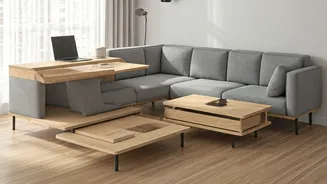
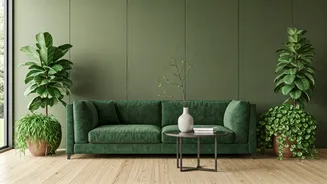
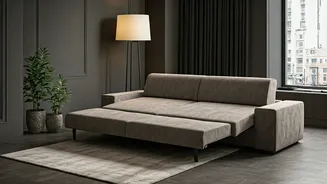


The Sofa Is No Longer Off-Limits
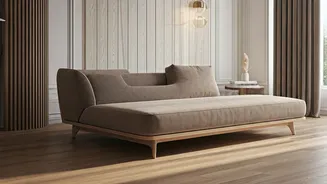
The old rule was simple: keep paws off the furniture. The new rule? Choose furniture that can handle the paws. The biggest game-changer has been the widespread availability of performance fabrics. Once reserved for outdoor furniture or high-traffic commercial
spaces, materials from brands like Crypton, Perennials, and Sunbrella are now staples in residential living rooms. These engineered textiles are resistant to stains, moisture, odors, and tearing. A muddy paw print or a spilled water bowl is no longer a catastrophe but a simple wipe-away inconvenience. This shift means velvet, linen-looks, and other luxe textures are back on the table for pet parents, who no longer have to swaddle their sofas in unsightly throws and blankets.
Floors Must Be Scratch-Proof and Stylish
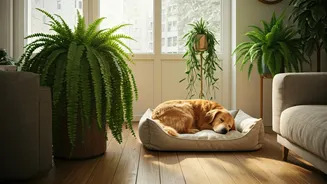
Delicate, easily scratched hardwood floors were once the default for an upscale look, but they are a constant source of anxiety for dog owners. The new design sensibility prioritizes durability without sacrificing aesthetics. Luxury Vinyl Plank (LVP) has emerged as a hero material, offering hyper-realistic wood looks that are virtually impervious to scratches from claws. Similarly, modern porcelain tile comes in countless designs—from wood-grain to marble—providing a tough, easy-to-clean surface. The focus has moved from precious materials that require constant protection to robust, high-endurance foundations that let dogs be dogs.
‘Barkitecture’ Is Now a Real Thing
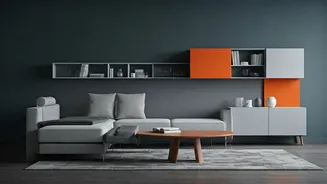
Instead of tucking a dog bed in a corner, designers and homeowners are now integrating pet needs directly into the home’s architecture. This trend, playfully dubbed “barkitecture,” treats pets as full-time residents whose comfort matters. Common examples include built-in feeding stations that slide out from a kitchen island cabinet, keeping bowls off the floor. In mudrooms, custom dog-washing stations with handheld sprayers are becoming a coveted feature. For cats, it might be a discreet cabinet with a side opening that perfectly conceals a litter box. This isn't just about hiding pet gear; it's about creating thoughtful, permanent solutions that elevate the function of the home for every member of the family, furry or not.
Vertical Space Is Prime Real Estate
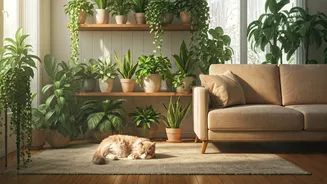
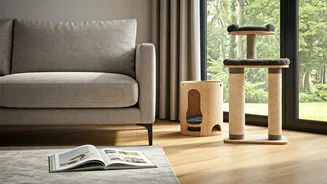
Cat owners know their pets crave vertical territory. For decades, the only solution was a clunky, carpet-covered cat tree that screamed “crazy cat person.” Today’s designers are thinking upwards in a much more sophisticated way. Wall-mounted shelves, perches, and walkways are being designed as sculptural elements that double as a feline highway. These “catioscapes” can be minimalist floating wood shelves or intricate systems that guide a cat up and around a room. The same thinking applies to outdoor access with the rise of “catios”—enclosed patios or window boxes that give indoor cats safe, stimulating access to fresh air without the risks of free-roaming.
Washability Is the Ultimate Luxury
The new definition of luxury in a pet-friendly home isn't about what's most expensive; it's about what's most easily cleaned. This principle extends far beyond the sofa. Area rugs made from washable materials or durable indoor-outdoor synthetics have replaced delicate wool or silk rugs in high-traffic areas. Removable, machine-washable slipcovers are seeing a major resurgence, now in tailored, modern styles. Even wall paint choices are affected, with designers opting for eggshell or satin finishes over flat matte, as they can be wiped down without leaving a mark. This obsession with washability frees homeowners from the stress of potential messes, making the home more livable and relaxed.
Thoughtful Curation Replaces Clutter
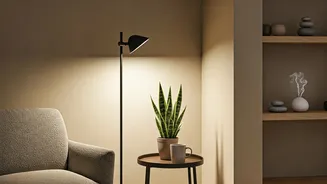
A home with pets—especially young, curious ones—requires a more intentional approach to decor. The old way was to simply live with chewed-up items or broken vases. The new rule is to edit and elevate. This means swapping out floor baskets of decorative items for closed storage solutions. It means ensuring electrical cords are managed and hidden. It involves choosing pet-safe houseplants (like spider plants and prayer plants) over toxic ones (like lilies and sago palms). This minimalist-by-necessity approach doesn't mean a home has to be sterile. It means every object is chosen with care, ensuring the environment is not only beautiful but also safe for its most playful inhabitants.