





The Allure of the Quick Fix
The promise of a probiotic supplement is seductive. It feels like a simple, targeted solution: swallow a capsule containing billions of 'good' bacteria and let them work their magic. The global probiotics market is worth tens of billions of dollars, built
on this very premise. However, for most generally healthy people, the reality is more complicated. Your gut is home to trillions of microorganisms, comprising thousands of different species. Think of it as a bustling, diverse metropolis. A typical probiotic supplement, by contrast, is like dropping a busload of identical tourists into the middle of Times Square. They might add to the crowd for a little while, but they're unlikely to fundamentally change the city's complex social fabric. Many of the bacteria in supplements don't even survive the journey through the stomach's acidic environment. And even if they do, introducing a high dose of just one or two strains might not be what your unique ecosystem actually needs.
Why Your Gut Craves Variety
Instead of trying to parachute in new residents, a better strategy is to feed the diverse population that’s already there. This is where dietary variety comes in. Think of your gut microbiome as a garden. You wouldn't just plant tulips. A healthy garden has a mix of flowers, shrubs, and trees, all supported by rich soil. Similarly, a healthy gut thrives on a wide range of inputs. Different types of fiber, polyphenols, and nutrients found in various plant foods act as 'prebiotics'—essentially, fertilizer for your good gut bugs. The bacteria in your colon ferment these fibers, producing beneficial compounds like short-chain fatty acids (SCFAs). These SCFAs help maintain the gut lining, reduce inflammation, and play a role in everything from metabolism to mood. When you only eat a handful of the same foods, you're only feeding a small fraction of your microbial team, allowing them to dominate while others starve.
A Simple Goal: The '30-Plant' Guideline
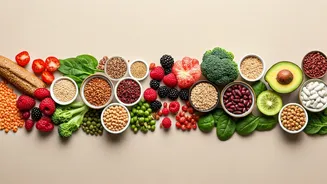
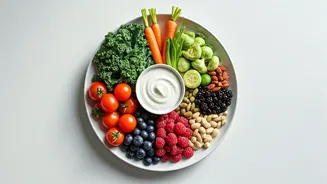
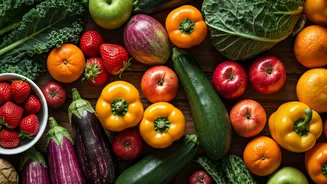
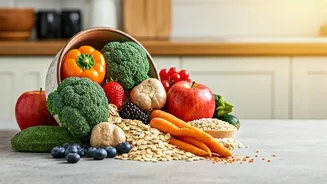
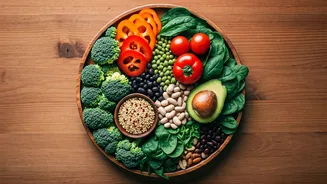
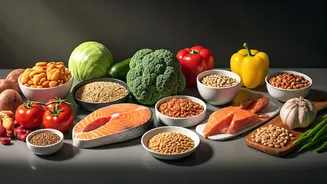
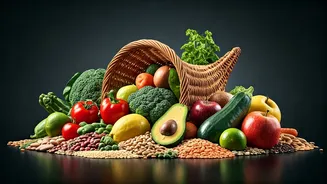
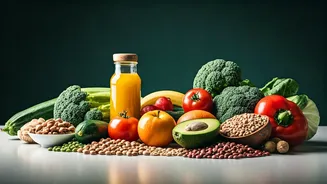
So what does 'variety' actually look like? Groundbreaking research from initiatives like the American Gut Project provided a surprisingly simple, actionable target. The study found that individuals who ate 30 or more different types of plants per week had a significantly more diverse gut microbiome than those who ate 10 or fewer. This might sound intimidating, but 'plants' is a broad and forgiving category. It includes fruits, vegetables, whole grains, legumes (beans, lentils), nuts, and seeds. Even herbs and spices count. The goal isn't to become a perfect eater overnight; it's to make small, consistent shifts toward diversity. Instead of a daunting overhaul, think of it as a fun weekly challenge to introduce more color and texture to your meals.
Easy Ways to Diversify Your Diet
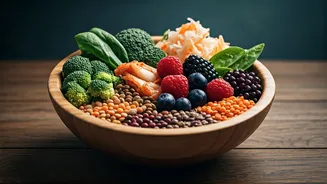
Hitting that 30-plant mark is easier than you think. It's about small additions and simple swaps, not radical changes. Here are a few ideas to get you started: * **Upgrade Your Breakfast:** If you eat oatmeal, top it with a different fruit each day (berries, banana, apple slices) and a sprinkle of seeds (chia, flax, pumpkin). * **Build a Better Salad:** Don't just stick to romaine. Use a base of mixed greens, and then toss in whatever you have: bell peppers, cucumbers, shredded carrots, chickpeas, and a few walnuts or sunflower seeds. * **Snack Smarter:** Instead of one type of nut, buy a mixed nut blend. Swap your usual apple for a pear, a handful of grapes, or an orange. * **Embrace 'Everything But the Kitchen Sink' Meals:** Soups, stews, and grain bowls are perfect vehicles for variety. Use up leftover roasted vegetables, toss in a can of beans, and finish with a sprinkle of fresh parsley or cilantro. Each new ingredient is another point for your gut.