


More Than Just Jerk and Piña Coladas
For years, the American idea of “Caribbean food” was often a caricature, limited to the resort-friendly hits: jerk chicken, rum punch, and maybe a conch fritter. But a delicious revolution is underway. Across the country, in unassuming strip malls and bustling
city centers, a new generation of chefs, home cooks, and entrepreneurs are going beyond the pan-Caribbean basics. They are proudly serving the specific, nuanced, and deeply personal dishes of their individual home islands. This isn’t about recreating a vacation; it’s about sharing a heritage. It’s the difference between a generic “beach vibe” and the authentic, soulful experience of stepping into a family kitchen in Port-au-Prince, Port of Spain, or Bridgetown.
A Delicious Dive into Specificity
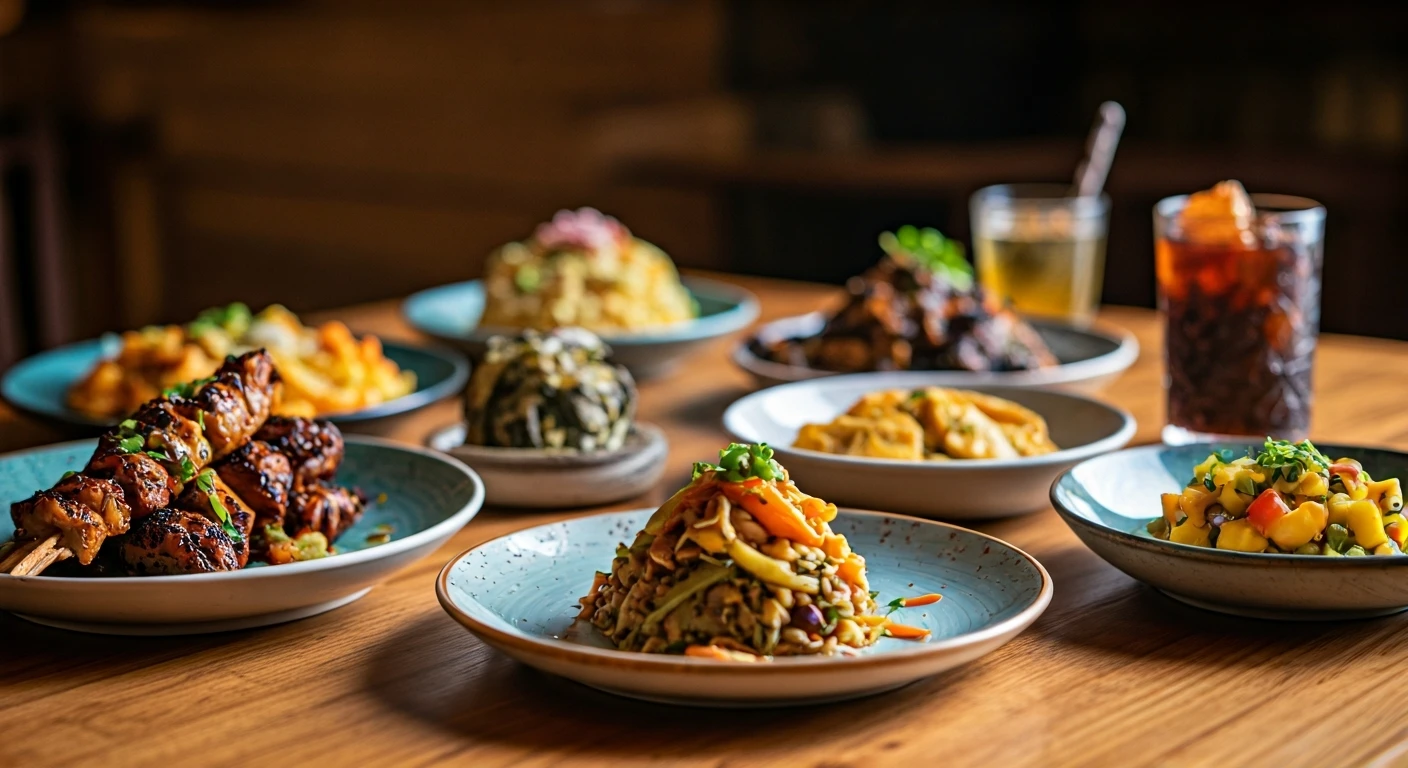
The key to this culinary movement is its hyper-regional focus. Food lovers are discovering that the Caribbean is not a monolith. In cities like New York and Miami, you can now find Trinidadian spots serving “doubles”—a savory street food of fried flatbread (bara) filled with curried chickpeas (channa) and topped with a symphony of chutneys. Head to a Haitian eatery, and you’ll find griot, succulent cubes of pork shoulder marinated in citrus and Scotch bonnet peppers, then fried to crispy perfection. In neighborhoods with Guyanese communities, you’ll encounter a unique fusion of Caribbean, Indian, and Chinese flavors, with dishes like chicken-foot souse or pepperpot, a rich, slow-cooked meat stew flavored with cassareep (a cassava-based sauce) that is the country’s national dish. This is food with a story, a specific place, and a distinct point of view.
Meet the Culinary Ambassadors
Behind every great plate of bake and shark or oxtail stew is a passionate culinary ambassador. Many are second- or third-generation immigrants who grew up with these flavors and are now reclaiming them with professional technique and entrepreneurial spirit. They are tired of seeing their culture’s food relegated to the sidelines or diluted for mainstream palates. These chefs are not just cooking; they are educating. Through their menus, social media, and the very atmosphere of their restaurants, they explain the history of a dish, the importance of a particular spice, or the story behind a family recipe passed down through generations. They are building community hubs where expatriates can find a taste of home and curious foodies can embark on a genuine cultural exploration.
How to Find Your Own Island Escape
Ready to take your own culinary trip? The best way to start is by getting specific with your search. Instead of looking for “Caribbean food,” try searching for “Trinidadian roti shop,” “Haitian bakery,” or “Jamaican patties near me.” Look for places buzzing with locals—that’s always a good sign. Don’t be afraid to ask questions. Ask the person behind the counter what their favorite dish is, or what the house specialty is. Be adventurous and order something you’ve never heard of. Start with iconic, can’t-miss items: the aforementioned Trinidadian doubles, Haitian griot, or a Jamaican beef patty with a flaky, turmeric-yellow crust. Soon you’ll be distinguishing between Bajan fish cakes and Barbadian cou-cou, and your palate will be richer for it.