

Not Your Grandfather's Tiki Bar
For decades, "tropical" food in the U.S. was often synonymous with kitsch. Think pineapple rings on ham, coconut shrimp from a freezer bag, and syrupy, rum-drenched cocktails served in ceramic parrots. It was food treated as a theme park attraction—a
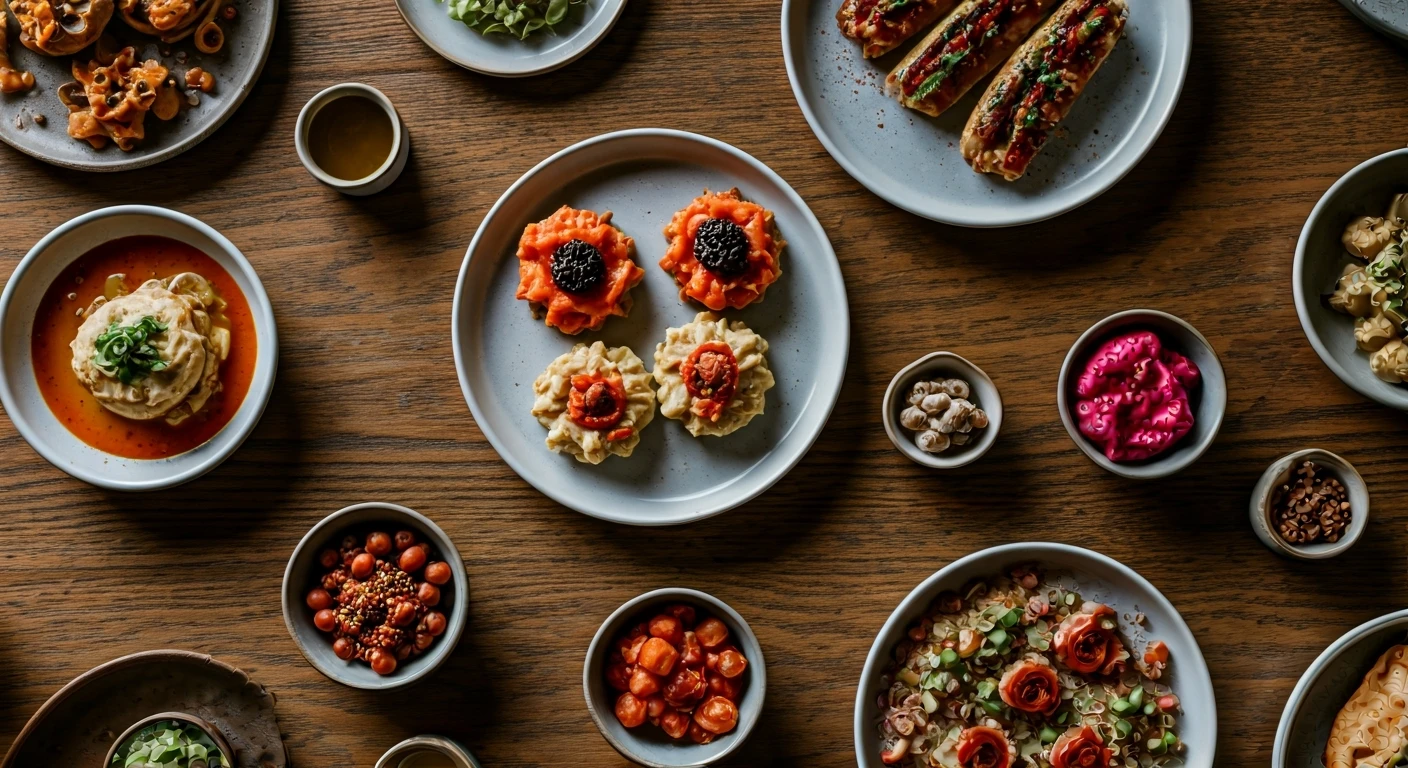
vague, pan-Polynesian fantasy disconnected from any specific culture. But that's changing, fast. The new tropical movement isn't about escapism; it's about arrival. Chef-driven restaurants in cities like Chicago, New York, and Los Angeles are centering the complex, nuanced cuisines of the Philippines, the Caribbean, and equatorial Latin America. This isn't about fusion confusion; it's about presenting heritage cooking with the technique, respect, and creativity previously reserved for European traditions.
The Filipino Food Renaissance
Nowhere is this glow-up more apparent than in Filipino cuisine. Once relegated to home kitchens and community potlucks, it's now at the forefront of American dining, with restaurants like Chicago's Kasama earning Michelin stars. Second-generation Filipino-American chefs are done apologizing for their food's bold flavors. They're celebrating the cuisine's signature interplay of sour (suka), salty (patis), and sweet. Ingredients once found only in specialty stores are now menu headliners. Ube, the vividly purple yam, has become an Instagram superstar in everything from Basque cheesecakes to crinkle cookies. Calamansi, a tiny, powerfully sour citrus, is replacing lemon in craft cocktails and marinades. And classic dishes like adobo and sinigang are being deconstructed and re-imagined, showcasing their depth to a new generation of diners hungry for something more exciting than another burger.
A Fresh Taste of the Caribbean
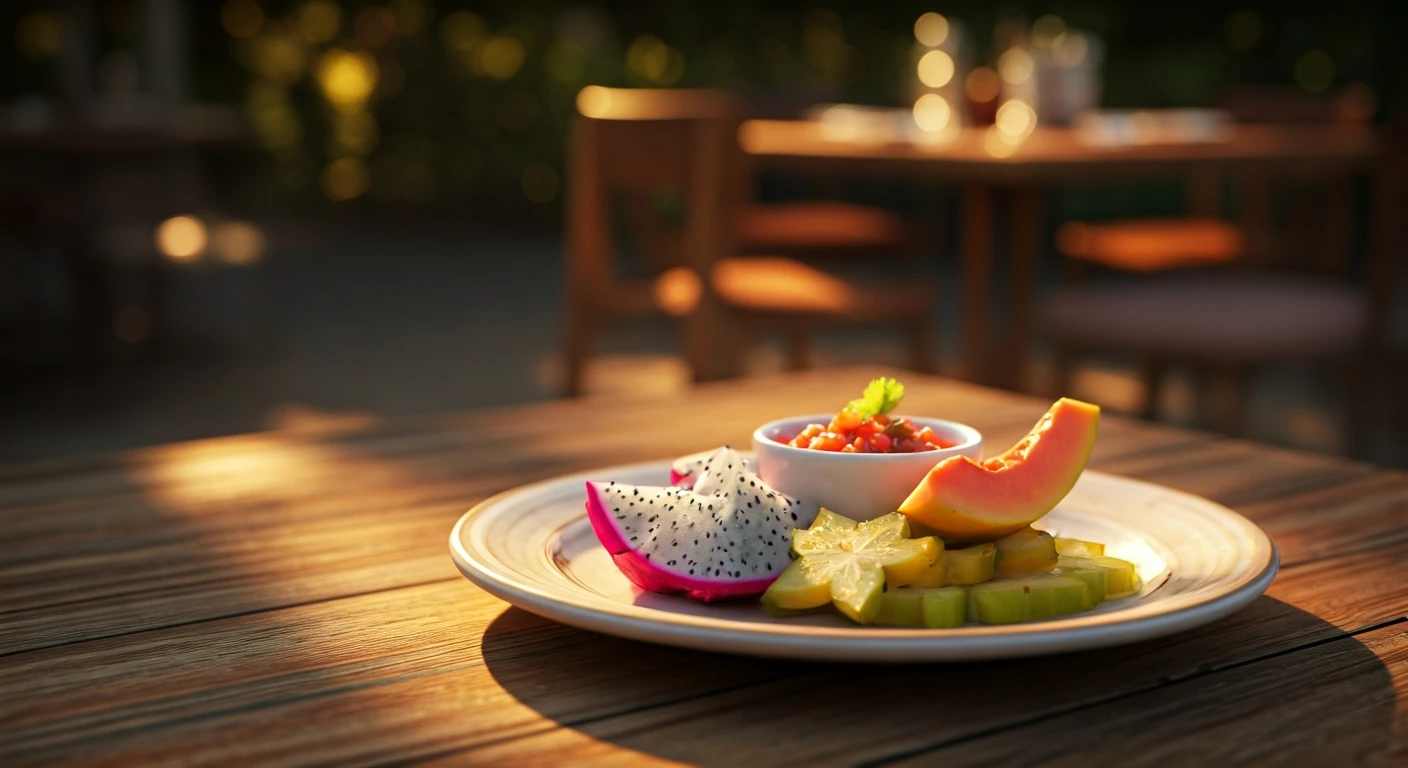
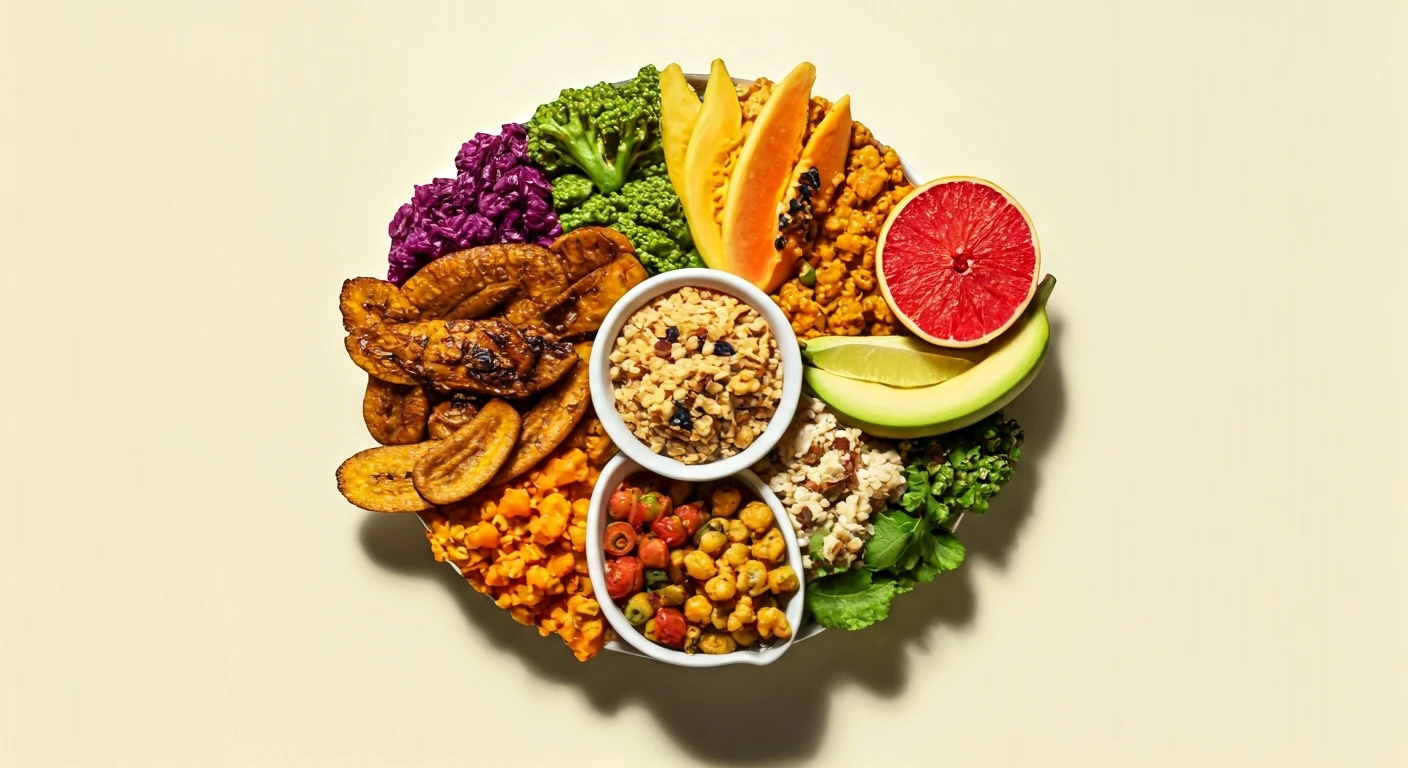
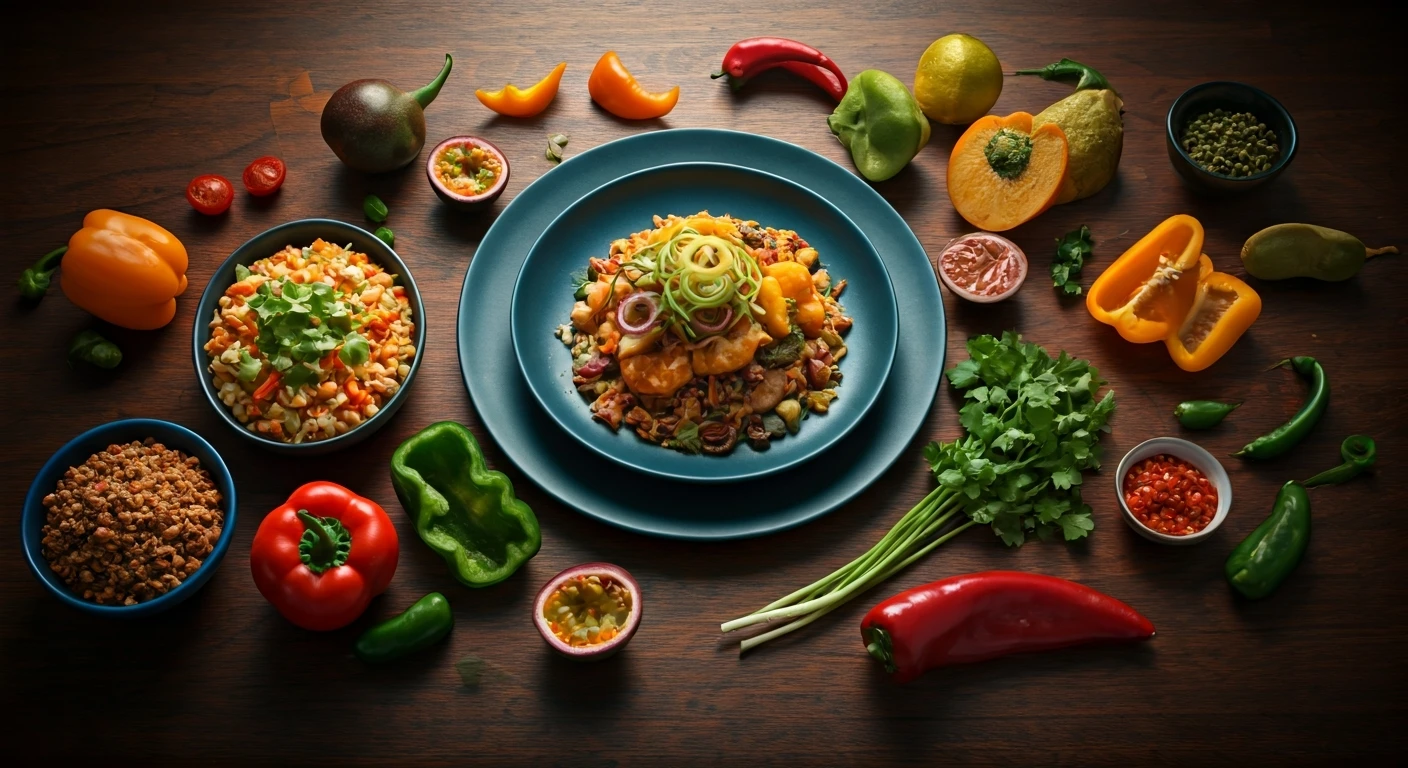
The Caribbean is getting a similar, long-overdue re-examination. For too long, its diverse culinary traditions were flattened into a single "jerk chicken" stereotype. Today's chefs are digging deeper. They’re exploring the rich stews of Trinidad and Tobago, the elegant seafood preparations of Barbados, and the layered, savory flavors of Puerto Rican mofongo. Instead of just a wall of heat, they’re showcasing the complexity of regional spice blends and techniques. Jackfruit is moving beyond its role as a simple vegan meat substitute and being celebrated in its own right in savory stews and curries. Passion fruit, guava, and mango aren't just for sweet drinks anymore; they're providing acidic, floral counterpoints in ceviches, glazes for roasted meats, and sophisticated desserts that taste like sunshine on a plate.
Why Now? The Perfect Storm
Several forces converged to fuel this tropical wave. First, a generation of immigrant chefs and their children have come of age, armed with classical training but a fierce pride in their own culinary roots. They no longer see French or Italian food as the only path to critical acclaim. Second, social media has made diners more visually adventurous. The electric purple of ube and the brilliant orange of passion fruit are made for the feed, creating a curiosity that gets people in the door. Finally, the American palate has evolved. After years of being introduced to Sriracha, gochujang, and fish sauce, diners are more receptive to the funky, fermented, and sour notes that are central to many tropical cuisines. It's a perfect storm of cultural pride, digital exposure, and a public that’s finally ready to embrace the heat—and the heart.