


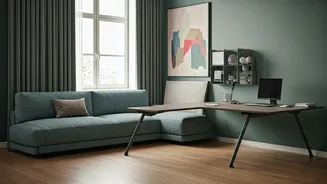

Beyond the ‘Man Cave’
Forget the basement bar or the she-shed. The concept emerging in many modern Indian households is the 'reset zone'—a space designed not for distraction, but for deliberate disconnection. It’s less about a hobby and more about a state of being. This isn't
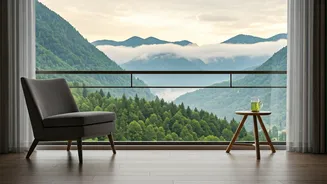
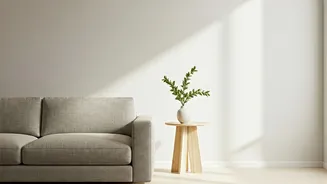
just a comfortable armchair with a good lamp. It’s an intentional corner, nook, or even an entire room dedicated to mental and spiritual recalibration. Think of it as a personal decompression chamber, engineered to buffer the soul from the relentless pace of the outside world. In these spaces, the goal is to shed the day's stress, quiet the mind, and recharge, making the home a true sanctuary rather than just a base of operations for a busy life.
A Reaction to Modern Pressures
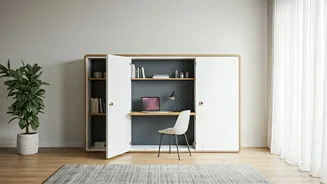
So, why now? This trend is a direct response to several converging forces shaping modern India. First, rapid urbanization has packed millions into dense, high-energy cities where personal space is a premium and quiet is a luxury. The constant sensory overload of city life in Mumbai, Delhi, or Bengaluru creates a deep-seated need for an escape. Second, the global pandemic fundamentally altered the relationship with our homes. For many, the lines between office, school, and living space blurred into a stressful, unending loop. The push to create reset zones is a conscious effort to reclaim a part of the home for pure personal well-being, pushing back against the 'always-on' culture that lockdown life amplified. It’s a quiet rebellion against the home-as-office and a return to the home-as-haven.
Ancient Wisdom Meets Modern Design
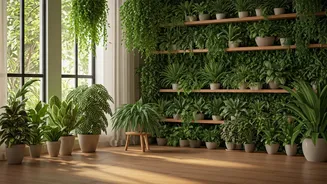
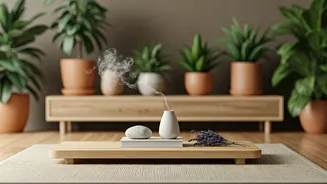
What makes these spaces distinctly Indian is the seamless blend of contemporary wellness trends with ancient traditions. Designers and homeowners are drawing on Vastu Shastra, the ancient Indian system of architecture and design that emphasizes harmony with natural forces. This translates into specific choices: positioning a meditation corner in the northeast for tranquility, using natural materials like wood, stone, and cotton, and ensuring a flow of natural light and air. Biophilic design—the integration of nature—is huge, with balconies turning into lush green oases and indoor plants becoming non-negotiable decor. These modern spaces often incorporate elements of a traditional *puja* (prayer) room, but with a secular or more broadly spiritual focus: a spot for yoga, a plinth for mindful tea, or simply a cushion for quiet contemplation. It’s spirituality, repackaged for a new generation.
It's a Mindset, Not Just an Aesthetic
Ultimately, the rise of the reset zone is more than an interior design trend; it's a cultural shift. It signifies a move towards prioritizing mental health and conscious living. Where success was once measured purely by external markers of career and social life, there's a growing recognition of the importance of an 'inner scorecard.' Creating a physical space for this purpose is a tangible commitment to that priority. It’s a declaration that rest is not laziness, but a vital component of a productive, fulfilling life. These zones are device-free by design, encouraging a digital detox that has become increasingly necessary. In a way, they are the physical manifestation of a new-age mindfulness, built into the very architecture of daily life.