


The Gateway to the Glaciers
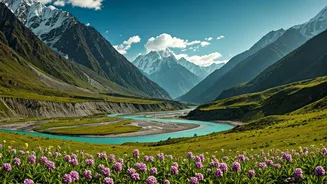
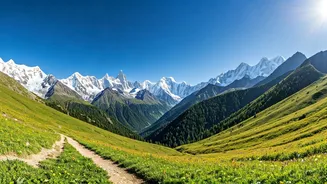
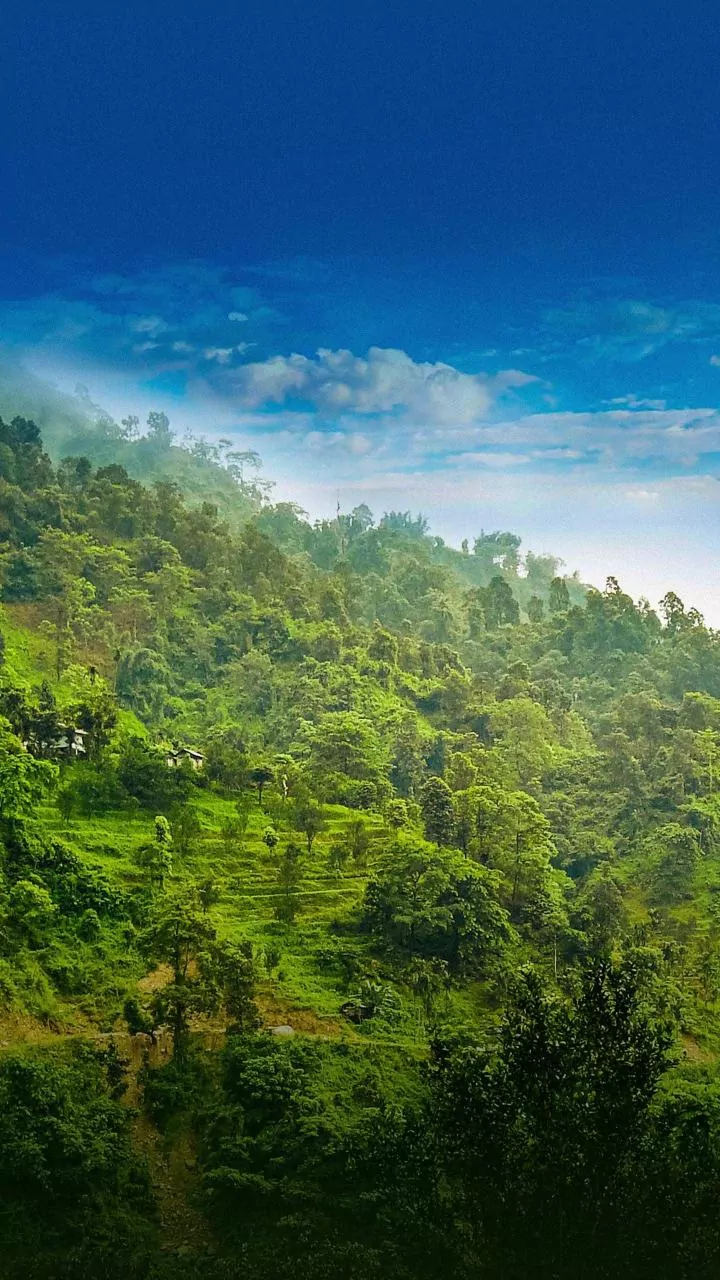
Nestled in the remote Kumaon region of Uttarakhand, India, Munsiyari has long been revered as ‘The Place of Snow.’ It’s a sleepy town that serves as the last bastion of civilization before the high-altitude trails leading to the Milam and Ralam Glaciers.
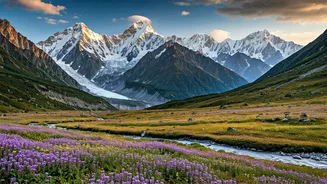
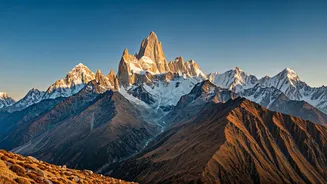
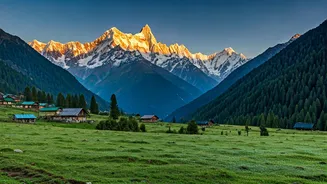
For decades, its primary draw was its staggering, panoramic view of the Panchachuli peaks—a jagged quintet of snow-capped mountains that dominate the skyline. Travelers came here for serenity, for crisp mountain air, and for the starting point of some of the most grueling and rewarding treks in the Himalayas. The town’s rhythm was slow, dictated by the seasons and the flow of mountaineers and pilgrims. It was beautiful, peaceful, and, for the adrenaline-seeker, perhaps a little too quiet.
A River's Thundering Call
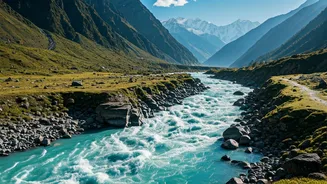
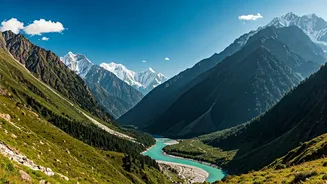
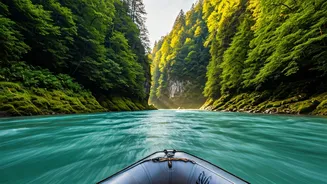
Flowing directly from the Milam Glacier, past Munsiyari, is the Gori Ganga. Its name translates to ‘White River,’ a nod to the frothy, sediment-rich glacial melt that gives it a pale, turbulent appearance. This isn't a lazy, meandering waterway; it's a quintessential Himalayan river, carving a deep, dramatic gorge through the mountains. For years, the Gori Ganga was seen as a formidable natural barrier, a powerful feature of the landscape to be respected from a distance. Its rapids were legendary among locals, but the logistics of navigating its remote and challenging stretches kept it off the mainstream adventure map. But where some see an obstacle, others see an opportunity for one of the world's great river expeditions.
Taming the White Water
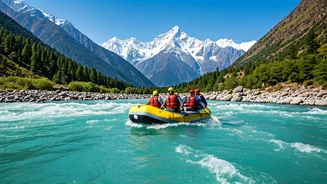
The recent push to establish commercial rafting expeditions on the Gori Ganga has fundamentally changed Munsiyari’s identity. Spearheaded by seasoned Indian adventure travel companies, multi-day rafting trips are now a reality. These are not casual afternoon floats. A typical expedition on the Gori Ganga is a 4- to 5-day affair, covering significant mileage through a gauntlet of Class III and IV+ rapids. Sections of the river are technical and demanding, requiring experienced guides and a spirit of true adventure from participants. The journey takes rafters through breathtaking, isolated canyons accessible only by water, with nights spent camping on pristine, sandy beaches under a canopy of stars untouched by city lights. It’s an immersive, committing experience that rivals legendary river runs in Nepal or the American West.
More Than Just a River Trip
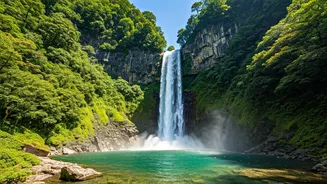
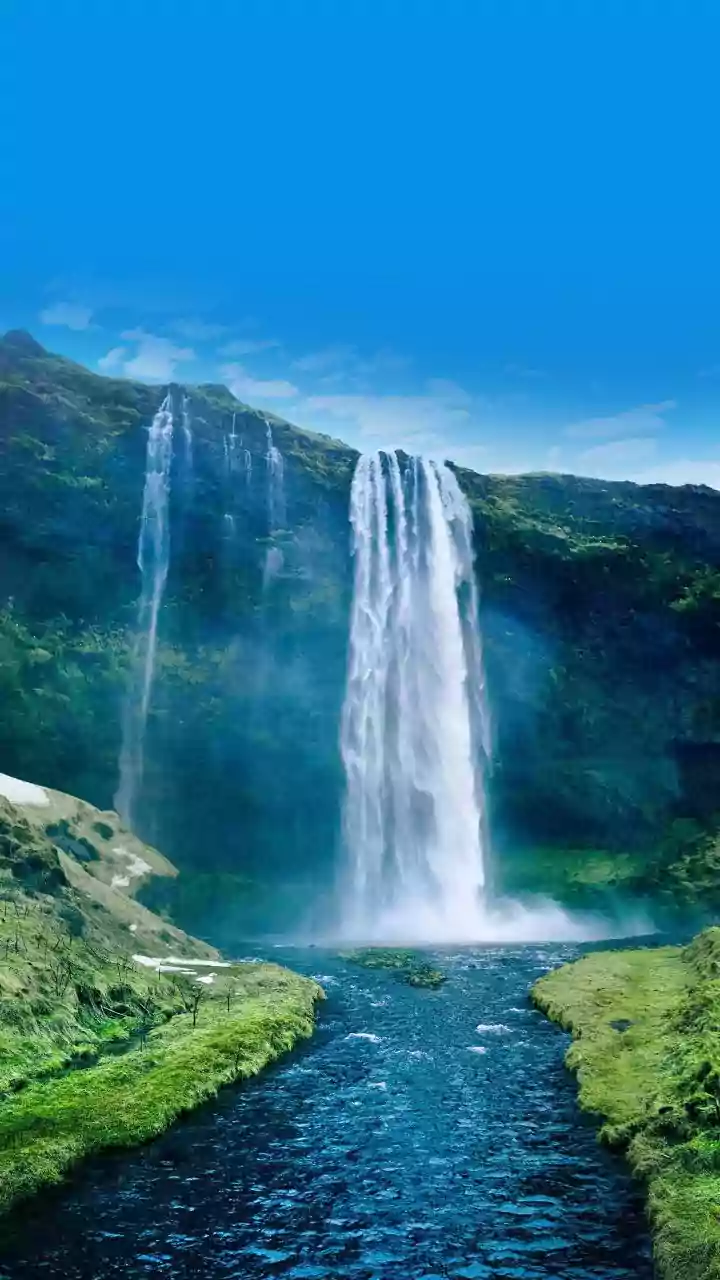
What makes the Gori Ganga expedition so compelling is that it’s more than just a sequence of rapids. It’s a full-blown Himalayan adventure. The journey is a portal into a world few get to see. You'll pass remote villages clinging to steep hillsides, witness a landscape dotted with waterfalls cascading hundreds of feet into the gorge, and experience the profound silence of the wilderness, punctuated only by the river's roar and the call of birds. The experience combines the high-octane thrill of whitewater with the soul-stirring peace of being truly remote. It complements Munsiyari’s existing appeal, creating a destination that now offers the best of both worlds: the meditative calm of the mountains and the heart-pounding rush of the river.
Planning Your Himalayan Plunge
For the American traveler intrigued by this new frontier, a trip requires some planning. The rafting season is typically short, running from October to November, after the monsoon subsides and before winter's deep chill sets in. While you don’t need to be a pro-level kayaker, prior rafting experience and a good level of physical fitness are highly recommended. Getting to Munsiyari is an adventure in itself, usually involving a flight to Pantnagar or a train to Kathgodam, followed by a long, winding, and incredibly scenic multi-day drive into the mountains. This journey is part of the appeal, filtering out casual tourists and ensuring that those who arrive are truly seeking an authentic experience.