




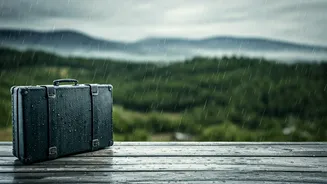
The New 'Is It Open?' Anxiety
You’ve checked the hours online. You’ve booked the tickets. You’ve packed the car. And yet, a nagging feeling lingers until you’re physically standing at the entrance: Is it actually open? This low-grade anxiety has become a default feature of modern
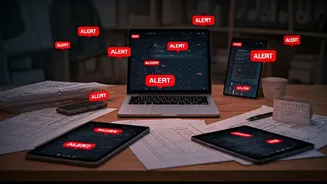
life. Whether it’s a favorite restaurant suddenly closed due to a staffing issue, a hiking trail shut down by wildfire risk, or a flight canceled by a system meltdown, the potential for disruption feels higher than ever. Our phones, once simple communication tools, are now delivery systems for a steady diet of alerts that can upend a day, a weekend, or a long-awaited vacation. This isn't just about inconvenience; it's a fundamental shift in how we plan and experience the world. The modern itinerary isn't just a schedule; it’s a living document, subject to change with every push notification.
Why Everything Feels So Fragile
It’s not your imagination; things are more precarious. A cocktail of factors has weakened the systems we once took for granted. The pandemic was a major catalyst, exposing vulnerabilities in supply chains and permanently altering the labor market. Many service industries, from airlines to restaurants, still grapple with unpredictable staffing shortages, leading to reduced hours or sudden closures. At the same time, the increasing frequency of extreme weather events—wildfires, hurricanes, atmospheric rivers, heat domes—has made nature a far more disruptive force. Parks close, roads flood, and power grids fail with alarming regularity. Add in America’s aging infrastructure, which can lead to unexpected bridge closures or boil water advisories, and you have a perfect storm of uncertainty. The result is a world where the 'open' sign feels less like a guarantee and more like a hopeful suggestion.
Mastering the Art of the Pivot
If the problem is constant uncertainty, the solution is radical flexibility. The key to sanity in this new environment is to stop treating a disrupted plan as a failure. Instead, think of it as an invitation to pivot. The most resilient planners among us are already building contingency into the core of their itineraries. A ‘Plan B’ is no longer a pessimistic afterthought; it’s a strategic necessity. This mindset shift is crucial. Instead of focusing on a single, perfect outcome—the specific restaurant, the exact hiking trail—the goal becomes the experience itself. Want a great meal out? Have three places in mind. Planning a day outdoors? Know the best park, a great indoor museum, and a cozy coffee shop as alternatives. This approach reduces the sting of a closure alert from a day-ruining catastrophe to a simple course correction.
Your New Essential Toolkit
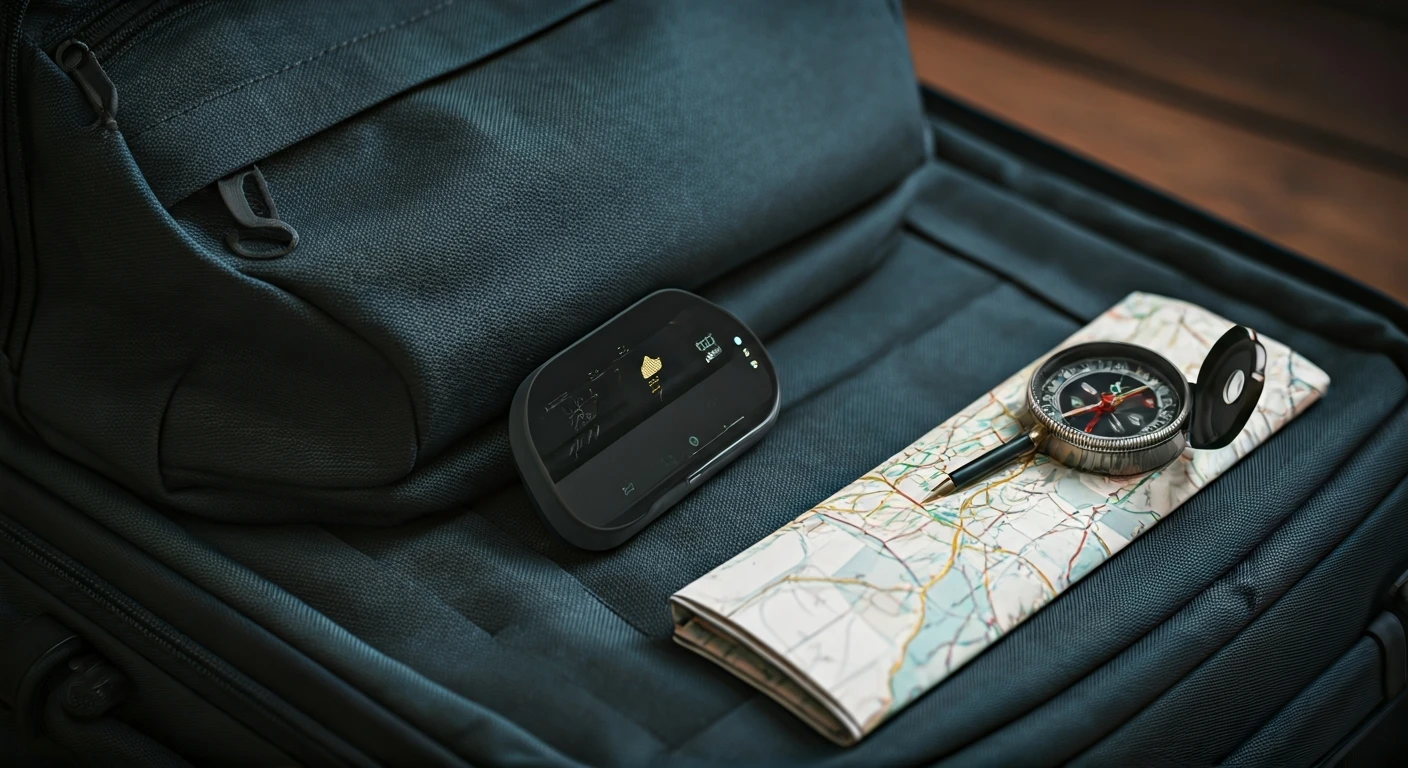
Adapting to this reality requires a new set of tools and habits. Your smartphone is both the source of the problem and the key to the solution. Before you go anywhere, a quick digital check-in is the new norm. Don’t just rely on Google Maps; check the official source. This means bookmarking the official social media accounts or websites for parks, venues, and transit authorities, as they often have the most up-to-the-minute information. For restaurants, especially on high-traffic nights, an old-fashioned phone call is still your most reliable tool. Apps that aggregate data, like flight trackers (FlightAware), traffic monitors (Waze), and weather alerts (The Weather Channel), are indispensable. The goal isn't to eliminate all surprises—that's impossible. It's to arm yourself with enough information to make a quick, informed pivot when your original plan goes sideways.