

A Crispy, Cheesy Introduction
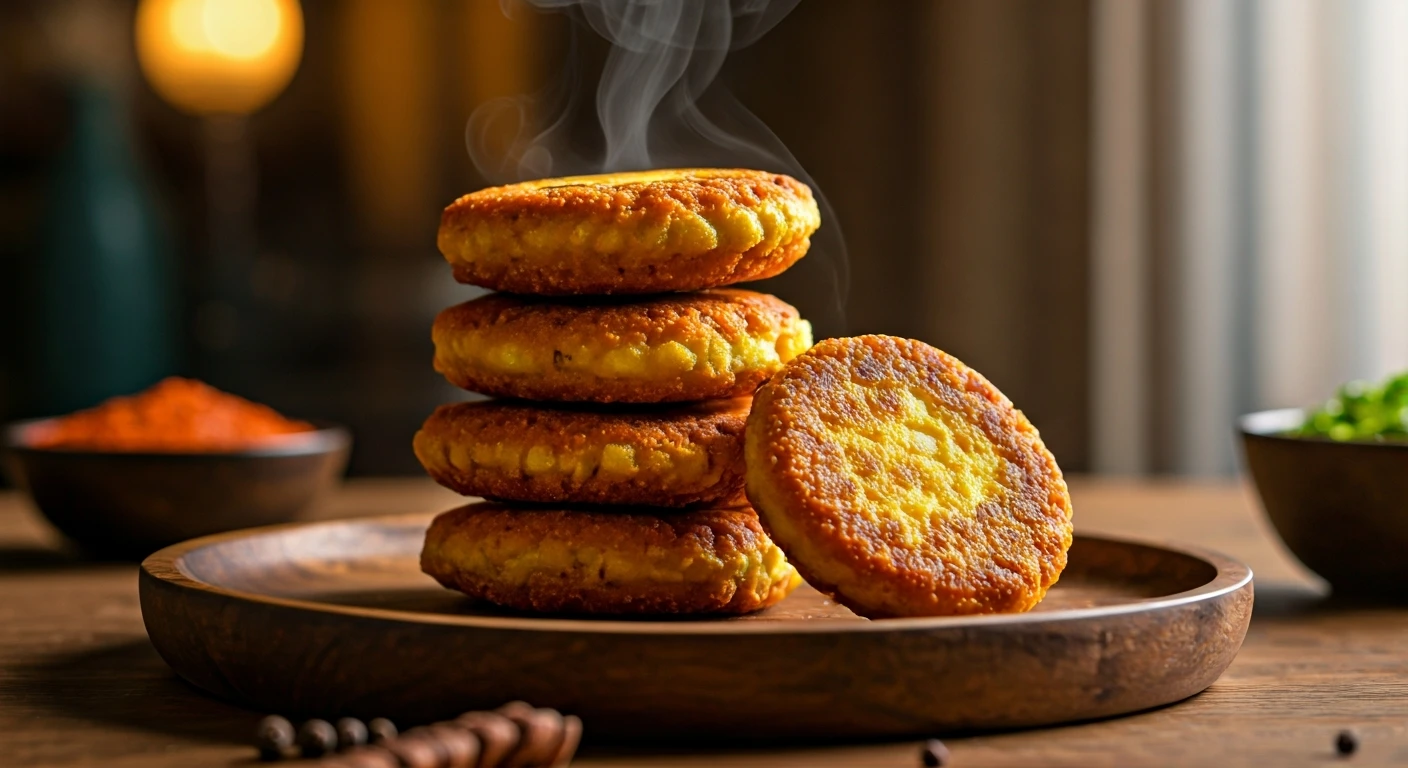
Let’s get the basics out of the way. A paneer pakora is, at its core, a marvel of simple culinary engineering. It starts with paneer, a fresh, firm, non-melting Indian cheese with a mild, milky flavor. Think of it as a culinary cousin to tofu in texture
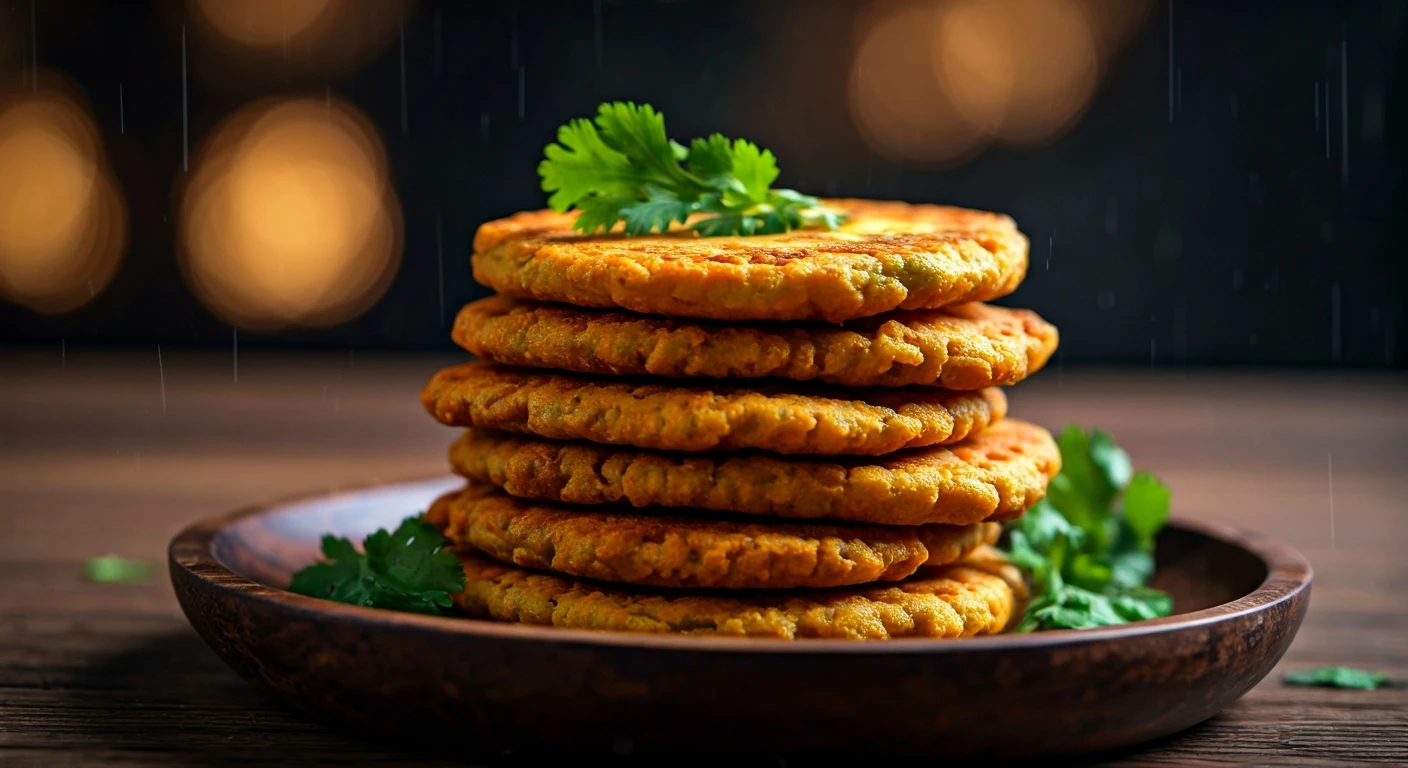
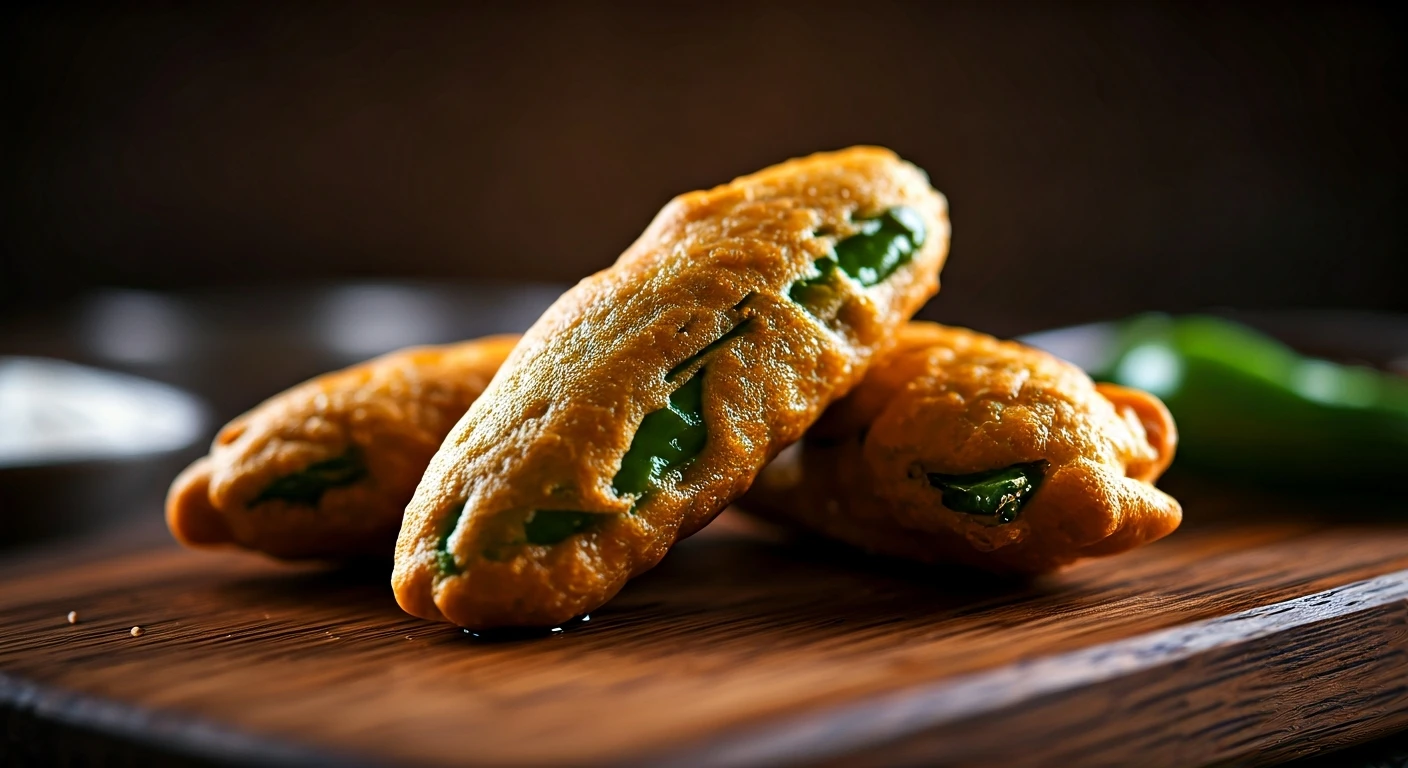
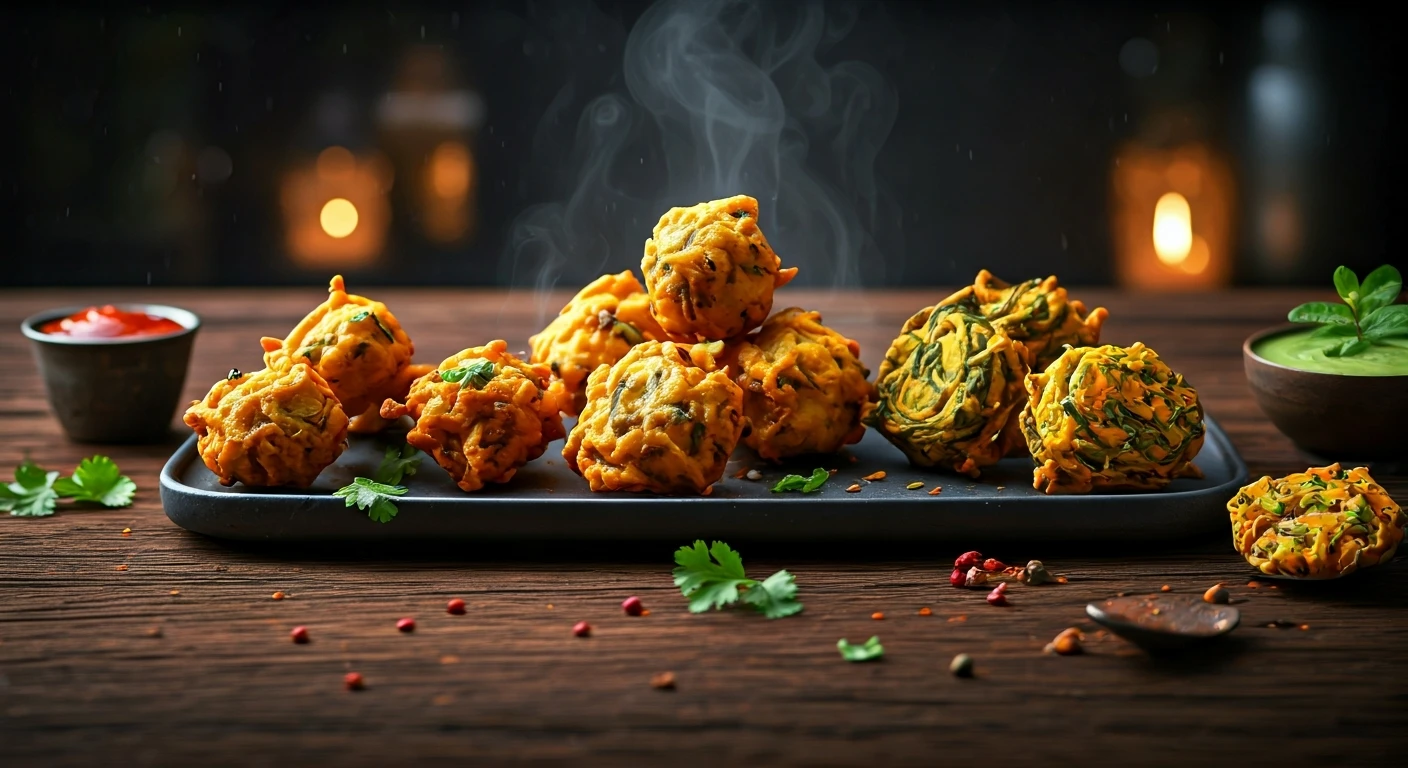
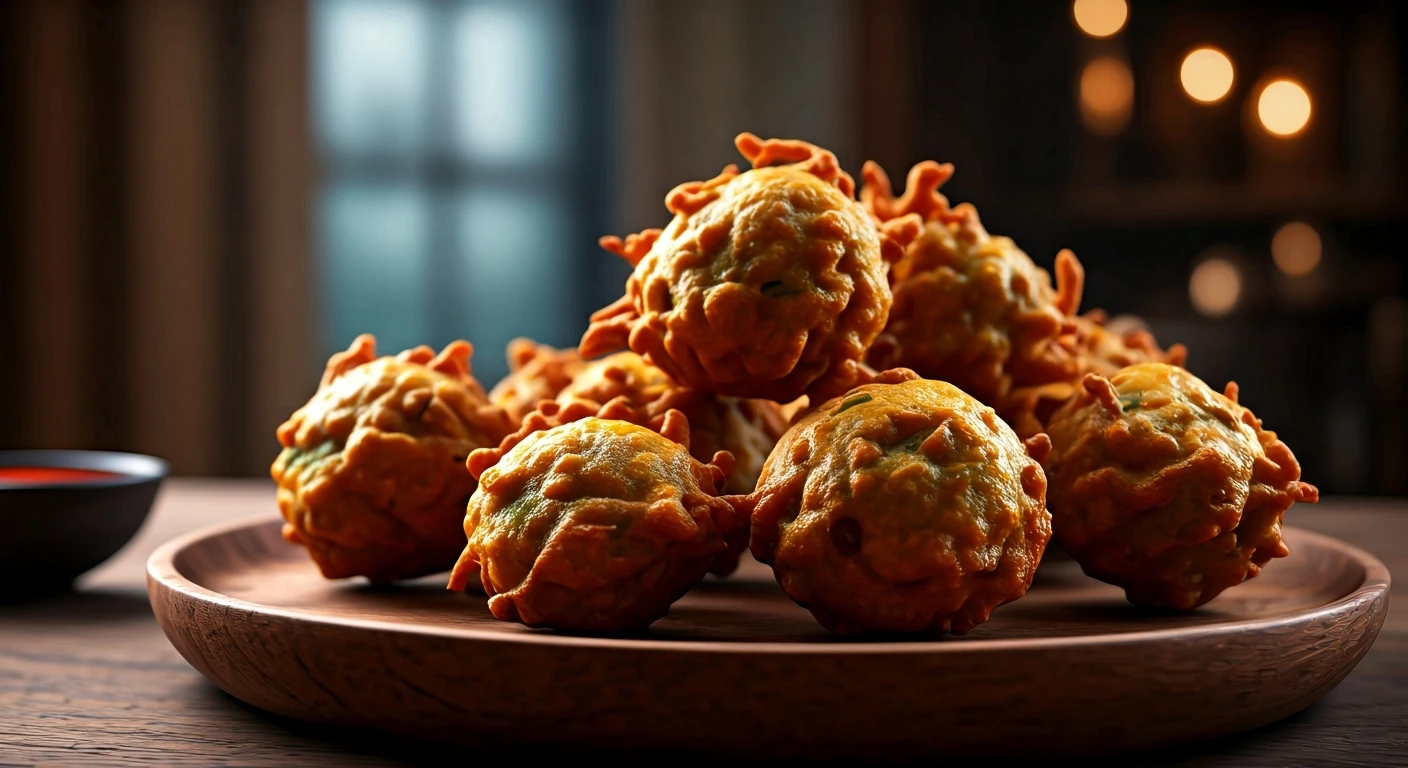
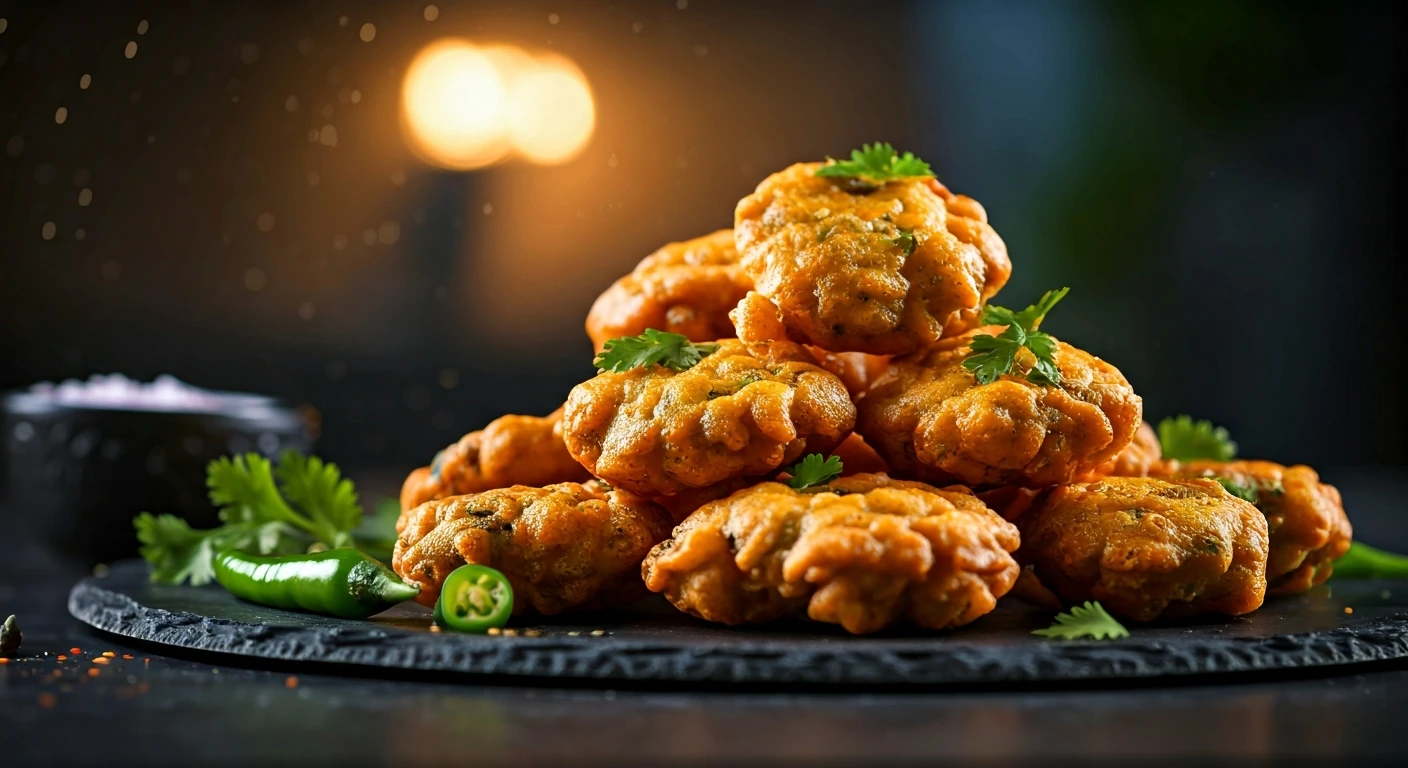
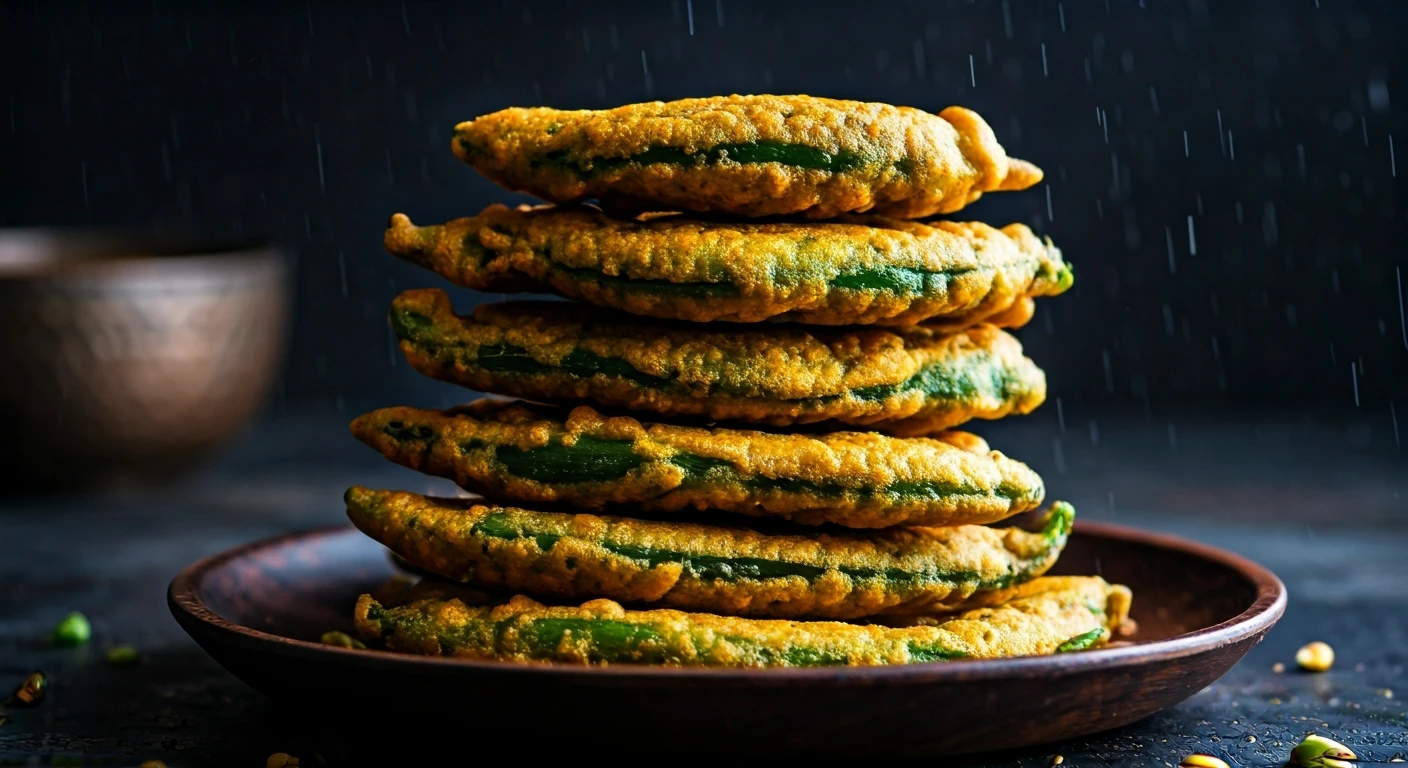
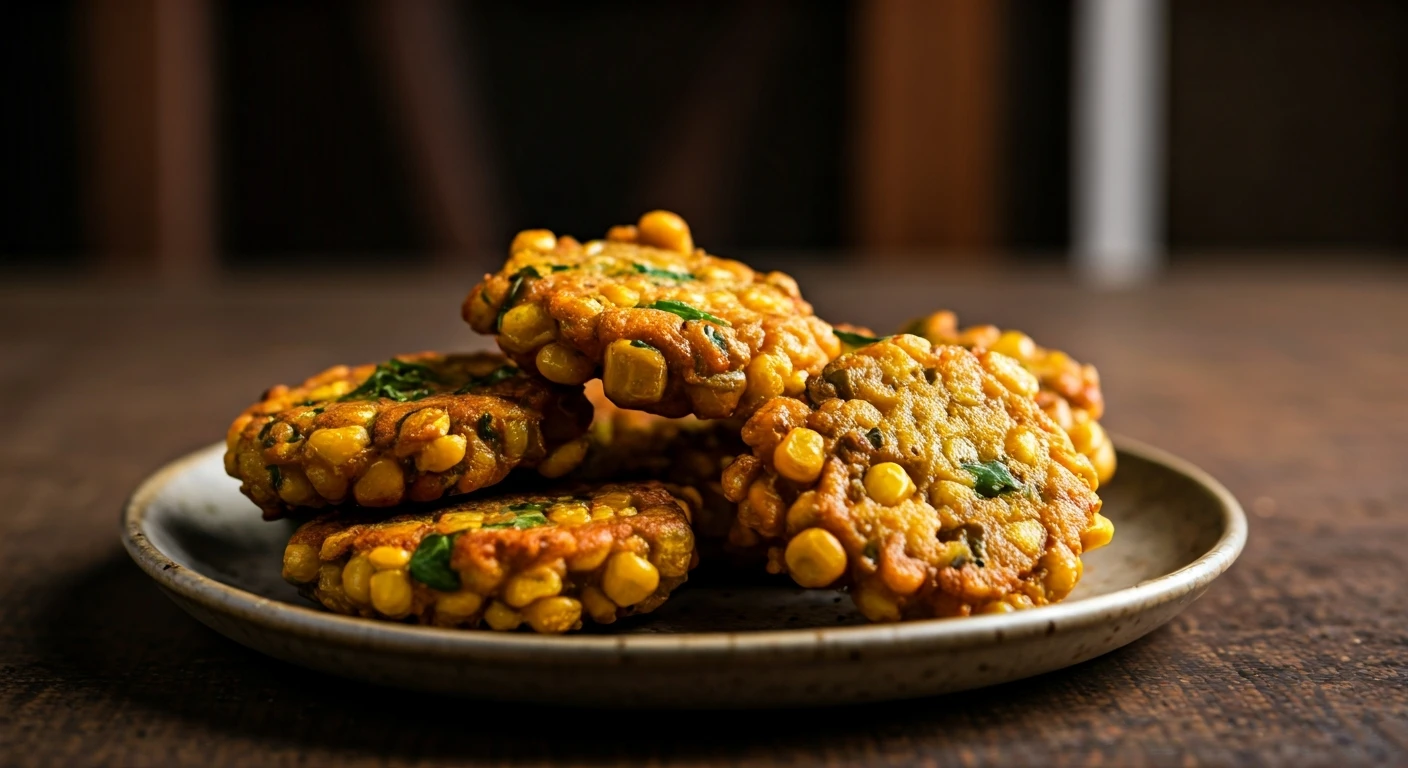
but with a dairy-rich taste. These cubes of paneer are dunked into a thick, savory batter made from besan (chickpea flour), which has an earthy flavor all its own. This batter isn’t just flour and water; it's seasoned with a symphony of spices—often including turmeric for color, ajwain (carom seeds) for a unique, pungent note, and a pinch of red chili powder for a gentle warmth. Then, each piece is plunged into hot oil until it becomes a golden-brown nugget of pure joy. The outside is shatteringly crisp, while the inside holds a block of warm, soft, slightly squeaky cheese. It’s a study in contrasts that hits every pleasure sensor in your brain.
More Than Just a Rainy Day Snack
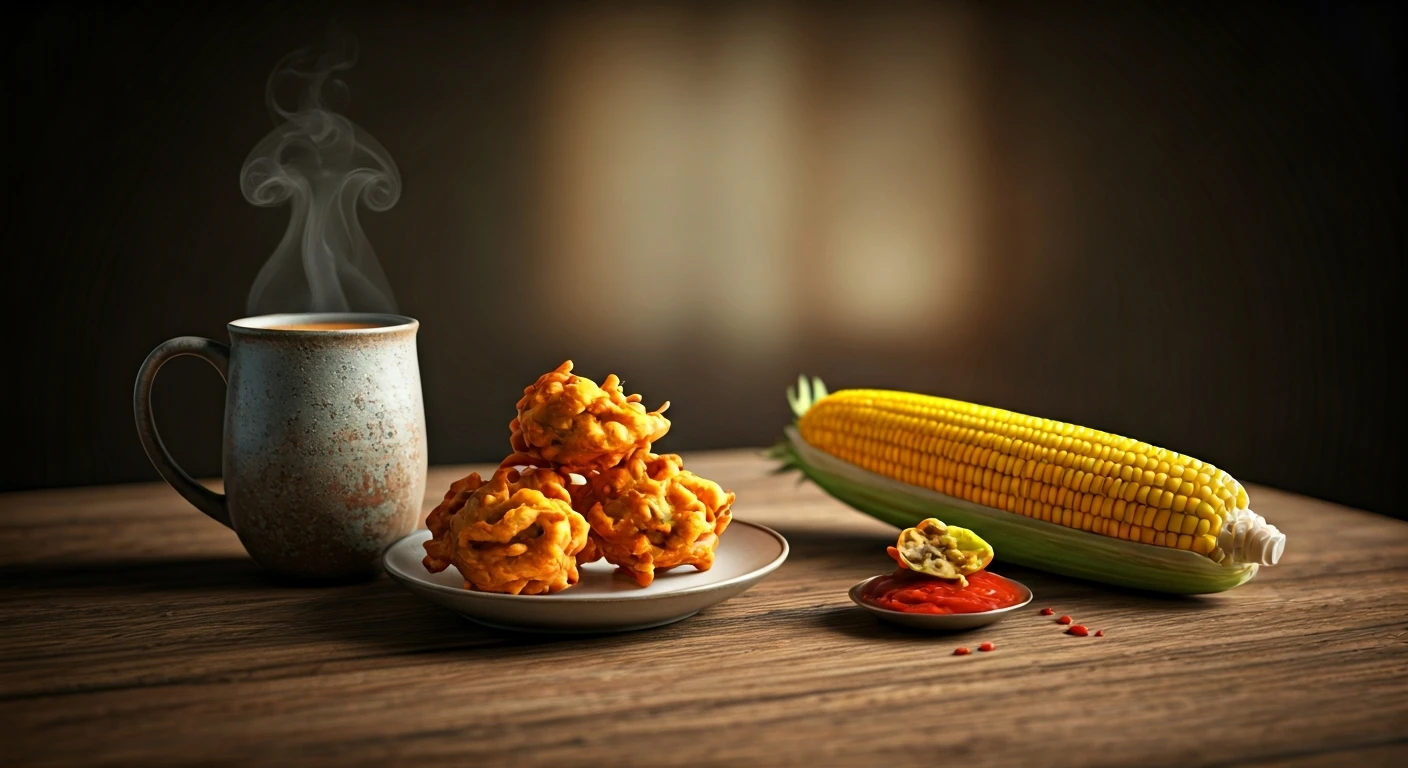
To call a pakora a simple rainy-day snack in India is like calling a Thanksgiving turkey “just a bird.” The connection is far deeper and more culturally resonant, tied specifically to the monsoon. The Indian monsoon isn't a week of gray drizzle; it’s a season, a dramatic, life-altering weather phenomenon that breaks the oppressive heat of summer. When the skies finally open up, there's a collective sigh of relief, an almost festive atmosphere. And with that atmosphere comes a craving. The cool, damp air practically begs for something hot, oily, and fried. The sound of rain drumming on a tin roof becomes the natural soundtrack for the sizzle of pakoras hitting hot oil. Paired with a small, steaming glass of sweet and spicy masala chai, it’s not just a snack; it’s a ritual. It’s the official taste of monsoon season, a multisensory experience shared in homes and street-side stalls across the country.
Translating the 'Hug' Factor
So what makes it “hug food”? The magic lies in how it translates that specific cultural moment into a universal feeling of comfort. You don't need a full-blown monsoon to appreciate it. Think about any bleak, dreary day—a damp November afternoon in Chicago, a foggy morning in San Francisco. Your body instinctively craves warmth and energy. Paneer pakoras deliver on every front. The crisp, fried exterior provides that satisfying crunch and richness our brains are hardwired to love. The chickpea flour offers a complex, savory flavor that’s more interesting than a simple wheat-based batter. And the warm, dense paneer inside feels substantial and nourishing. It’s the perfect combination of fat, salt, and warmth, a trifecta of comfort that feels like a weighted blanket for your soul. It’s a food that tells you to slow down, get cozy, and just enjoy the moment.
Beyond the Plate, It's a Mood
Perhaps the most important part of the “hug” is that paneer pakoras are rarely a solitary food. They are meant for sharing. They appear on a communal plate, still glistening from the fryer, piled high for everyone to grab. They are finger food, encouraging a casual, intimate style of eating. The experience is about gathering with family or friends, stealing the last one from the plate, and sipping chai while the world outside is wet and gray. It’s a food that creates a pocket of warmth and community. Eating them alone at your desk feels fundamentally wrong. They demand a pause. They ask you to stop what you're doing, look out the window at the rain, and share a simple, perfect moment of deliciousness with someone else. That, more than anything, is the embrace.