







The All-or-Nothing Fitness Trap
For decades, the prevailing wisdom has been that a “real” workout is a monolithic, 60-to-90-minute block of time spent at a gym. You commute there, change, work out, shower, change back, and commute home. This all-or-nothing approach creates a high barrier
to entry. If you can’t carve out that huge chunk of time, it feels like a failure, and the default option becomes doing nothing at all. For anyone tethered to a traditional 9-to-5 schedule, squeezing this ritual in before or after a long workday feels less like self-care and more like a second job. The result is predictable: abandoned New Year's resolutions, dusty dumbbells, and a lingering sense of guilt.
The Power of 'Exercise Snacking'
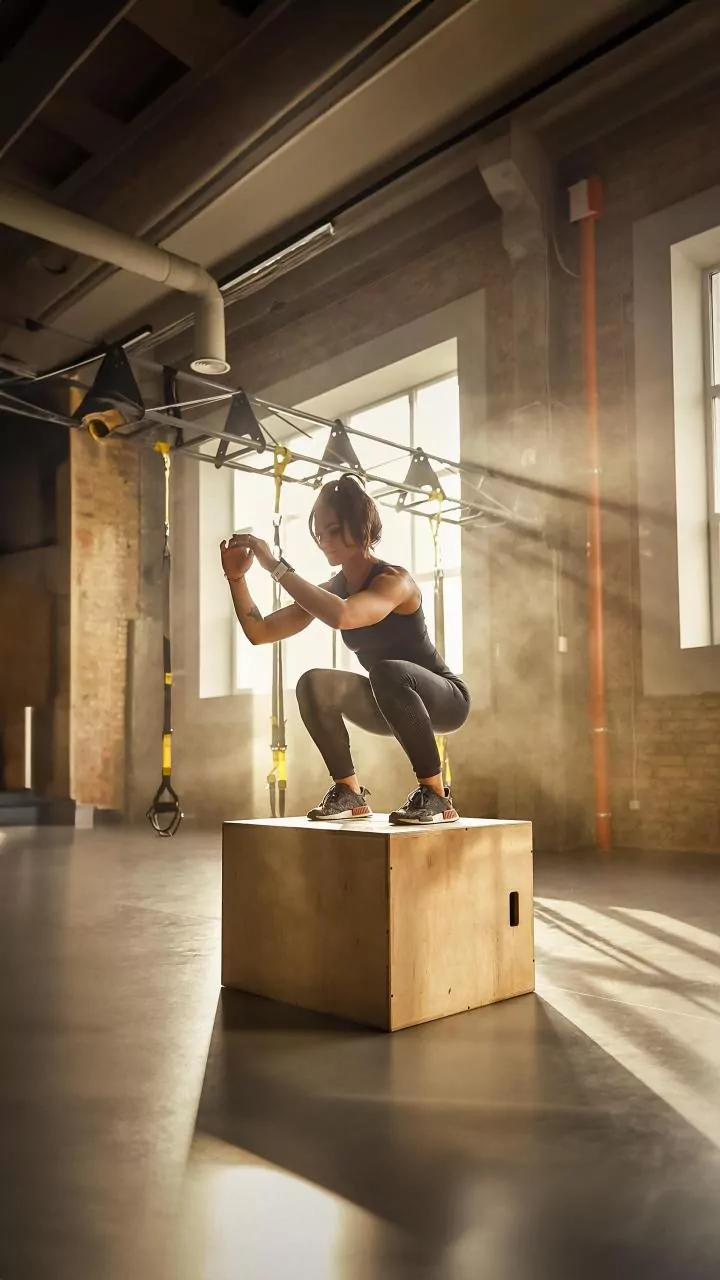
Instead of marathon sessions, successful freelancers are embracing “exercise snacking.” The concept is simple: sprinkle short bursts of activity, from five to 15 minutes, throughout the day. It’s a shift from viewing exercise as a single event to treating it as an integrated part of your daily rhythm. The science backs this up. Studies have shown that these micro-workouts can be surprisingly effective, improving cardiovascular health, boosting metabolism, and enhancing mood and focus. A 10-minute burst of intense activity can wake up your brain better than a cup of coffee, and multiple short sessions can accumulate to offer similar benefits to one long workout, but with better consistency.
The Freelancer's Real Advantage: Autonomy
The secret isn’t that freelancers have more free time—many work longer and more irregular hours than their corporate counterparts. Their advantage is autonomy. A freelance writer can hammer out a draft, then spend 10 minutes with a kettlebell before their next client call. A graphic designer can use the time a large file is rendering to do a few sets of push-ups and planks. This isn't possible when you're in an open-plan office or back-to-back meetings. By controlling their own schedules, freelancers can break their day into focused blocks of work and restorative blocks of movement. They are replacing the rigid, time-consuming gym ritual with something more fluid, sustainable, and built directly into their workday.
How to Build Your Own Micro-Workout Routine
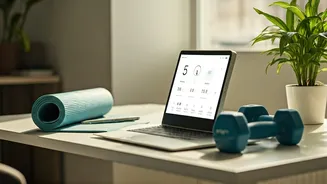
You don't need to be a freelancer to adopt this mindset. The key is to identify small pockets of time and have a plan. Start by aiming for three 10-minute sessions a day. Morning (9 AM): Before diving into your biggest task, do a 10-minute mobility and activation routine. Think bodyweight squats, arm circles, and cat-cow stretches to wake up your body. Midday (1 PM): After lunch, fight the afternoon slump with a 10-minute cardio burst. This could be jumping jacks, high knees, burpees, or even a brisk walk up and down a few flights of stairs. End of Day (4 PM): As you wrap up work, do a 10-minute strength circuit. Alternate between push-ups (on knees or toes), planks, and lunges. Keep a yoga mat or a pair of dumbbells in the corner of your home office to eliminate friction. The goal is to make it so easy to start that you can’t say no.
Consistency Over Intensity
The beauty of the short workout philosophy is that it prioritizes consistency over intensity. One perfect, grueling workout every two weeks is less effective than 15 minutes of decent-effort movement every single day. By lowering the bar for what “counts” as exercise, freelancers are actually raising their overall activity level. They are escaping the boom-and-bust cycle of motivation that plagues so many people. This approach builds a foundation of movement that becomes a non-negotiable part of the day, as routine as checking email—but infinitely better for your physical and mental well-being.