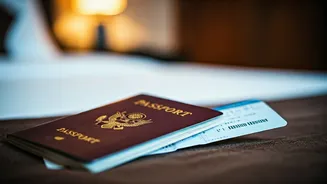








The Rise of the 'Micro-Cation'
A major shift is underway in how Indians are thinking about leisure. The traditional model—saving up leave days and money for one or two extensive trips a year—is being replaced by a more agile approach. Enter the 'bite-sized' vacation, also known as
the 'micro-cation.' These are short, frequent trips, typically lasting two to five days, often built around a long weekend. Instead of a single, 15-day marathon journey, a growing number of Indian travelers, particularly young professionals and families in urban centers, are opting for four or five shorter, more intense bursts of travel throughout the year. Travel industry reports from firms like SOTC and Thomas Cook India confirm this trend, noting a significant surge in demand for getaways that don't require taking more than a day or two off from work.
Economic Aspiration Meets Digital Influence
So, what’s driving this fundamental change? It’s a perfect storm of economic and cultural factors. At the forefront is India's expanding middle class, a demographic with newfound disposable income and a powerful desire for new experiences. Unlike previous generations who may have prioritized saving for tangible assets, younger Indians are key participants in the global 'experience economy.' They would rather spend on creating memories, and social media is the ultimate amplifier. An Instagram feed filled with friends’ weekend trips to the mountains or a coastal retreat creates a powerful sense of FOMO (fear of missing out), encouraging more people to book their own quick escapes. This isn't just about showing off; it's about participating in a modern, aspirational lifestyle where travel is a regular feature, not a rare event.
The New Realities of Work and Wellness
The changing nature of work is another critical piece of the puzzle. While remote and hybrid work models offer flexibility, they've also blurred the lines between personal and professional time, leading to higher rates of burnout. For many, a short, sharp break from the routine is more practical and mentally restorative than waiting months for a long vacation. These micro-cations act as a pressure-release valve. Furthermore, the post-pandemic era supercharged this mindset. After years of lockdowns, the initial 'revenge travel' boom—a rush to make up for lost time with big trips—has settled into a more sustainable, long-term habit. People realized they didn't want to wait to live their lives, and frequent, smaller adventures became the new, more accessible norm.
How 'Bite-Sized' is Reshaping Tourism
This trend isn't just a behavioral quirk; it's reshaping the tourism industry in India and beyond. Domestically, there's been an explosion in the popularity of destinations within a few hours' drive or a short flight from major cities. Hill stations, beach towns, and wildlife sanctuaries that were once weekend-only spots are now bustling year-round. Airlines are offering more competitive fares on short-haul routes, and boutique hotels and homestays are thriving by catering to this new breed of traveler who values unique, curated experiences over standardized luxury. The focus is on maximizing the short time available—think pre-planned itineraries, adventure sports packages, and wellness retreats condensed into a 72-hour format. This is a high-yield, high-frequency model that is proving incredibly lucrative.