


More Than Just a Fruit
In the U.S., a mango is a sweet, vaguely tropical addition to a smoothie or salsa. In India, it's a national obsession, a symbol of summer, and a subject of poetry. For centuries, the mango has been woven into the fabric of daily life. Its shape inspires
paisley patterns, its blossoms are offered in religious ceremonies, and its arrival each spring is met with a feverish excitement that’s hard for outsiders to comprehend. Gifting a box of the season’s first mangoes is a gesture of profound respect and affection. Families have their favorite varieties, and debates over which one reigns supreme are a passionate, multigenerational pastime. This isn’t just about eating a piece of fruit; it's about participating in a cultural ritual that marks the happiest, warmest time of the year.
The King of Mangoes (And Its Court)
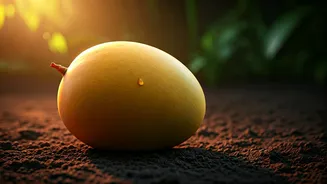
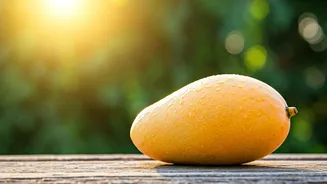
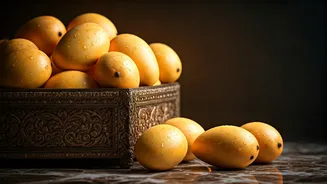
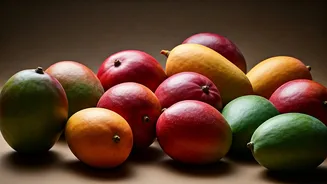
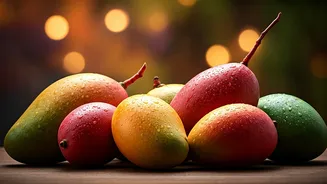
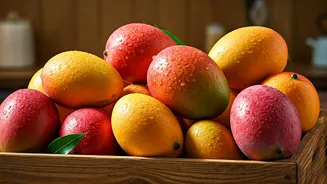
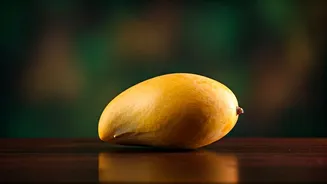
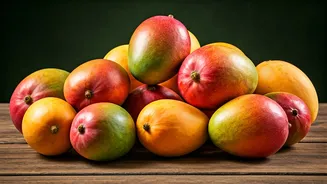
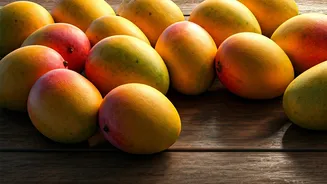
The mangoes you typically find in American grocery stores are likely the Tommy Atkins variety, chosen for its durability and long shelf life, not its flavor. It’s sturdy, mildly sweet, and often disappointingly fibrous. Indian mangoes are a different species of experience. The undisputed king is the Alphonso (or 'Hapus'). Grown primarily on the western coast of India, it’s a celestial fruit: creamy, non-fibrous, and possessing a complex flavor that combines notes of honey, citrus, and peach. Its skin blushes from green to a saffron-gold, and its fragrance can perfume a whole room. But the adventure doesn't stop there. There’s the Kesar, named for its saffron-colored pulp and intense sweetness, perfect for lassis. There’s the Banganpalli, a larger, paler, and more subtly sweet variety from the south. Each has a unique personality, a terroir, and a devoted following.
The Long Journey to America
For decades, this mango heaven was inaccessible to Americans. In 1989, the U.S. banned the importation of Indian mangoes over concerns about fruit flies and other pests. For Indian-Americans, it meant summers without a taste of home. For food lovers, it meant a world-class delicacy remained tantalizingly out of reach. It wasn't until 2007 that a solution was found. A deal was struck allowing the mangoes back into the country, provided they undergo irradiation treatment to neutralize any pests. This process, which uses gamma rays, doesn't affect the taste or nutritional value but adds a significant layer of cost and logistics. That's why these mangoes are so much more expensive and harder to find than their Central and South American cousins. Their rarity is part of their mystique; getting your hands on a box feels like a genuine score.
Your Mango Mission: A Field Guide
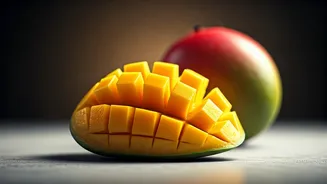
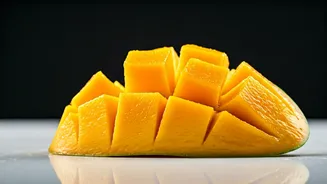
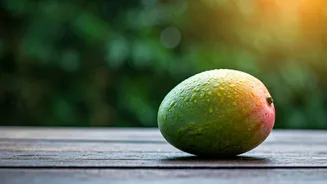
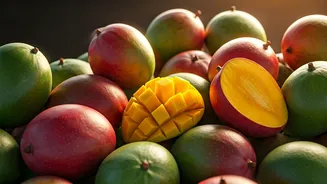
The great Indian mango hunt begins in late March and typically runs through June, depending on the year's harvest. You won't find them at your average Kroger or Safeway. Your mission, should you choose to accept it, involves a trip to a local Indian or South Asian grocery store. This is your best bet. During the peak season, you’ll see customers reverently inspecting cases, and the scent will be unmistakable. Some high-end specialty grocers or online importers also carry them, but be prepared for a premium price. Don't judge a mango by its color; some varieties stay green even when ripe. Instead, trust your nose and your hands. A ripe mango will be fragrant at the stem and give slightly to gentle pressure. Once you get them home, don’t refrigerate them until they are fully ripe. To eat one properly, slice off the 'cheeks' on either side of the flat central seed, score the flesh in a cross-hatch pattern, and push the skin from underneath to pop the cubes outward. No smoothie required—this is a fruit you eat on its own.