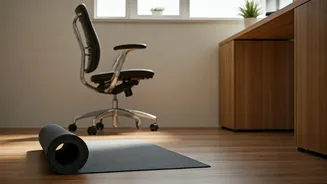









1. The 'Third Space' Transition
The commute once served as a natural buffer between work and home. For remote and hybrid workers, that boundary has dissolved. Newcomers are recreating it intentionally. This ritual, sometimes called creating a 'third space,' involves a specific, short
activity that signals the brain that the workday is officially over. It could be a 15-minute walk around the block (without checking emails), listening to a specific non-work podcast, or even just changing out of 'work clothes' into 'home clothes.' The key is consistency. The action itself doesn't matter as much as its function: a clear, psychological line drawn in the sand, preventing work stress from bleeding into personal time.
2. The Analog Hobby Revival
After a day spent staring at screens, the last thing your brain needs is more blue light. Younger employees are increasingly turning to tactile, analog hobbies that use their hands and a different part of their brain. Think pottery, knitting, painting, learning a musical instrument, or even tackling a complex cookbook recipe. These activities are powerful because they are 'flow states'—deeply immersive tasks that quiet the anxious, chattering part of our minds. They provide a sense of accomplishment completely separate from career metrics, rebuilding creative energy and providing a much-needed respite from digital overload.
3. Scheduled 'Do Not Disturb' Time
This isn’t just about putting the phone on silent; it’s about making a conscious, scheduled decision to be unreachable. Many are designating a specific one- or two-hour block each evening—say, from 7 p.m. to 9 p.m.—where their phone is not just silenced but physically out of sight. It might be left charging in another room or placed in a designated 'phone box.' This practice starves the addiction to notifications and phantom vibrations. It forces a return to single-tasking, whether that’s watching a movie without live-tweeting it, having a conversation without interruptions, or simply reading a book. It’s a powerful assertion of control over one's own attention.
4. The Tech-Free Bedroom Rule
This is perhaps the most critical boundary for mental health and performance. Corporate newcomers understand that quality sleep is a non-negotiable competitive advantage. To protect it, they are enforcing a strict 'no screens in the bedroom' policy. The bedroom becomes a sanctuary for sleep and rest only, not for late-night emailing, Slack-checking, or doom-scrolling. The blue light from screens is known to disrupt melatonin production and ruin sleep quality. By replacing the phone with an old-fashioned alarm clock and a paperback book, they ensure the mind can properly wind down, leading to better rest and, consequently, higher focus and productivity the next day.
5. The Intentional Wind-Down
Rather than collapsing onto the couch and passively consuming content until bedtime, this ritual involves a structured but gentle routine to prepare the mind and body for sleep. It’s the opposite of a jarring stop. This might look like a 20-minute routine that includes some light stretching, journaling to offload lingering thoughts from the day, brewing a cup of herbal tea, or meditating. The goal is to lower cortisol levels and ease the nervous system out of the high-alert state of a typical workday. It’s a deliberate, calming sequence that acknowledges the day's stress and actively dissipates it before bed, preventing the dreaded 3 a.m. wake-up call from your own anxiety.