


Start With the Tough Core
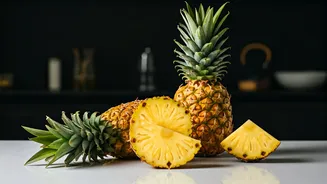
That woody, fibrous core running through the center of the pineapple is often the first thing to go. While it’s too tough to eat raw, it’s packed with flavor and bromelain, a natural enzyme that acts as a tenderizer. Instead of tossing it, think of it as a flavor bomb
waiting to happen. Your blender is its best friend. Chop the core into smaller pieces and throw it into your next smoothie. The blades will break down the tough fibers, releasing a burst of pineapple essence and nutrients without affecting the texture. Another fantastic use is to make pineapple-infused water. Simply drop the core into a pitcher of water (with some mint, if you like) and let it steep in the fridge for a few hours for a refreshing, subtly sweet drink. You can also simmer the core in water with ginger and a cinnamon stick to create a fragrant base for cocktails or a simple syrup.
Brew the Spiky Skin
The pineapple’s prickly skin seems like the most obvious candidate for the compost bin, but it holds a surprising amount of fragrance and flavor. In many parts of the world, particularly Latin America and the Caribbean, using the skin is a long-standing tradition. The easiest entry point is pineapple skin tea. Give the outside of the pineapple a very thorough scrub before you cut it. Then, place the peels in a pot, cover them with water, and add aromatics like ginger slices, a few cloves, or a cinnamon stick. Bring it to a boil, then reduce the heat and let it simmer for 20-30 minutes. Strain the liquid, and you have a beautiful, golden tea that can be enjoyed hot or chilled. For the more adventurous, these skins are the key ingredient in tepache, a fizzy, fermented Mexican beverage. It’s a simple home-brewing project that involves fermenting the skins with sugar and water for a few days, resulting in a low-alcohol, probiotic-rich drink that’s uniquely delicious.
Regrow the Leafy Crown
The spiky green top of the pineapple isn’t just decorative; it’s a self-contained starter kit for a new pineapple plant. Growing your own is a slow but incredibly rewarding process that turns a piece of kitchen scrap into a living, fruit-bearing houseplant. First, carefully twist the leafy crown off the top of the fruit. Peel away the bottom few layers of small leaves to expose about an inch of the stalk. You may see small, brown root nubs already forming. Let the crown sit out for a couple of days to dry and callus over, which prevents rot. Next, place the base of the crown in a jar of water, ensuring only the stalk is submerged, not the leaves. Put it in a sunny spot and change the water every few days. Within a few weeks, you should see white roots begin to sprout. Once the roots are a few inches long, you can plant your new pineapple in a pot with well-draining soil. With enough sun, water, and patience (it can take two years or more), you might just grow your very own pineapple.
Use Every Last Scrap
Even after you’ve used the core, skin, and crown, there are still ways to get more out of your pineapple. Often, a good bit of sweet flesh clings to the inside of the skin after carving. Don't let it go to waste. Use a spoon to scrape this flesh away from the peel. While it may not be pretty enough for a fruit salad, it's perfect for flavoring. One of the best uses for these flavorful scraps is to make pineapple-infused vinegar or spirits. Simply pack the fruit bits into a clean glass jar and cover them with white vinegar or a neutral spirit like vodka or white rum. Seal the jar and let it sit in a cool, dark place for a week or two, shaking it occasionally. Strain out the solids, and you’ll be left with a vibrant, custom-flavored ingredient perfect for salad dressings, marinades, or cocktails.