





The Hidden Cost of a Meal
In the United States, the scale of food waste is staggering. While much attention is given to household waste, the restaurant industry is a major contributor. According to the nonprofit ReFED, U.S. restaurants generate around 11.4 million tons of food waste annually,
costing the industry over $25 billion. This isn't just about the financial loss; it represents a colossal waste of water, energy, labor, and land. From the carrot peels and herb stems discarded during prep to the uneaten bread in the basket, the traditional restaurant model is built on a foundation of acceptable loss. It's a system that prioritizes speed, consistency, and aesthetics over resourcefulness, creating a mountain of edible food destined for the landfill, where it decomposes and releases methane, a potent greenhouse gas.
What 'Zero-Waste' Really Means
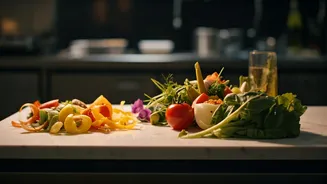
The zero-waste philosophy in the kitchen is about far more than just aggressive composting. It’s a complete operational overhaul. For pioneering chefs, it begins before a single ingredient even enters the building. They establish direct relationships with local farmers and purveyors, buying whole animals and imperfect produce that might otherwise be rejected. This is the “nose-to-tail” and “root-to-leaf” ethos in practice. In a zero-waste kitchen, every part of an ingredient is seen as a potential asset. There is no “trim” bin; there is only a “creative challenge” bin. This approach forces a radical re-evaluation of value, transforming what was once considered garbage into a cornerstone of the menu.
Creativity Born from Constraint
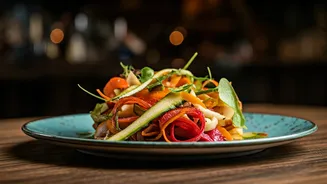
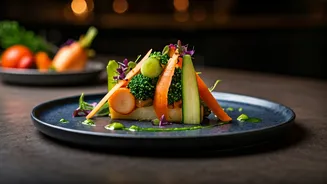
This ethical commitment doesn't mean sacrificing flavor—in fact, it often enhances it. The constraints of using everything spark immense creativity. At trailblazing restaurants like Silo in London or the now-closed Rhodora in Brooklyn, this ingenuity was on full display. Vegetable peels are dehydrated and blitzed into flavorful powders to garnish a dish. The liquid from a can of chickpeas (aquafaba) is whipped into a vegan meringue. Fish collars, often discarded, are grilled and served as a delicacy. Citrus rinds are candied, infused into vinegars, or used to create oleo-saccharum for complex cocktails. This isn’t about serving leftovers; it’s about a deep, respectful understanding of an ingredient’s full potential. The result is a menu that is not only delicious but also tells a story of resourcefulness and respect for the food system.
An Education on a Plate
For diners, a meal at a zero-waste restaurant is an experience that extends beyond the palate. It's a gentle form of education. These establishments often do away with single-use items like paper napkins and coasters. They filter their own water to avoid bottle waste. Menus might be projected onto a wall or written on a reusable chalkboard. By making these choices, restaurants invite patrons to think about the invisible systems behind their meal. They demonstrate that sustainability doesn't have to be about deprivation. Instead, it can be an act of abundance, creativity, and connection. Eating at a zero-waste restaurant reframes the act of dining out from a simple consumer transaction to a participatory act in a more responsible food culture.