




Why Heavy Meals Make You Hotter
It’s not just your imagination: a big, heavy meal on a sweltering day can genuinely make you feel warmer. This phenomenon is thanks to something called the thermic effect of food (TEF), or diet-induced thermogenesis. Essentially, your body has to work
to digest and process the nutrients from your food, and this metabolic work generates heat. The more complex and calorie-dense the meal, the harder your digestive system has to work, and the more internal heat it produces. Large portions of protein and fat are the primary culprits. While essential, they require the most energy to break down. A sizzling steak, a rich pasta carbonara, or a double cheeseburger forces your internal furnace to kick into high gear, which is the last thing you need when the thermometer is already pushing triple digits. This is why you might feel sluggish, sweaty, and even more overheated after a substantial lunch on a 95-degree day.
The Hydration and Digestion Advantage
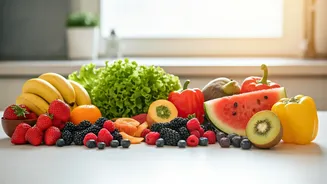
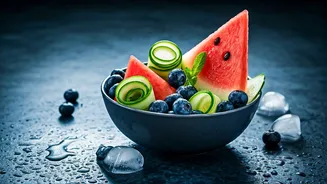
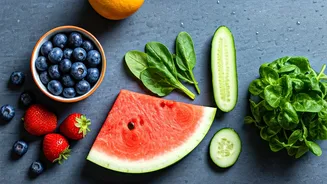
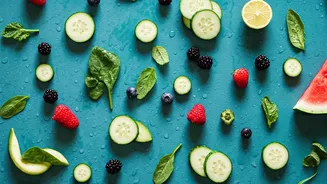
Light meals, by contrast, are your body’s best friend in the heat. They are typically easier to digest, requiring less metabolic energy and therefore producing less internal heat. Think of it as giving your digestive system a much-needed summer vacation. Instead of wrestling with a heavy meal, it can process simpler foods efficiently, leaving more energy for your body’s primary task: staying cool. Furthermore, the best warm-weather meals are often rich in water content. Foods like cucumbers, watermelon, lettuce, and strawberries are over 90% water. Eating them is a delicious and effective way to supplement your hydration efforts beyond just drinking glass after glass of water. Proper hydration is critical for regulating body temperature through sweating, and these foods give you a built-in boost.
Building the Perfect Heatwave Plate
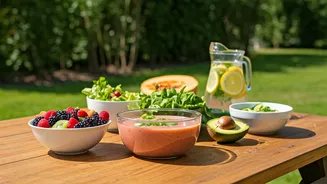
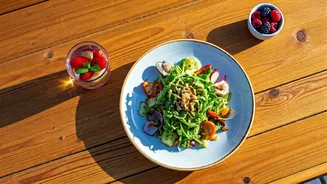
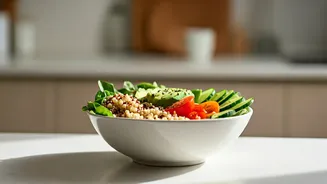
So, what does an anti-heatwave meal actually look like? It’s not about calorie-counting or deprivation, but about smart, cooling composition. Focus on a balanced plate that emphasizes fresh, hydrating ingredients. Start with a base of water-rich greens like romaine or spinach. Add a mountain of colorful, hydrating vegetables—cucumbers, bell peppers, tomatoes, and celery are all excellent choices. For protein, opt for leaner, easier-to-digest options. Think grilled chicken breast, fish like cod or tilapia, shrimp, or plant-based sources like chickpeas and lentils. Instead of heavy, creamy dressings, go for a simple vinaigrette made with olive oil and lemon juice or vinegar. This combination provides nutrients and satiety without weighing you down or turning up your internal thermostat.
Simple Swaps for Summer Comfort
Making your diet heatwave-friendly is mostly about simple substitutions. You don’t need to completely overhaul your eating habits, just make a few clever trades during the hottest parts of the year. - Instead of a beef burger, try a grilled chicken sandwich or a black bean burger on a whole-wheat bun. - Instead of creamy pasta salad, make a Mediterranean quinoa salad with cucumbers, tomatoes, feta, and a lemon-herb dressing. - Instead of hot soup, embrace its cooler cousin, gazpacho, a refreshing cold soup made from raw vegetables. - Instead of a bag of salty potato chips, snack on chilled watermelon slices, crunchy cucumber spears with hummus, or a handful of berries. - Instead of a hot coffee, try a cold brew, which is less acidic and just as energizing.