


First, What Are the Western Ghats?
Before we get to the Instagram-worthiness, let's get oriented. The Western Ghats, also known as the Sahyadri, are a 1,000-mile-long mountain range running parallel to the western coast of the Indian peninsula. For a bit of perspective, they're older than
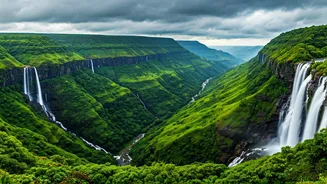
the Himalayas. They’re not just a random chain of mountains; they’re a UNESCO World Heritage Site, recognized as one of the world's eight most important biodiversity hotspots. This isn't your average state park. The Ghats are a crucial ecological feature, influencing weather patterns and harboring thousands of plant and animal species, many of which are found nowhere else on Earth. They stretch across several Indian states, making them a vast and varied landscape of forests, grasslands, and peaks.
It’s All About the Monsoon
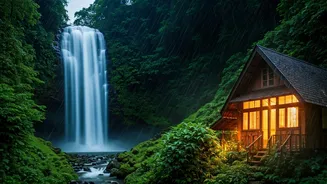
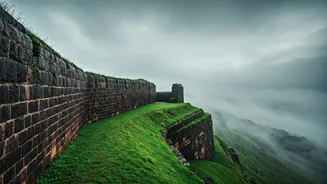
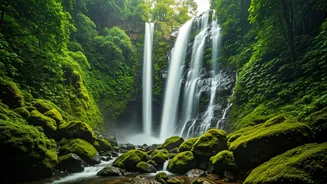
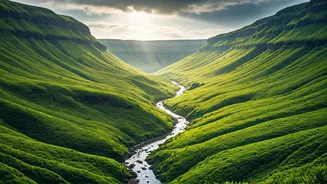
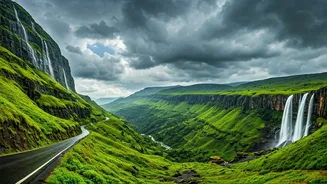
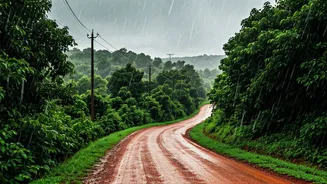
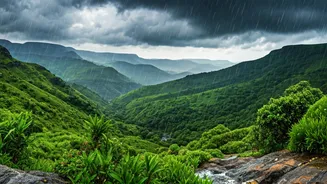
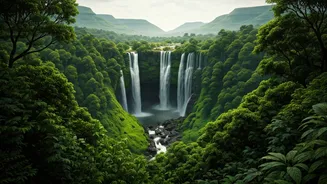
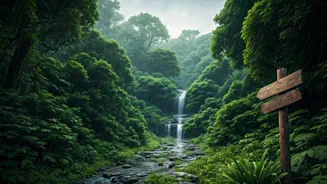
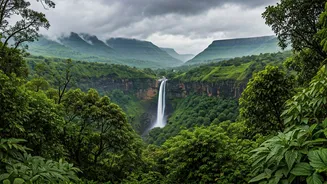
The secret ingredient to this trend is the monsoon season, which typically runs from June to September. For these few months, the entire region undergoes a dramatic, almost magical transformation. The dry, sun-baked hills of the pre-monsoon months are completely reborn. Heavy, consistent rains saturate the landscape, turning everything a vibrant, electric green that seems to pop right out of your phone screen. This isn't a subtle shift; it’s an explosion of life. Waterfalls, temporary and permanent, cascade down nearly every cliff face. Rivers swell, and a thick, romantic mist rolls through the valleys, creating a moody, atmospheric setting that photographers and casual tourists find irresistible. The 'trend' isn't arbitrary; it’s a seasonal spectacle that peaks right around this time of year.
A Different Kind of 'Vacation Goal'
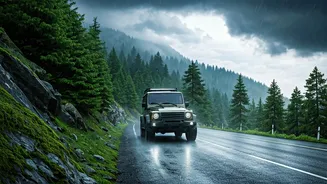
Most viral travel content on Instagram follows a familiar script: white sand beaches, turquoise water, sun-drenched European cities. The Western Ghats trend offers a compelling alternative. This aesthetic isn't about sunny perfection; it's about embracing nature's raw, dramatic power. The photos capture a sense of coziness and introspection—think sipping hot chai while looking out at a rain-soaked valley. It’s a vibe that resonates with a desire for more authentic, grounding experiences. Instead of bright, high-exposure shots, the popular images are often darker, more saturated, and filled with the texture of fog and rain. It’s less about showing off a tan and more about capturing a feeling—a peaceful surrender to the elements.
The Power of Local Wanderlust
While the images are reaching a global audience, the trend is overwhelmingly driven by local and domestic travelers. The Western Ghats are a short drive from major Indian metropolises like Mumbai, Pune, and Bengaluru. For millions of city dwellers, a weekend trip to the Ghats during the monsoon is a cherished ritual. They flock to hill stations like Lonavala, Mahabaleshwar, and Munnar to escape the city heat and immerse themselves in the greenery. This massive wave of domestic tourism creates an avalanche of social media content. As locals post their stunning photos and Reels, Instagram's algorithm picks up on the engagement and begins pushing it to wider, international audiences. So what looks like a sudden global trend is actually the digital crest of a long-standing, beloved regional tradition.