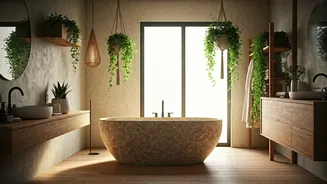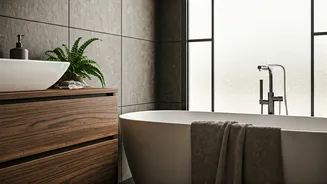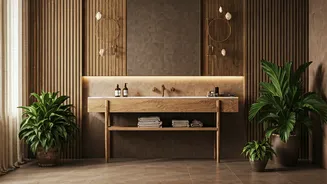



1. The Philosophy: More Spa, Less Showroom
The core idea behind the 'calm bathroom' is simple: transform a purely functional space into an emotional one. For decades, the American bathroom was often an afterthought—a room of hard surfaces, harsh lighting, and purely utilitarian fixtures. The new
approach treats the bathroom as a personal wellness center, a place to decompress and disconnect. Designers are seeing a massive shift away from cold, high-gloss finishes and toward materials and layouts that evoke tranquility. This isn't just about aesthetics; it's a response to our over-stimulated lives. The goal is to create a room that lowers your heart rate the moment you step inside, trading stark efficiency for a sense of gentle escape.
2. The Palette: Earth Tones and Muted Hues
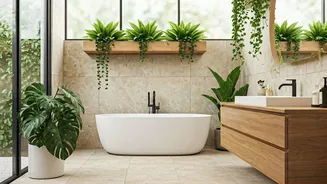
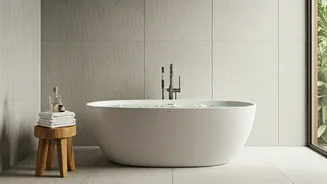
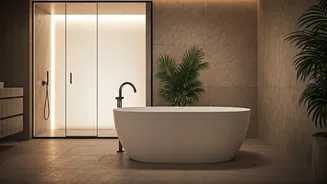
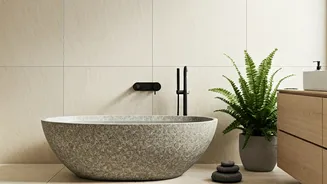
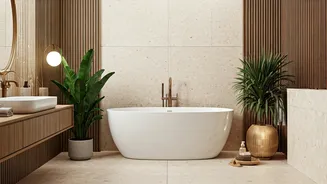
Color is the foundation of a calm environment. This trend heavily favors an earthy, nature-inspired palette. Think warm beiges, soft greys, creamy off-whites, and muted greens like sage or olive. These colors are inherently restful and provide a serene backdrop that doesn’t demand your attention. Bold, high-contrast colors are used sparingly, if at all. Instead, the design creates interest through subtle variations in tone and texture. For instance, you might see a wall of soft greige plaster, a vanity in a natural oak finish, and floor tiles in a sandy beige. The overall effect is cohesive and deeply calming, mimicking the peaceful color schemes found in nature.
3. The Materials: A Focus on Natural and Tactile
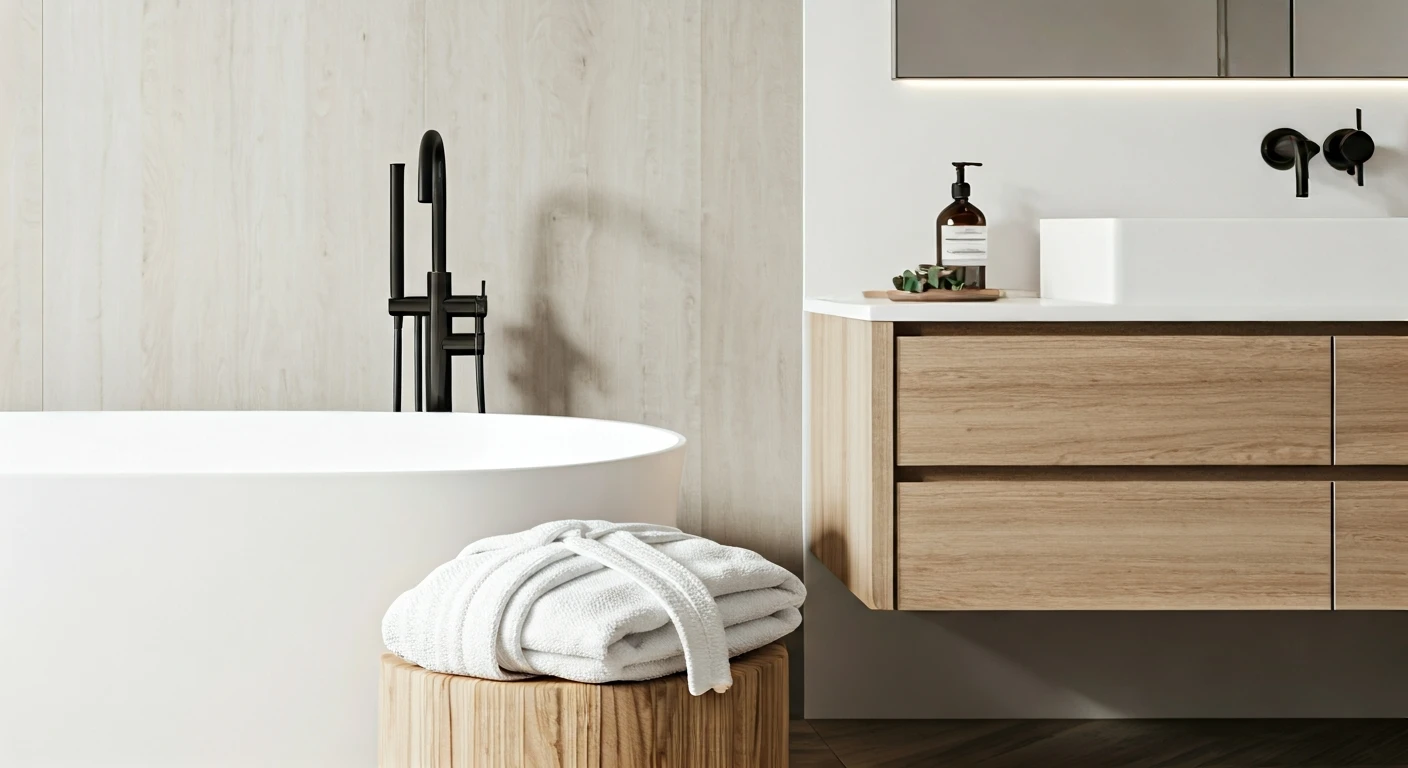
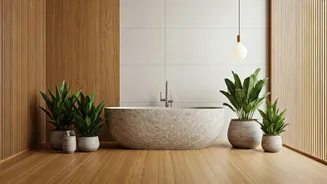
Hard, cold surfaces are out; warm, natural textures are in. Wood is a major player here, appearing in vanities, shelving, and accent details. Light oaks, walnuts, and teaks bring organic warmth that instantly softens a room. Stone, particularly in matte or honed finishes like limestone, travertine, and slate, replaces the polished marble of yesterday. These materials feel substantial and grounding. Textiles are also crucial. Homeowners are investing in high-quality, plush towels, soft woven bath mats, and even linen shower curtains. The idea is to engage the sense of touch, making every interaction with the space—from stepping out of the shower to opening a drawer—a pleasant, tactile experience.
4. The Lighting: Soft, Layered, and Controllable
Nothing shatters a calm mood faster than harsh, overhead lighting. One of the biggest upgrades defining this trend is a move toward layered, atmospheric lighting. The key is flexibility. A dimmer switch is non-negotiable, allowing you to adjust the intensity from bright and functional for the morning rush to low and relaxing for an evening bath. Designers are using a mix of sources: soft-glow sconces on either side of the mirror to provide flattering, shadow-free light for the face; recessed ceiling lights on a separate circuit for general illumination; and sometimes even a small, decorative pendant light to add a touch of elegance. The goal is to create a warm, inviting glow rather than a sterile, clinical glare.
5. The Layout: Declutter with Intentional Storage
Visual clutter is mental clutter. A calm bathroom must be an organized one. This trend champions clever and concealed storage solutions that keep surfaces clear. Floating vanities are incredibly popular because they create a sense of spaciousness by showing the floor underneath. Deep drawers are favored over shallow cabinets for easier organization. Recessed medicine cabinets and built-in shower niches provide seamless storage without jutting into the space. The things left out on display are intentional: a beautiful tray holding a favorite soap, a small vase with a single stem, or a neat stack of folded towels. Everything has a place, allowing the simple beauty of the design to shine through.