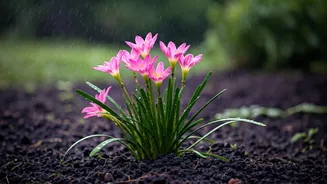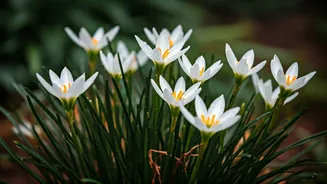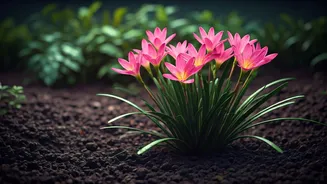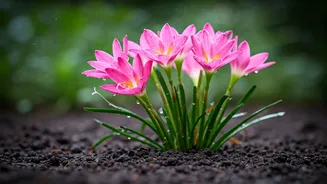




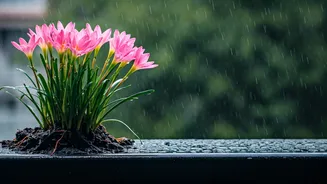


What Exactly Are Rain Lilies?
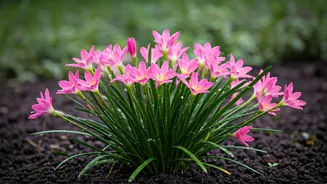
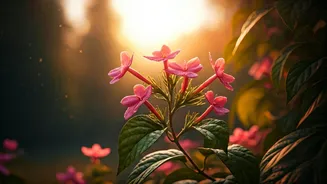
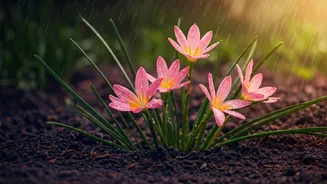
Don’t let the name fool you—rain lilies aren't true lilies. They belong to the amaryllis family and are known scientifically as *Zephyranthes*. Native to the Americas, these small, bulb-forming perennials produce delicate, star-shaped flowers that look
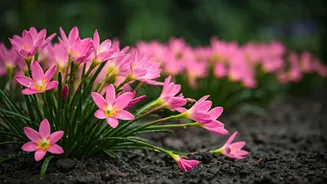
like a cross between a crocus and, well, a lily. They typically pop up in late summer and fall, with blooms appearing in shades of white, pink, or yellow. Their charm lies in their spontaneity. One day your garden bed is simply green, and the next—often after a good downpour—it's dotted with dozens of cheerful, upright flowers. This sudden appearance is what gives them their romantic name and makes them one of the most rewarding plants you can grow.
The Dream of 'Set It and Forget It'
The term “lazy plant parent” isn't an insult; it’s a reality for busy people who want beauty without bondage. This is where rain lilies truly shine. Unlike fussy annuals that demand daily watering or roses that need constant pruning and pest control, rain lilies thrive on a cycle of benign neglect. They are drought-tolerant and prefer to be left alone for long stretches. In fact, keeping their soil consistently moist can inhibit blooming and even lead to bulb rot. Their natural life cycle involves a dry, dormant period followed by a sudden burst of growth after a heavy rain. By trying to be an overly attentive gardener—watering on a strict schedule, for example—you actually work against their nature. They are the perfect plant for those who travel, forget to water, or simply prefer watching their garden to constantly working in it.
Planting Is Almost Foolproof
Getting started with rain lilies is incredibly simple. You’ll be planting bulbs, which are far more forgiving than delicate seedlings. The best time to plant is in the spring, after the last frost. Find a spot that gets at least a half-day of full sun. While they aren't picky about soil, they do best in a well-draining location so the bulbs don't sit in water. To plant, dig holes about 2-4 inches deep and place the bulbs with the pointed end facing up. Space them about 3-4 inches apart if you want a dense, clustered look. For a more natural, meadow-like feel, you can scatter them a bit wider. Plant them in groups of a dozen or more for the most dramatic effect. Once planted, give them a good initial watering to help them settle in, and then… you’re mostly done. It’s that easy.
The Secret to a Surprise Bloom
The magic of rain lilies is tied to their watering schedule, or lack thereof. To trigger a bloom, the plants need a dry period followed by a thorough soaking. In many parts of the U.S., nature takes care of this with dry summer spells broken by thunderstorms. After a good, deep rain, you can often expect flowers to appear within a few days. If you live in a drier climate or have your lilies in a pot, you can replicate this yourself. Let the soil dry out completely for a few weeks in the summer. Then, give the pot or garden bed a deep, generous watering. This “artificial rainstorm” mimics their natural trigger and often coaxes out a spectacular flush of blooms. It's a fun, low-effort trick that provides a massive visual payoff, making you look like a gardening wizard with almost no work.
Where to Grow Your Effortless Flowers
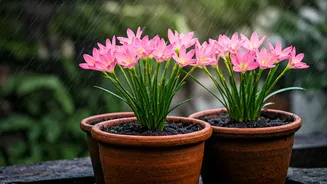
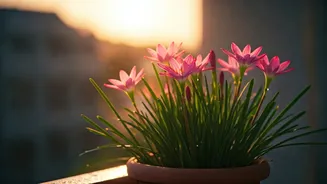
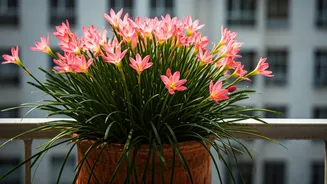
Rain lilies are versatile. They are hardy in USDA Zones 7 through 11, where they can be left in the ground year-round as reliable perennials. They multiply over time, so your small patch will gradually become a larger, more impressive drift. You can use them to line a walkway, tuck them into a rock garden, or plant them at the front of a border where their surprise appearance will be a delight. In colder climates, they are fantastic container plants. Simply plant the bulbs in a pot with good drainage and place it on a sunny patio or balcony. When fall arrives and temperatures drop, you can either bring the pot into a cool, dry place like a garage for the winter or treat them as an annual. Their small size and adaptability make them a perfect fit for nearly any garden, big or small.