
Beyond the Mountain Cabin
When you hear “hill homestay,” you might picture a standard cabin rental. While that’s part of it, the concept is richer and more personal. A homestay emphasizes a connection to place and, often, to a host. Think of it as being a guest in a more authentic
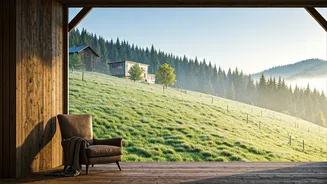
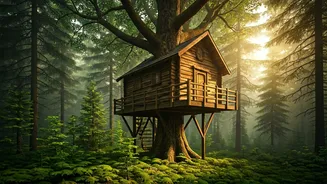
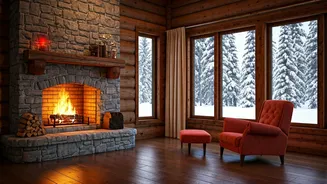
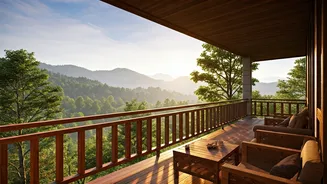
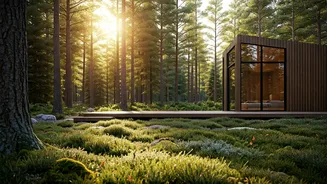
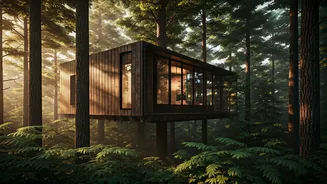
setting. This could be a private room in a sprawling farmhouse in the Berkshires, a thoughtfully designed guest suite attached to an artist’s home in the Catskills, or a standalone cottage on a family’s property overlooking the Blue Ridge Mountains. Unlike an impersonal hotel, a homestay offers a curated, intimate experience. The décor feels collected, not commercial, and the surroundings are prized for their natural character, not their proximity to a tourist trap. It’s less about amenities and more about atmosphere.
The Psychology of Quiet Elevation
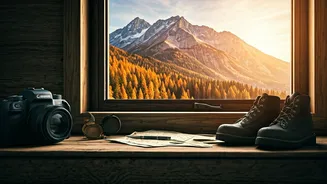
There’s a scientific reason why mountains and hills feel restorative. The combination of higher elevation, cooler air, and a broader vantage point can have a profound psychological effect. Staring out at a vast, rolling landscape forces a sense of perspective; your daily anxieties seem smaller when measured against the scale of a mountain range. The soundscape changes dramatically, too. The urban hum of traffic and sirens is replaced by the rustle of leaves, the call of a distant bird, or, best of all, a deep and profound silence. This isn’t just the absence of noise—it’s an opportunity for your mind to stop processing constant stimuli. Your nervous system gets a chance to down-regulate, reducing stress and promoting a state of calm that’s hard to achieve in our day-to-day lives.
Trading Crowds for Connection
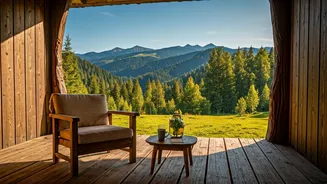
So many modern summer vacations are exercises in crowd management—jostling for a spot on the beach, waiting in line for dinner, or navigating packed city streets. A hill homestay is the direct opposite. It’s a deliberate choice to trade mass-market tourism for solitude or meaningful connection. Here, your only neighbors might be trees and wildlife. The "nightlife" is a sky full of stars, unobstructed by city lights. This intentional quiet creates space for other things: finishing a book on a wide porch swing, having an uninterrupted conversation with a partner, or simply sitting with your own thoughts. If you do interact, it’s often with a host who can share local knowledge about a hidden trail or the best farm stand, adding a layer of personal discovery to your trip that you’d never find at a resort.
An Itinerary of Unscheduled Joy
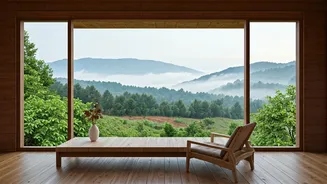
The greatest luxury of a hill escape is the freedom from a rigid itinerary. There are no theme park opening times to meet or dinner reservations to rush to. The day unfolds at its own pace, guided by nature and your own mood. You might wake with the sun, sip coffee while watching mist burn off a valley, and decide on a whim to hike a nearby path. The afternoon could be spent napping in a hammock, exploring a tiny nearby town, or simply doing nothing at all. This lack of obligation is the true definition of a break. It allows for spontaneity and rediscovery of simple pleasures—the taste of fresh produce from a local market, the smell of rain on warm earth, the comfort of a quiet evening without the blue light of a screen.
How to Find Your Hillside Haven
Finding the perfect quiet homestay requires a little more intention than booking a hotel. On rental sites like Airbnb or Vrbo, use specific keywords like “secluded,” “private,” “quiet retreat,” or “farm stay.” Pay close attention to photos of the surrounding property—do you see other houses nearby? Scrutinize reviews for mentions of noise, privacy, and the overall vibe. Don't just look at the star rating; read comments that describe the experience. Look at the map view to see how far the property is from main roads or town centers. Consider regions known for this kind of lodging, such as Vermont's Green Mountains, the Appalachian Trail corridor, the Ozarks in Arkansas, or the quieter parts of the California coast range. A little research upfront will ensure your escape is as peaceful as you imagine.