


More Than Just Decoration
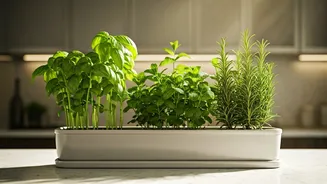
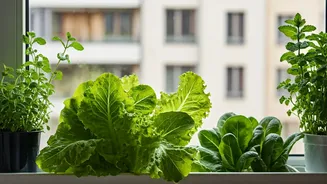
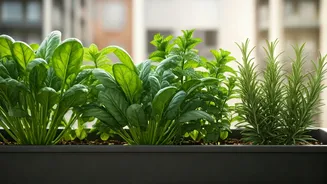
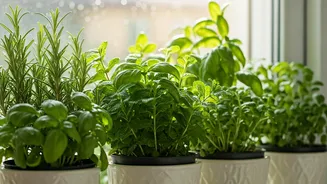
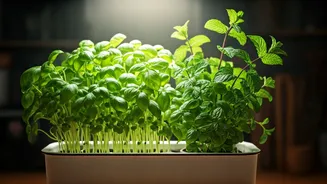
For years, the go-to for adding life to a sterile kitchen was a stoic succulent or a low-maintenance snake plant. But the new wave of kitchen greenery is both beautiful and functional. A small pot of vibrant green basil, a cascade of rosemary, or the delicate
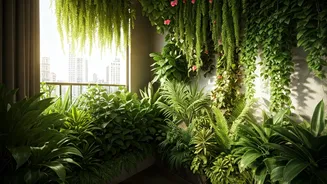
leaves of flat-leaf parsley do more than just add a pop of color. They signal an interactive space—a place where things are not just cooked, but created. This living pantry transforms the kitchen from a purely utilitarian room into an extension of a garden. It introduces a touch of the organic and untamed into the clean lines and hard surfaces of modern urban design, creating a visual and textural contrast that feels effortlessly sophisticated. It says, “I don't just eat here; I cultivate.”
The Instant Flavor Upgrade
The most tangible benefit—and the one that truly feels 'fancy'—is the immediate upgrade in flavor. Anyone who has ever compared a fresh-snipped basil leaf to its plastic-packaged supermarket counterpart knows there is no contest. The oils are more aromatic, the flavor more pungent and complex. Imagine muddling truly fresh mint from your own sill for a mojito, or tearing cilantro leaves over a taco that were growing just moments before. This isn't just about convenience; it’s about accessing a level of quality and freshness previously reserved for high-end restaurant kitchens. The ability to finish a simple pasta with a flourish of fresh oregano or enliven a roasted chicken with thyme from your own pot elevates everyday cooking into a gourmet experience. This simple act turns a meal from something assembled into something composed.
A Dose of Everyday Zen
Beyond the aesthetics and taste, the act of tending to a small herb garden provides a quiet, mindful ritual that’s often missing from hectic city life. The simple, repetitive tasks—watering, pruning, checking the leaves for sunlight—offer a brief, tangible connection to the natural world. In an environment dominated by screens and schedules, this small patch of green can be a source of calm. The subtle fragrance of rosemary or mint that fills the air when you brush past the plant is a form of passive aromatherapy. This small responsibility fosters a sense of nurture and patience, providing a welcome psychological counterbalance to the instant-gratification pace of the digital age. It’s a low-stakes, high-reward hobby that pays dividends in both flavor and mental well-being.
Getting Started Is Easier Than You Think
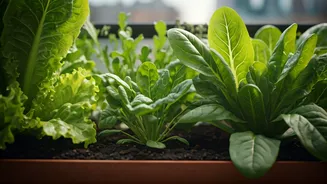
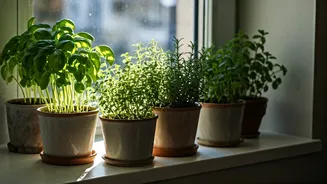
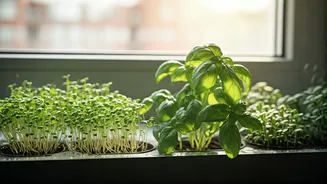
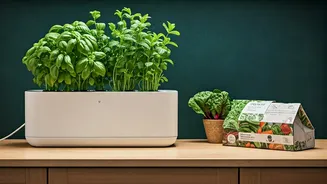
The idea of cultivating anything can seem daunting, but an indoor herb garden is one of the most accessible entry points into gardening. You don’t need a yard, a balcony, or a green thumb. All you need is a window that gets at least four to six hours of direct sunlight. Start with the hardiest, most forgiving herbs. Mint is famously difficult to kill (and best kept in its own pot, as it tends to take over). Basil, parsley, chives, and rosemary are also excellent, user-friendly choices. You can begin with a starter plant from a local nursery or even try growing from seeds. For those with less-than-ideal lighting, affordable LED grow lights designed for countertops can turn any corner of your kitchen into a viable herb-growing station. Start small with one or two of your most-used herbs and build from there.