




Your Wallet Will Thank You
The most compelling argument for eating seasonally is often the most practical: it saves you money. The logic is simple supply and demand. When a fruit or vegetable is in season, it’s at the peak of its supply. Farmers are harvesting it in abundance,
which drives down the cost. Out-of-season produce, on the other hand, has to be grown in expensive greenhouses or shipped long distances from other parts of the world. Those transportation, storage, and specialized growing costs are passed directly on to you, the consumer. That’s why a pint of luscious summer strawberries in July might cost half as much as the pale, firm version you find in January. By aligning your shopping list with the natural harvest cycle, you’re essentially buying in bulk at nature’s discount, cutting your grocery bill without sacrificing quality.
The Flavor Is Unbeatable
There’s a reason chefs and food lovers obsess over seasonality: taste. Produce that is grown and picked in its natural season is allowed to fully ripen on the vine, tree, or plant. This process develops the complex sugars and compounds that give fruits and vegetables their vibrant, deep flavors. A summer tomato, warm from the sun, is juicy, sweet, and complex—a world away from its hard, watery winter counterpart that was picked green and artificially ripened with gas during a long journey. The same holds true for a crisp fall apple, a sweet ear of summer corn, or tender spring asparagus. When you buy in season, you’re not just getting an ingredient; you’re getting that ingredient at its absolute best. You’ll find you need less salt, sugar, or elaborate sauces to make your food taste incredible.
A Natural Boost in Nutrition
Just as flavor peaks in season, so does nutritional content. When produce is allowed to ripen naturally, it develops its full profile of vitamins, minerals, and antioxidants. The moment a fruit or vegetable is picked, its nutrients begin to degrade. Produce that travels thousands of miles over several days or weeks loses a significant amount of its nutritional value by the time it reaches your grocery cart. For example, studies have shown that vitamin C content, particularly in greens like spinach, can decline rapidly after harvesting. By choosing locally grown, seasonal items, you're shortening the time from farm to table. This means the food on your plate is not only fresher and tastier but also more nutritionally dense, giving you a greater health benefit with every bite.
How to Start Shopping Seasonally
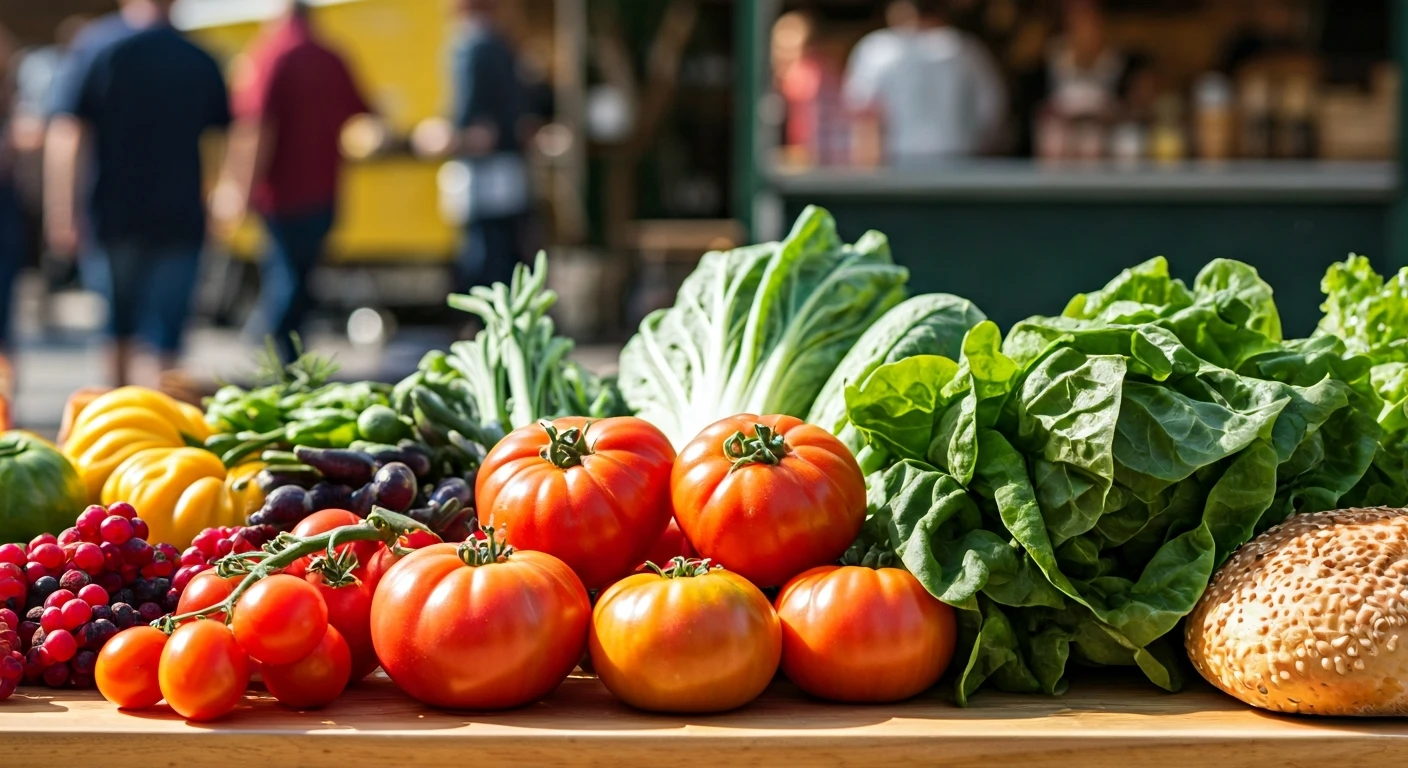
Making the switch doesn’t require a complete overhaul of your habits. Start small. The easiest entry point is your local farmers' market. The vendors there are a direct line to what’s being harvested right now in your region, and they’re often happy to tell you what’s best. In a conventional grocery store, look for signage promoting local or seasonal produce. You can also tell what’s in season by what’s on sale—stores often feature abundant crops. A quick online search for “what’s in season in [your state]” will give you a great starting list. Challenge yourself to buy one or two seasonal items per trip. Before you know it, you’ll be anticipating the first sweet corn of summer and the earthy root vegetables of fall, connecting your meals to the rhythm of the year.