




The New Vacation Math
For generations, the American vacation was a marathon, not a sprint. It was about maximizing time away, cramming in as many sights as possible, and returning exhausted but with a camera roll full of proof. But a cultural shift is underway, driven by a new
kind of math. With limited paid time off, rising travel costs, and pervasive burnout, the prospect of planning and paying for a massive trip can feel more stressful than restorative. Enter the 'micro-cation.' This trend, typically a getaway of four nights or less, isn't about compromise; it’s about optimization. Instead of one epic, expensive trip per year, many are opting for multiple, smaller escapes. This approach minimizes the planning headache, spreads out costs, and provides more frequent breaks from the daily grind. It acknowledges the modern reality that our attention spans are shorter and our need for regular mental resets is greater than ever.
The Supreme Value of Ease
The secret ingredient making these short trips so successful is a relentless focus on 'ease.' Ease means minimizing friction at every turn. It starts with proximity. Travelers are increasingly choosing destinations within a few hours' drive or a short, direct flight. The logic is simple: why spend eight hours in transit for a 72-hour trip? This principle extends to the itinerary itself. Instead of a packed schedule of museums, tours, and historical sites, the easy trip is gloriously sparse. It might feature one key activity per day, leaving ample room for spontaneity, napping, or simply wandering. This isn't laziness; it's a deliberate rejection of the performance anxiety that can creep into travel. The goal is no longer to 'do' a city but to simply 'be' in it. This low-pressure approach is a powerful antidote to our over-scheduled daily lives, making the relaxation immediate and profound.
Food as the Main Attraction
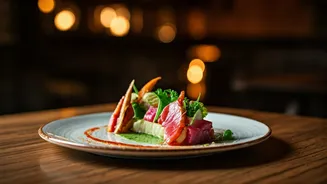
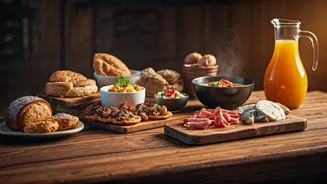
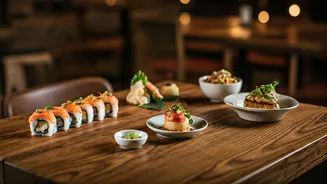
If the itinerary is simple, what’s the anchor? For a growing number of travelers, the answer is food. A city’s culinary scene has become a destination in its own right, and a memorable meal offers the perfect centerpiece for a short getaway. Unlike a museum, a great restaurant provides a multi-sensory experience that is both a cultural snapshot and a guaranteed good time. Building a trip around food is incredibly efficient. You can research a city’s James Beard Award winners, iconic cheap eats, or trending food trucks and build a loose schedule from there. A reservation at a sought-after restaurant provides a focal point for the evening, while a list of must-try taco stands or bakeries can guide your daytime explorations. This food-first approach provides structure without rigidity and delivers a tangible, delicious payoff that feels far more satisfying than just checking another landmark off a list.
How to Plan the Perfect Short Trip
So, what does this winning formula look like in practice? First, pick a destination known for a walkable, vibrant core and a killer food scene. Think cities like Charleston, New Orleans, Portland, or Savannah, where you can land, drop your bags, and be eating something amazing within an hour. Second, resist the urge to overbook. Make one, maybe two, significant dinner reservations and leave the rest to chance. Ask a bartender for their favorite local spot or follow the longest line of locals you can find. Third, embrace the 'one thing' rule. Besides eating, pick just one other non-negotiable activity—a specific shop, a scenic park, a small gallery—and consider anything else a bonus. This combination of a high-impact culinary anchor and a low-impact schedule is the key to unlocking the restorative power of the short trip.