

The Golden Rules of Rinsing
Before you even touch that beautiful fruit, start with the basics: wash your hands for at least 20 seconds with soap and warm water. This prevents transferring any germs from your hands onto the produce. When it comes to the fruit itself, the U.S. Food
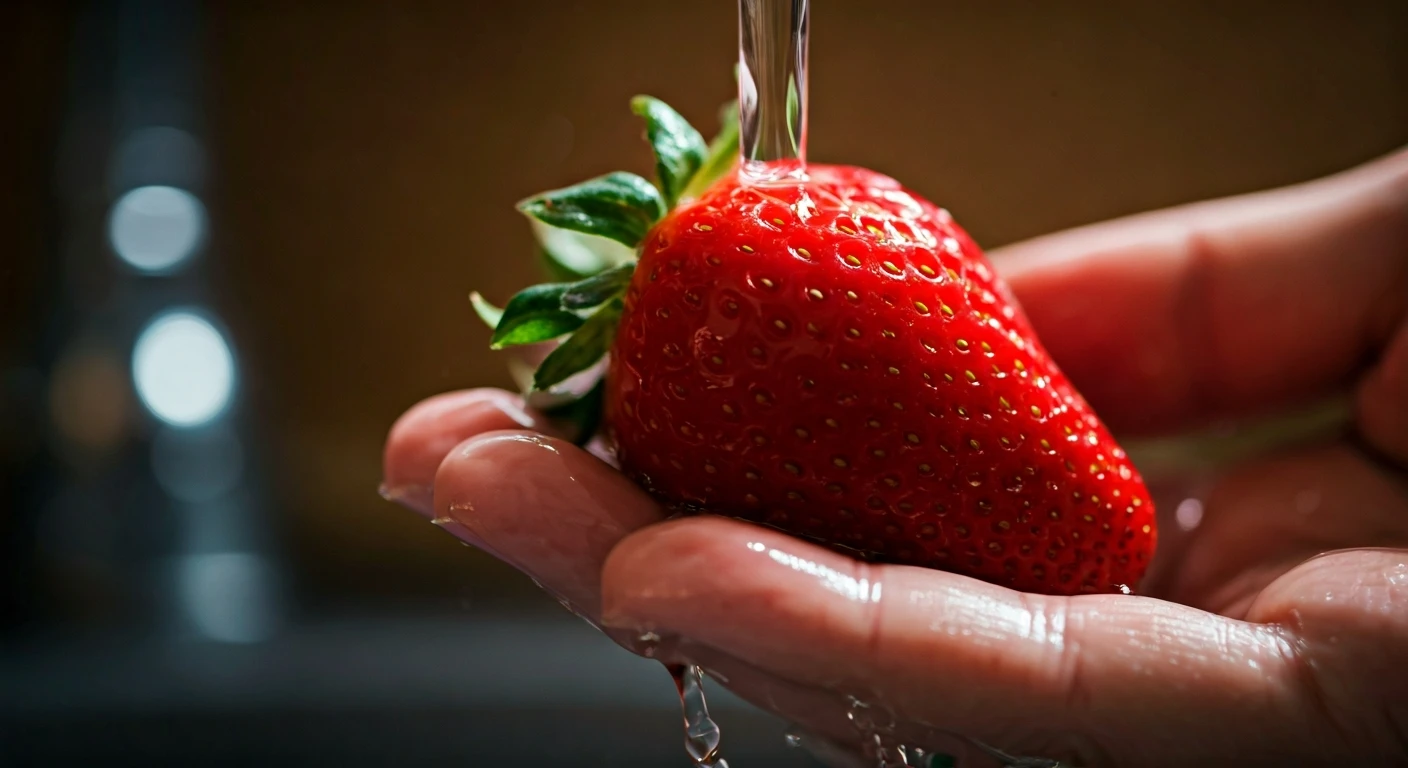
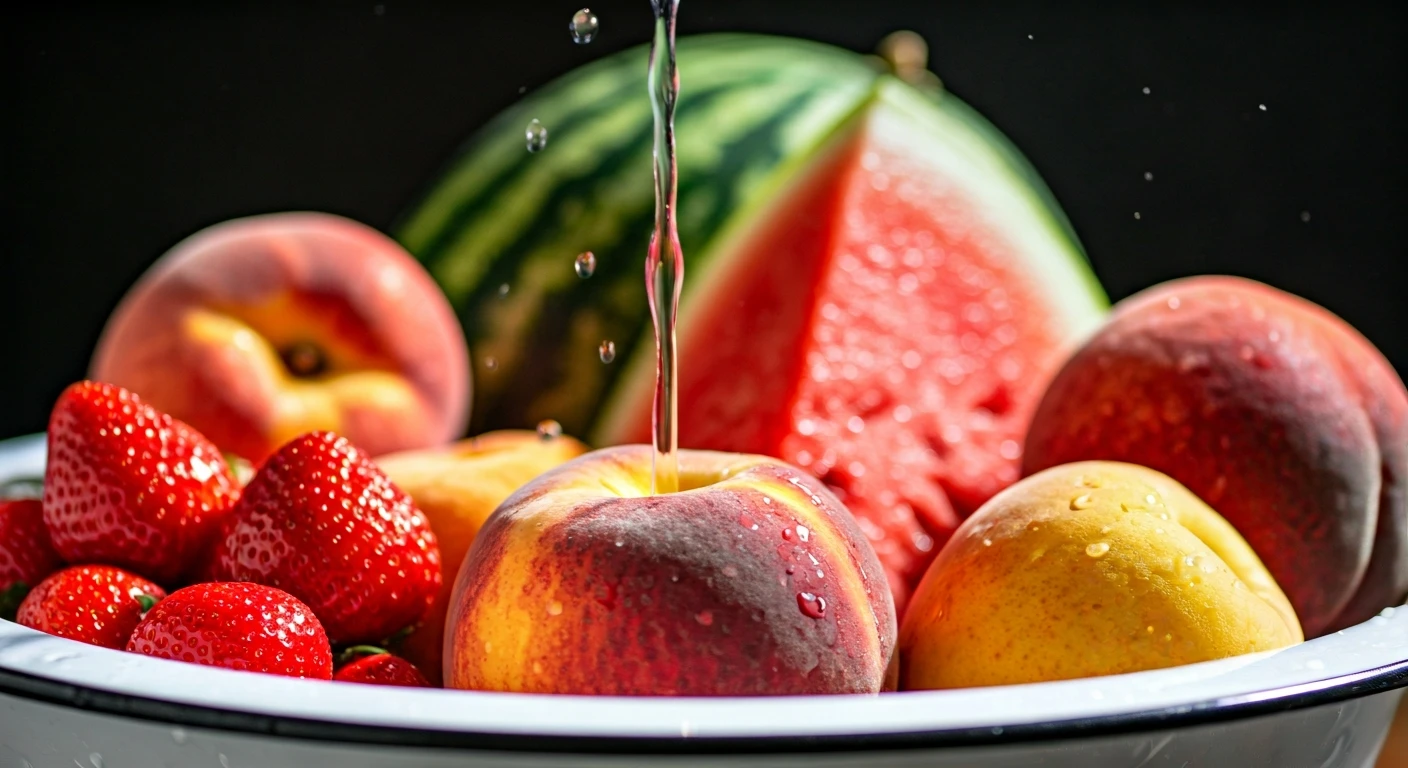
and Drug Administration (FDA) is clear: you don’t need soap, detergent, or special commercial produce washes. In fact, using them can leave behind residues that aren’t meant for consumption. The most effective tool is simple, clean, cold running water. The key is friction. For firm produce, gently rub it with your hands to dislodge dirt and microorganisms from the surface. For softer items, a gentle rinse will do. The goal is to remove surface contaminants, which can include soil, microbes, and pesticide residues, without bruising the fruit or introducing unwanted chemicals.
Delicate Berries: Handle with Care
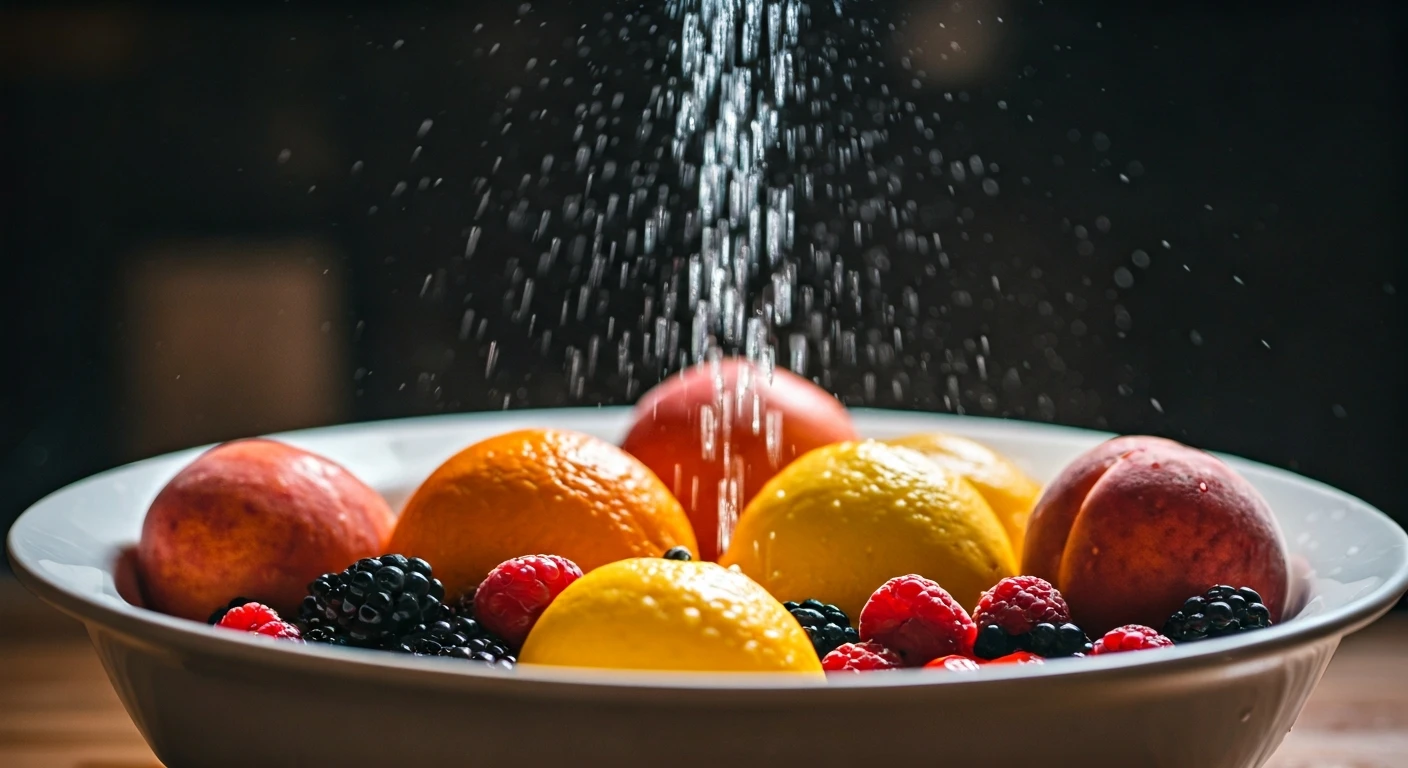
Strawberries, raspberries, blueberries, and blackberries are the jewels of the season, but their delicate nature requires a gentle approach. The number one rule for berries is to wash them only right before you plan to eat them. Washing them in advance and storing them invites moisture, which is a fast track to mold and spoilage. To wash them, place the berries in a colander and rinse them under a gentle stream of cold water. Avoid high pressure, which can crush them. Gently toss them in the colander to ensure all sides get rinsed. Afterward, spread them on a clean cloth or paper towel and pat them dry carefully. This removes excess moisture, preserving their texture and slowing down decay, so your berry-topped yogurt or shortcake is perfect every time.
Stone Fruits and Apples: The Firm Rub-Down
Fruits with firm, edible skin like peaches, plums, apricots, nectarines, cherries, and apples need a slightly more thorough approach than berries. Their surfaces, whether fuzzy or smooth, can hold onto residue. Under cool running water, use your clean hands to firmly but gently rub the entire surface of the fruit. This physical action is crucial for removing any lingering dirt or microbes. You don't need to scrub so hard that you bruise the flesh, but a confident rubbing motion is what makes the difference. For something like a fuzzy peach, this helps remove not only potential contaminants but also some of the fuzz that some people find unpleasant. After rinsing and rubbing, pat them dry with a clean towel, which helps remove any final lingering bacteria.
Melons and Rinds: The Most Overlooked Step
This might be the most important piece of homework you do. Many people assume that since you don't eat the rind of a cantaloupe, honeydew, or watermelon, you don't need to wash it. This is a dangerous myth. The textured, netted rind of a cantaloupe is a perfect place for harmful bacteria like Listeria and Salmonella to hide. When you slice into an unwashed melon, your knife blade can drag those pathogens from the exterior straight into the flesh you're about to eat. To prevent this, you must scrub the outside of the melon before you cut it. Use a clean vegetable brush dedicated for produce and scrub the entire surface under running water. Once scrubbed, pat it dry with a clean towel, and use a clean knife on a clean cutting board. This simple step is one of the most effective ways to prevent foodborne illness from these summer favorites.
Beyond the Sink: Your Kitchen Environment
Properly washing fruit is only half the battle. A clean kitchen environment is essential to prevent cross-contamination. Always use clean cutting boards, utensils, and countertops. It’s a good practice to have separate cutting boards for produce and raw meat, poultry, or seafood. After you’re done preparing your fruit, wash your cutting board and knife thoroughly with hot, soapy water. By keeping your tools and surfaces as clean as the fruit itself, you ensure that your efforts at the sink aren't undone moments before serving. Think of it as a complete system: clean hands, clean surfaces, and clean fruit work together for total peace of mind.