



The Climb to Quiet
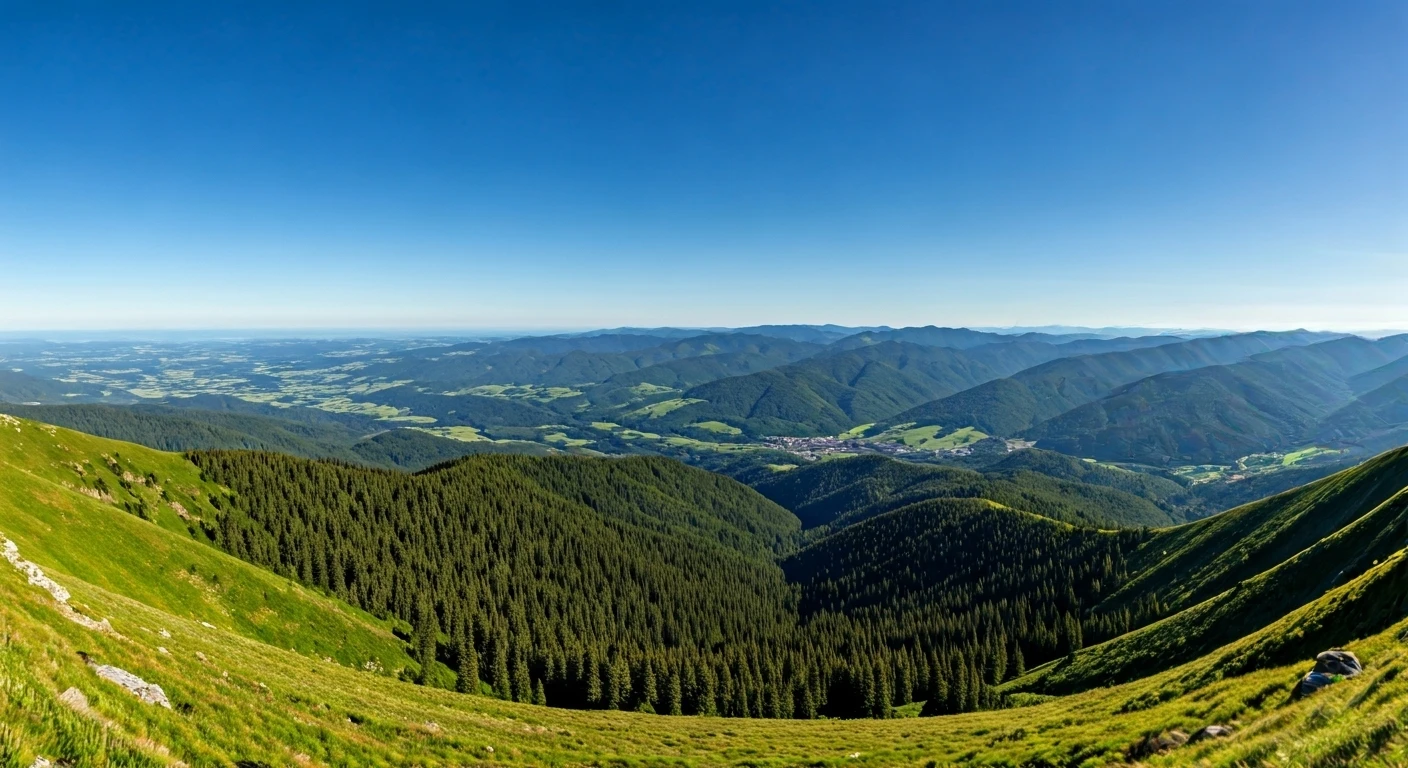
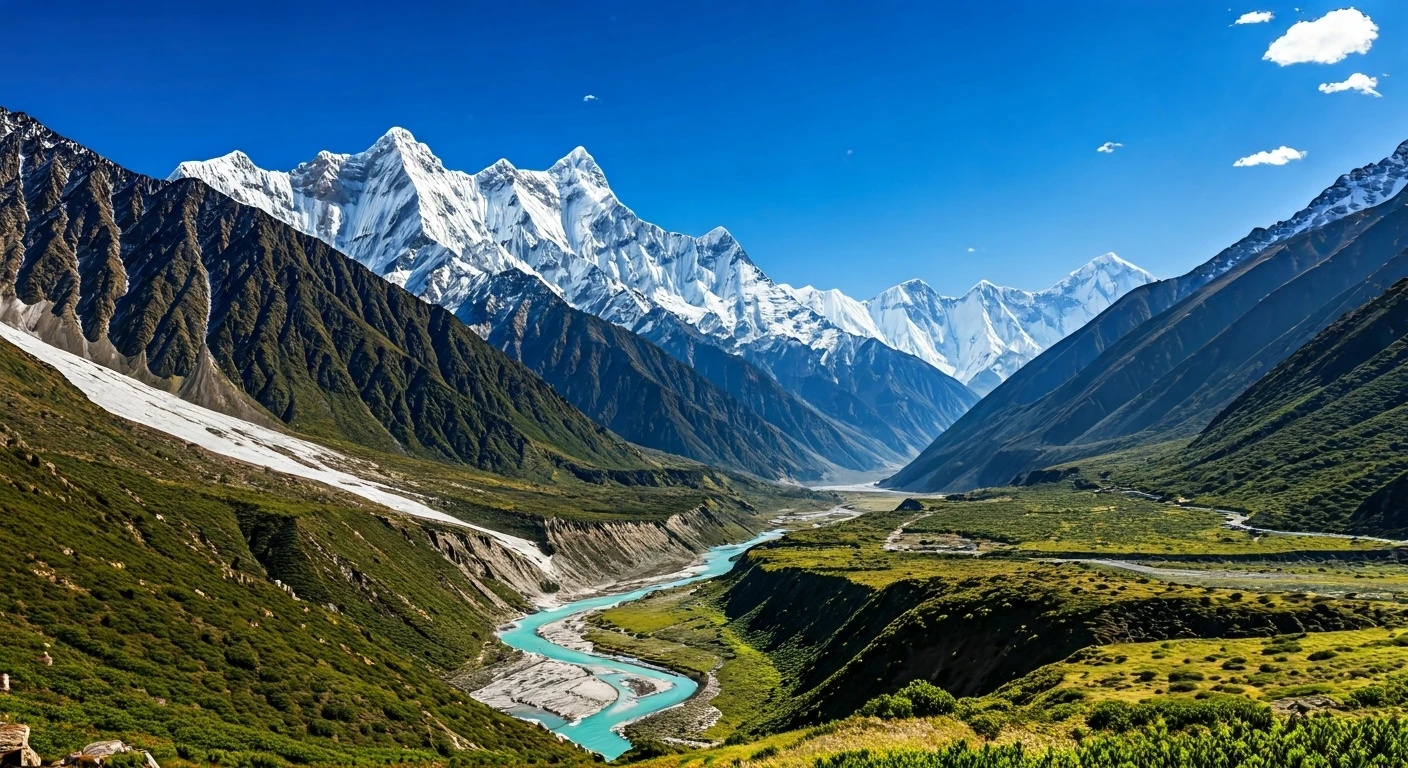
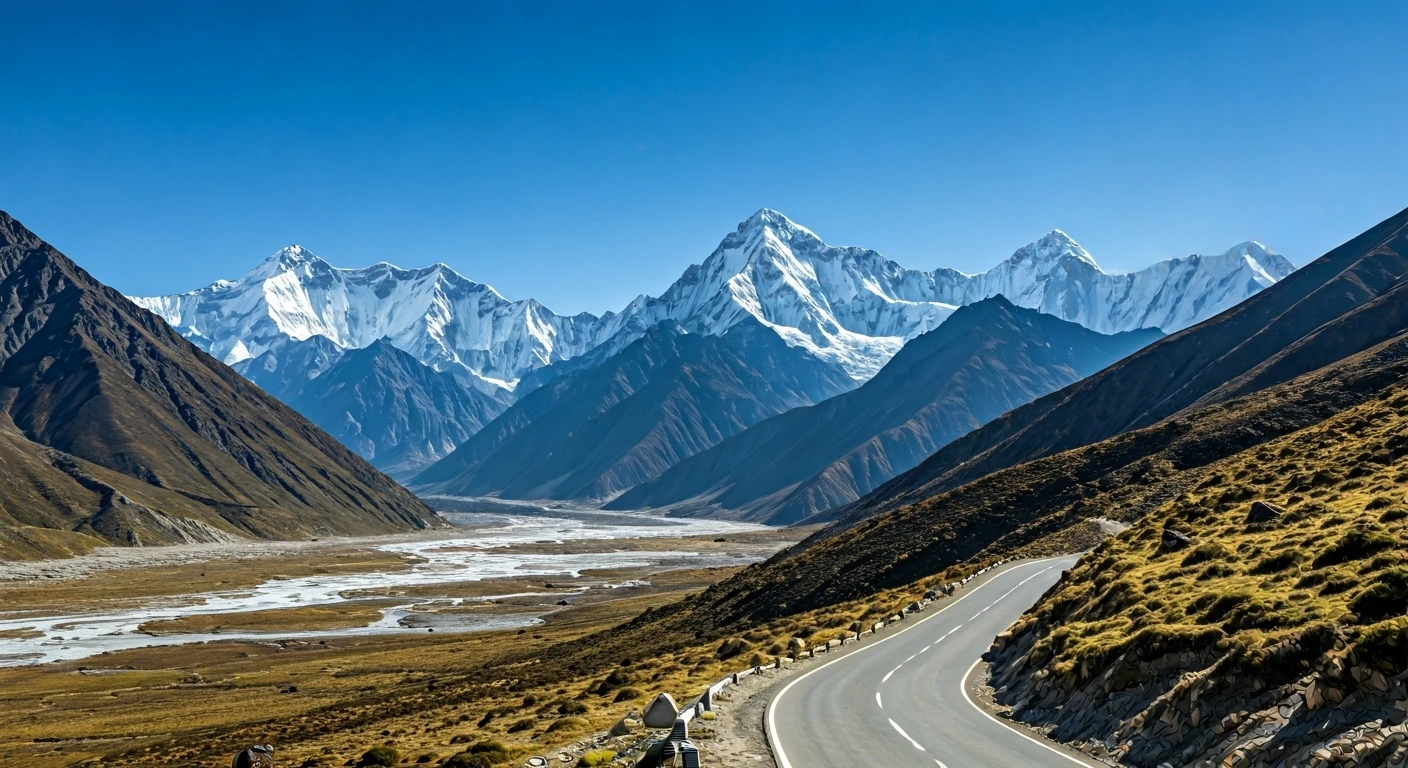
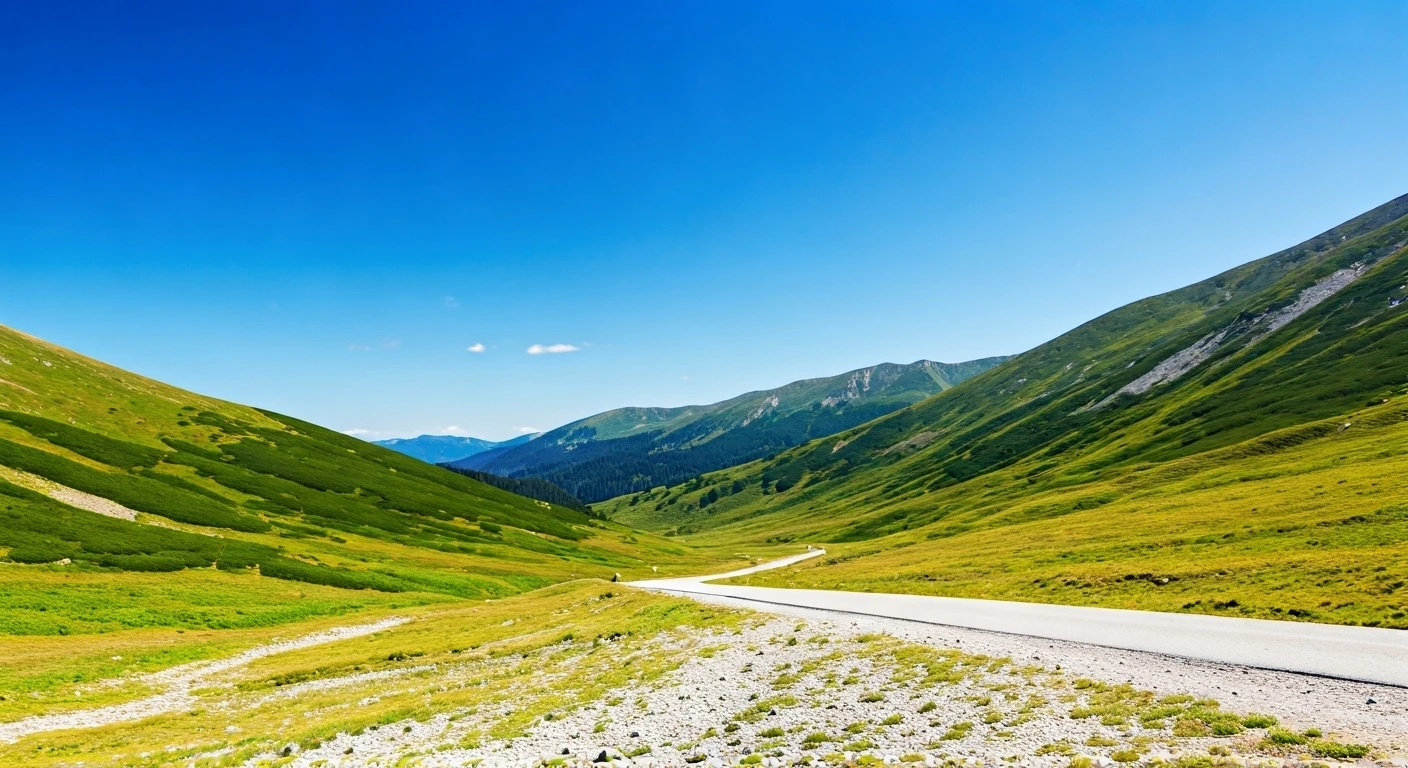
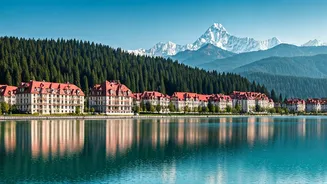
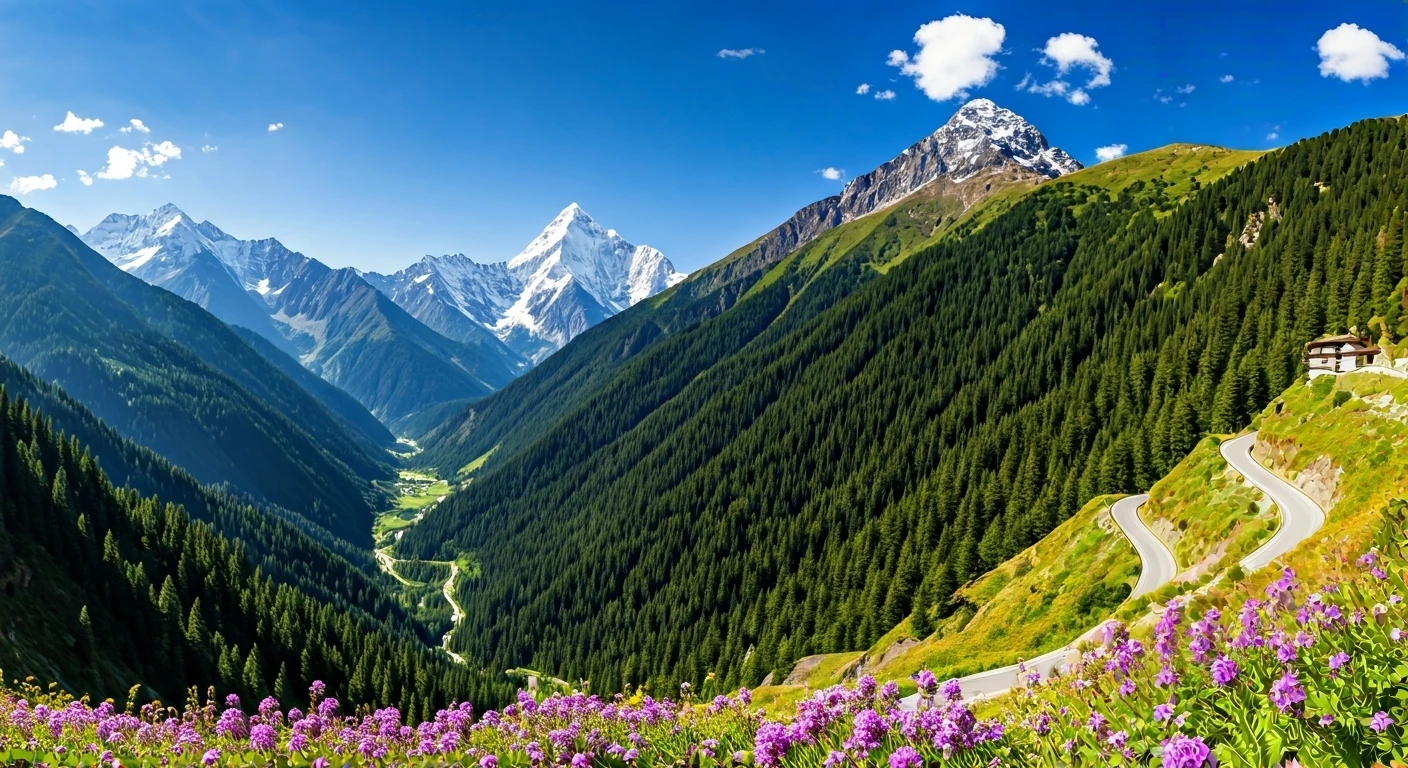
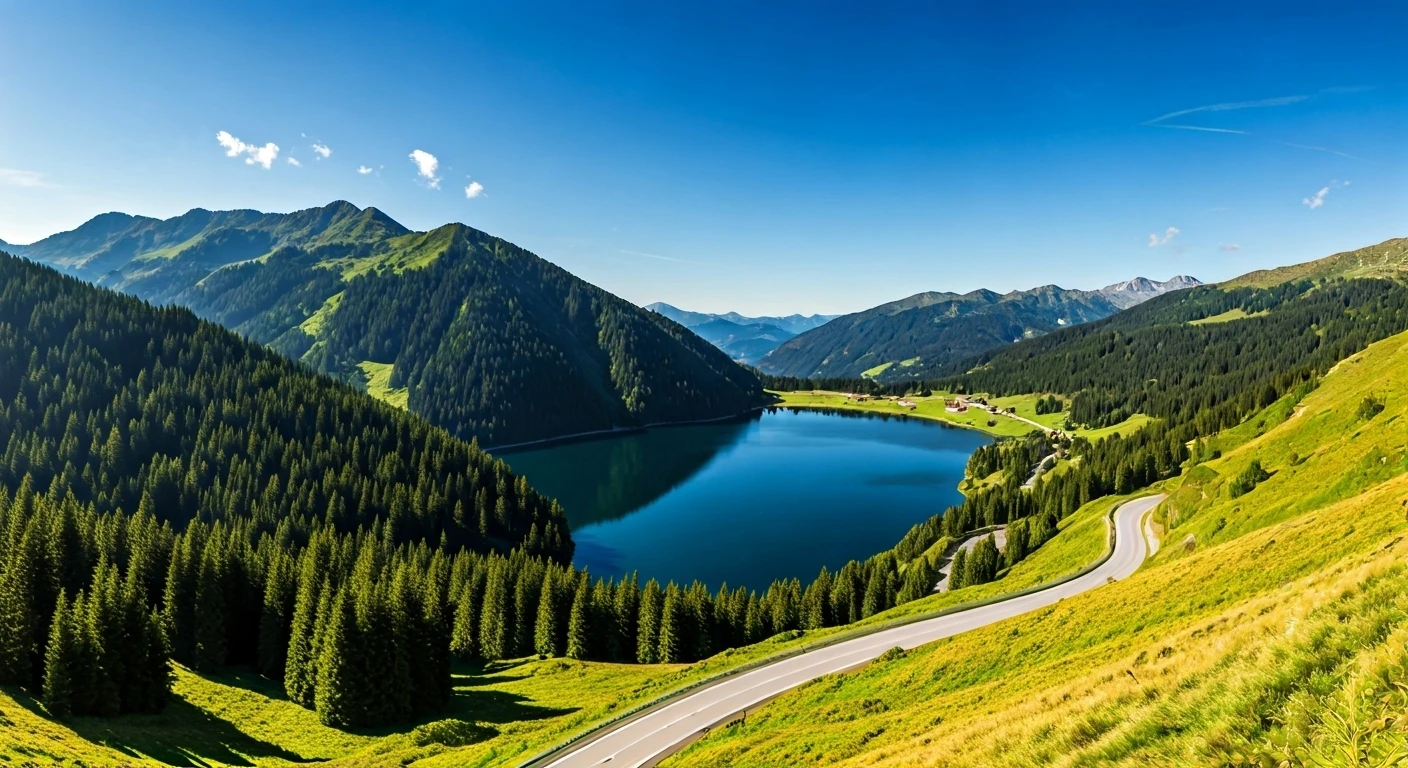
The journey to Nainital is a journey upward, in every sense. As the car winds its way from the dusty plains of northern India into the Kumaon Himalayas, the world transforms. The cacophony of horns gives way to the scent of pine and rhododendron. The air
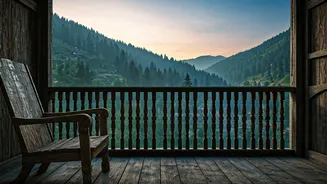
cools, sharpens. This former British hill station, built around a pear-shaped volcanic lake, has been a refuge from the summer heat for over a century, and that sense of escape is still its primary currency. But arriving at a heritage homestay here feels like another level of retreat entirely. You don’t check in at a counter; you’re welcomed onto a veranda, handed a steaming cup of masala chai, and invited to simply… breathe. The house, likely a century-old stone-and-timber cottage draped in ivy, doesn't feel like a business. It feels like a secret you've been let in on.
History in the Stone and Timber
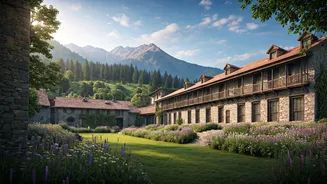
These homes are living museums, but without the velvet ropes. Built by British officers, administrators, and adventurers in the 19th and early 20th centuries, they are monuments to a bygone era. The architecture tells the story: gabled roofs to shed monsoon rains, wide verandas for enjoying the mountain views, and thick stone walls that hold the cool of the morning deep into the afternoon. Inside, the floors creak with history. Antique furniture—heavy teak wardrobes, four-poster beds, and leather-bound armchairs—has been passed down through generations. Faded photographs on the mantelpiece show families in Victorian dress, posing on the same lawn where you now sit. Staying here isn't just about occupying a room; it's about temporarily inhabiting a chapter of the house's long, quiet story. Every scuff on the floorboards and every chip in the teacups feels earned.
The Glow of the Hearth
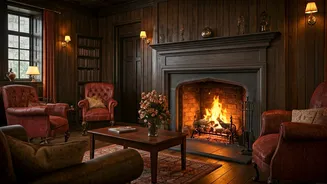
The true soul of these homestays, however, is found in what the headline calls “hearth energy.” It’s a term that perfectly captures the magnetic pull of the central fireplace. As evening falls and a mountain chill descends, life in the house gravitates toward the fire. Guests who were strangers in the afternoon find themselves sharing stories on worn chintz sofas, their faces illuminated by the flickering light. The host might bring out a board game or a book of local ghost stories. The crackle of burning logs becomes the evening’s soundtrack, a primal comfort that unknots the tensions of modern life. This isn’t a forced social event; it’s an organic coming-together, driven by the simple, ancient need for warmth. It’s here, in the glow of the fire, that a simple lodging experience transforms into a feeling of belonging.
A Taste of the Mountains
That feeling of authenticity extends to the dining table. The food at a Nainital homestay is the antithesis of a generic hotel buffet. It is deeply personal, often cooked by the family that owns the home, using recipes passed down through generations and ingredients sourced from the kitchen garden or the local market. Mornings start with parathas served with homemade preserves and yogurt. Dinners are a celebration of Kumaoni cuisine: hearty lentil dishes (bhatt ki churkani), savory greens (gahat), and fragrant local rice, all served family-style. It’s food that tells a story of the land—simple, nourishing, and completely delicious. Eating here feels less like a transaction and more like being a cherished guest at a friend’s dinner party.