



Beyond the Marie Kondo Boom
Cast your mind back to the mid-2010s. Minimalism felt like a revolution packaged in a beautifully sparse box. Fueled by Marie Kondo’s gospel of “sparking joy” and the calming influence of Scandinavian design, millions of Americans embraced decluttering
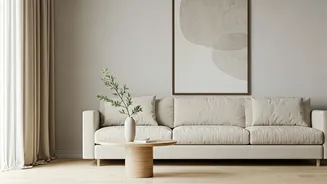
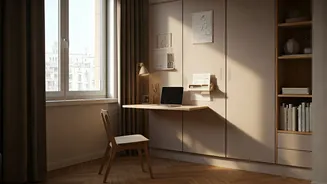
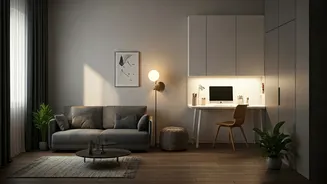
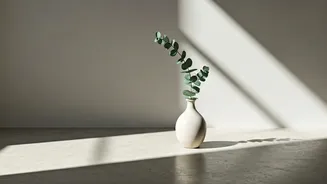
as a form of self-care. The initial promise was simple: get rid of your excess stuff, and you’ll get rid of your excess stress. It was a visual and spiritual cleansing, a direct reaction to decades of unthinking consumerism. But this first wave, defined by its rigid aesthetic—bare surfaces, neutral palettes, and an almost monastic rejection of possessions—was just the opening act. For a trend to truly dominate, it can't stay static. It has to adapt.
The Shift to 'Warm' and 'Intentional'
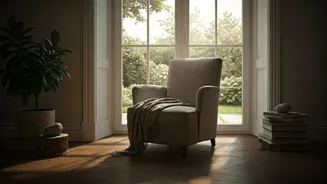
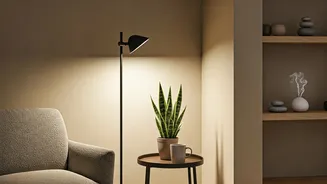
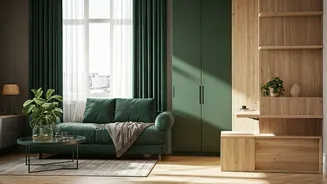
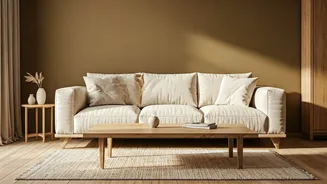
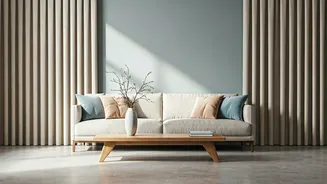
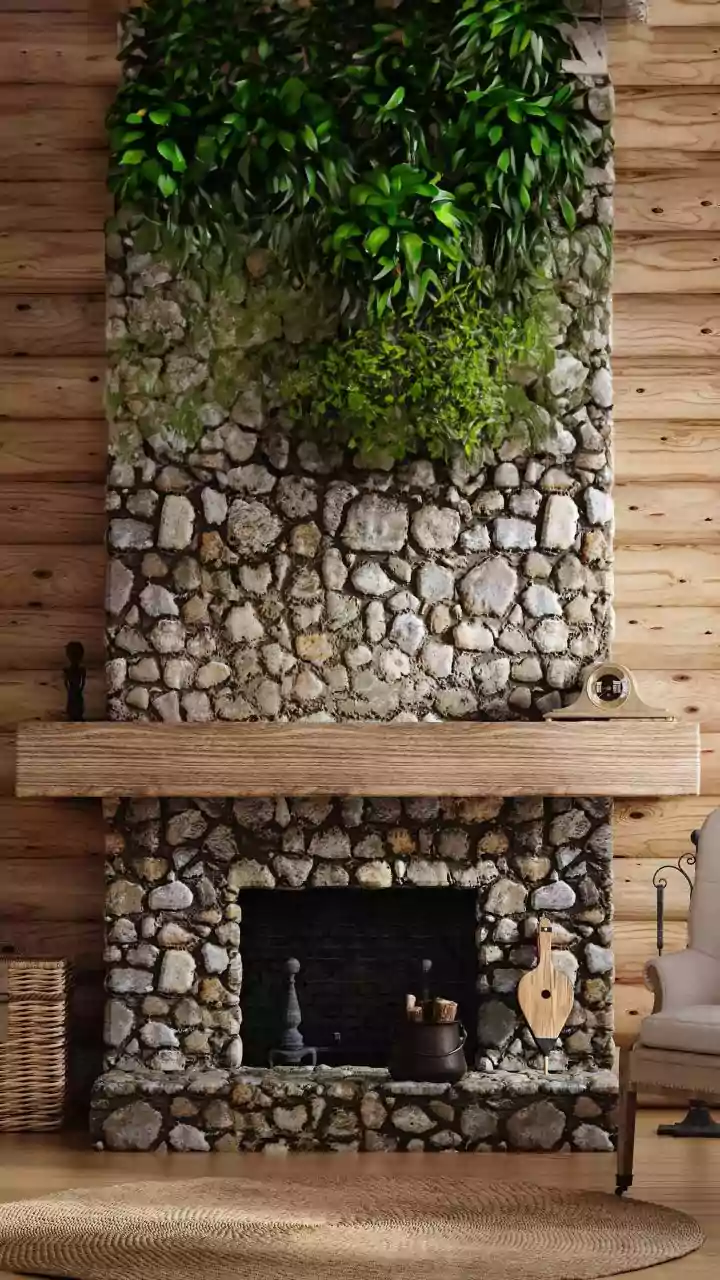
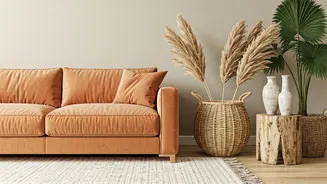
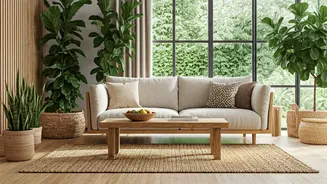
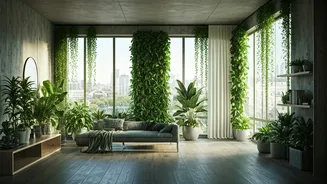
The pandemic was a turning point. Suddenly, our homes weren't just places to sleep; they were our offices, gyms, and sanctuaries. The stark, gallery-like minimalism of the past started to feel cold and uninviting. We weren't just trying to own less; we were trying to live better within our four walls. This ushered in the era of “warm minimalism.” The focus shifted from absence to intention. It’s still about curating and avoiding clutter, but with an emphasis on comfort, texture, and personality. Think nubby boucle fabrics, natural wood tones, cherished personal objects, and plants. The new goal wasn't an empty space, but a space filled only with things that are both beautiful and meaningful. It’s less about deprivation and more about deliberate selection.
Minimalism Finds New Targets
As the aesthetic softened, the philosophy expanded. The most powerful evidence of minimalism’s continued dominance is its successful migration into non-physical realms. We now have ‘digital minimalism,’ a movement championed by thinkers like Cal Newport, which applies decluttering principles to our chaotic digital lives. It’s about deleting unused apps, curating social media feeds, and reclaiming our attention from the constant barrage of notifications. Then there’s ‘sustainable minimalism,’ which aligns the “buy less” ethos with environmental consciousness, encouraging us to invest in fewer, higher-quality items that are built to last. Finally, ‘financial minimalism’ uses the same logic for personal finance, focusing on conscious spending and saving to achieve freedom, not just a balanced budget.
The 'Quiet Luxury' Connection
If you’re wondering where minimalism went among the wealthy, look no further than “quiet luxury.” This trend, characterized by unbranded, high-quality, timeless pieces—think a perfect cashmere sweater or a flawlessly tailored coat—is minimalism in its most expensive form. It rejects flashy logos and seasonal fads in favor of enduring style and craftsmanship. At its core, it’s the exact same principle: less but better. By shedding its association with spartan living and rebranding as a sophisticated, high-value choice, minimalism has proven it can appeal to every demographic, from the budget-conscious student to the high-net-worth individual.
What About the Maximalist Backlash?
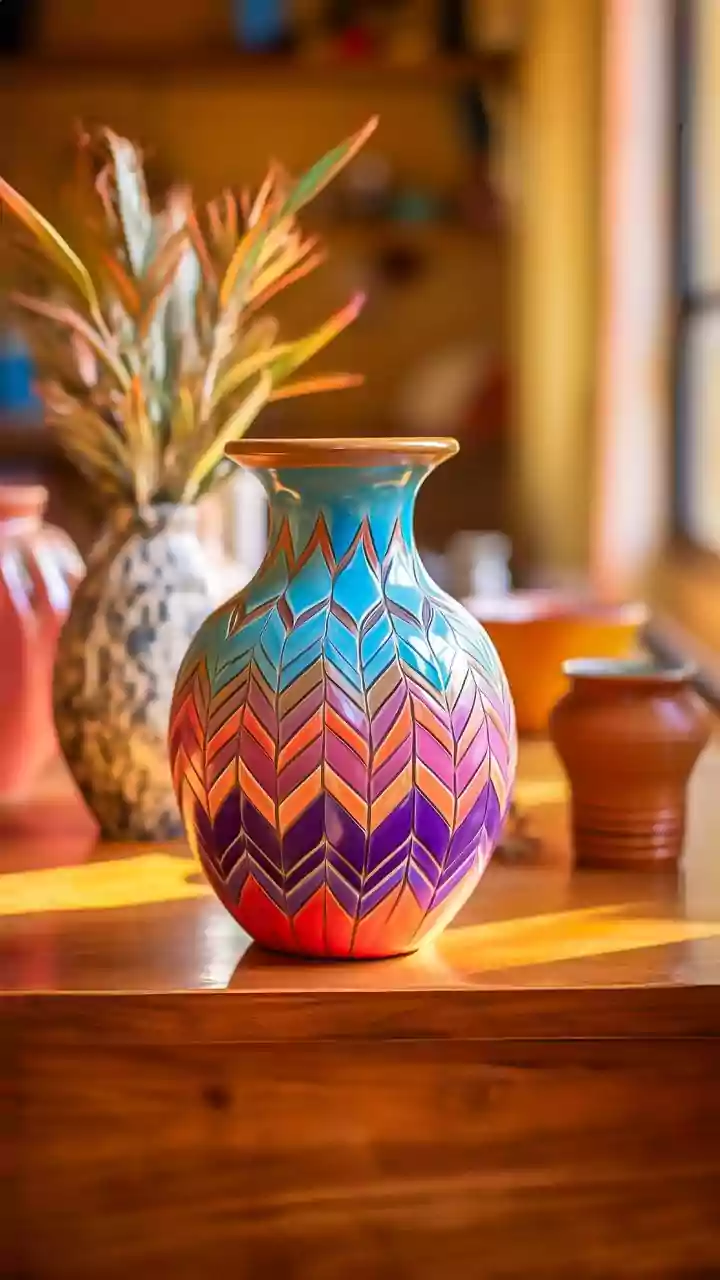
Of course, for every trend, there is a counter-trend. The rise of “dopamine decor,” with its riot of color, pattern, and joyful clutter, seems like a direct rebellion against minimalist restraint. But it doesn't signal minimalism’s death. Instead, it proves that the central conversation has shifted. Both minimalism and maximalism, in their modern forms, are about intentionality. One person’s curated calm is another’s vibrant chaos. The fact that we are all thinking critically about what we bring into our lives—whether it’s a single perfect vase or a dozen quirky throw pillows—shows that the fundamental lesson of minimalism has been learned. The debate is no longer about having things versus not having them; it’s about choosing a life by design.