



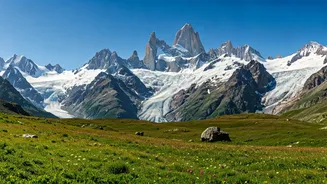
Welcome to the 'Cool-cation'
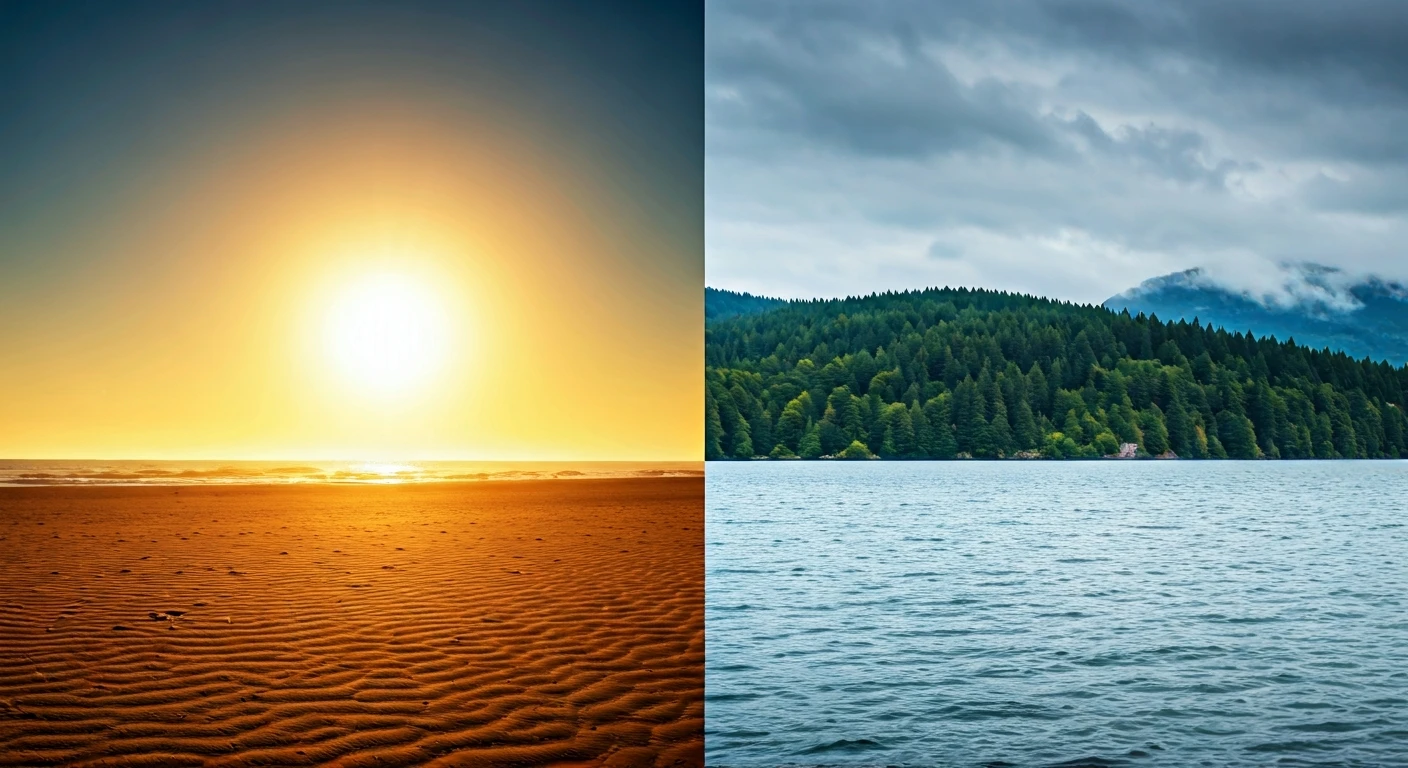
Forget chasing the sun. A growing number of American travelers are actively fleeing it. This isn't just about preferring a mild day; it's a direct response to summers that are becoming increasingly, and often dangerously, hot. Travel experts have even
coined a term for it: the 'cool-cation.' According to recent data from Expedia, searches for cooler destinations are surging. The dream of baking on a Mediterranean beach is being replaced by the pleasant reality of a brisk hike in a national park or exploring a charming, overcast city. This shift marks one of the most significant changes in travel patterns in decades, driven not by marketing campaigns, but by the simple, universal desire to be comfortable.
The New Hot Spots Are… Cool
So where are these heat-weary travelers going? The data points north. Destinations like Scotland, Ireland, and Scandinavia are seeing a significant uptick in interest. In the U.S., the traditional rush to Florida and Southern California is being counterbalanced by a new appreciation for the Pacific Northwest, the Great Lakes region, and New England. Think Portland, Oregon, over Palm Springs, or Traverse City, Michigan, over Miami. The appeal is clear: average summer temperatures in the 70s, not the high 90s. These places offer lush green landscapes, opportunities for outdoor activities like hiking and kayaking without the risk of heatstroke, and a welcome excuse to pack a light jacket. It's a complete inversion of the old vacation ideal.
It’s More Than Just the Temperature
While avoiding oppressive heat is the main driver, the 'cool-cation' trend is reinforced by several other factors. First, popular sun-drenched destinations are often plagued by over-tourism, especially during the summer. By choosing a less conventional spot, travelers can escape the massive crowds. Second, there's a financial component. As demand for cooler climates rises, savvy travelers are finding that these destinations can sometimes offer better value than the perennially popular beach towns. Finally, there's a wellness angle. A vacation is supposed to be restorative. It's hard to relax and recharge when you're constantly seeking air conditioning, reapplying sunscreen, and feeling lethargic from the heat. A cooler trip allows for more comfortable exploration and a genuinely refreshing break.
How This Changes Travel Planning
This trend has major implications for both travelers and the tourism industry. For travelers, it means rethinking the vacation calendar. The 'shoulder seasons' of spring and fall might become the new peak seasons for visiting traditionally hot places like Italy or Greece. Summer, in turn, may become the ideal time to explore Canada or Northern Europe. The industry is already adapting. Hotels in places like Amsterdam and Copenhagen are seeing higher summer occupancy, while tourism boards in cooler U.S. states are beginning to market themselves as summer refuges. For the average person planning a trip, the takeaway is to broaden your horizons. The best vacation spot might not be the one you see on a postcard, but the one where you can actually enjoy being outside.