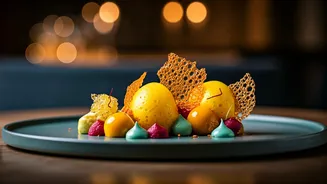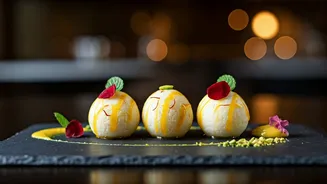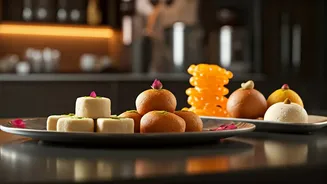


So, What Exactly Is 'Mithai Energy'?
At its heart, mithai energy is the creative spirit of South Asian sweets breaking free from tradition and infusing itself into the global dessert lexicon. Mithai is the Hindi word for a vast universe of confections from India, Pakistan, Bangladesh, and neighboring
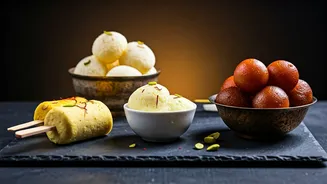
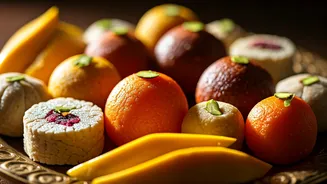
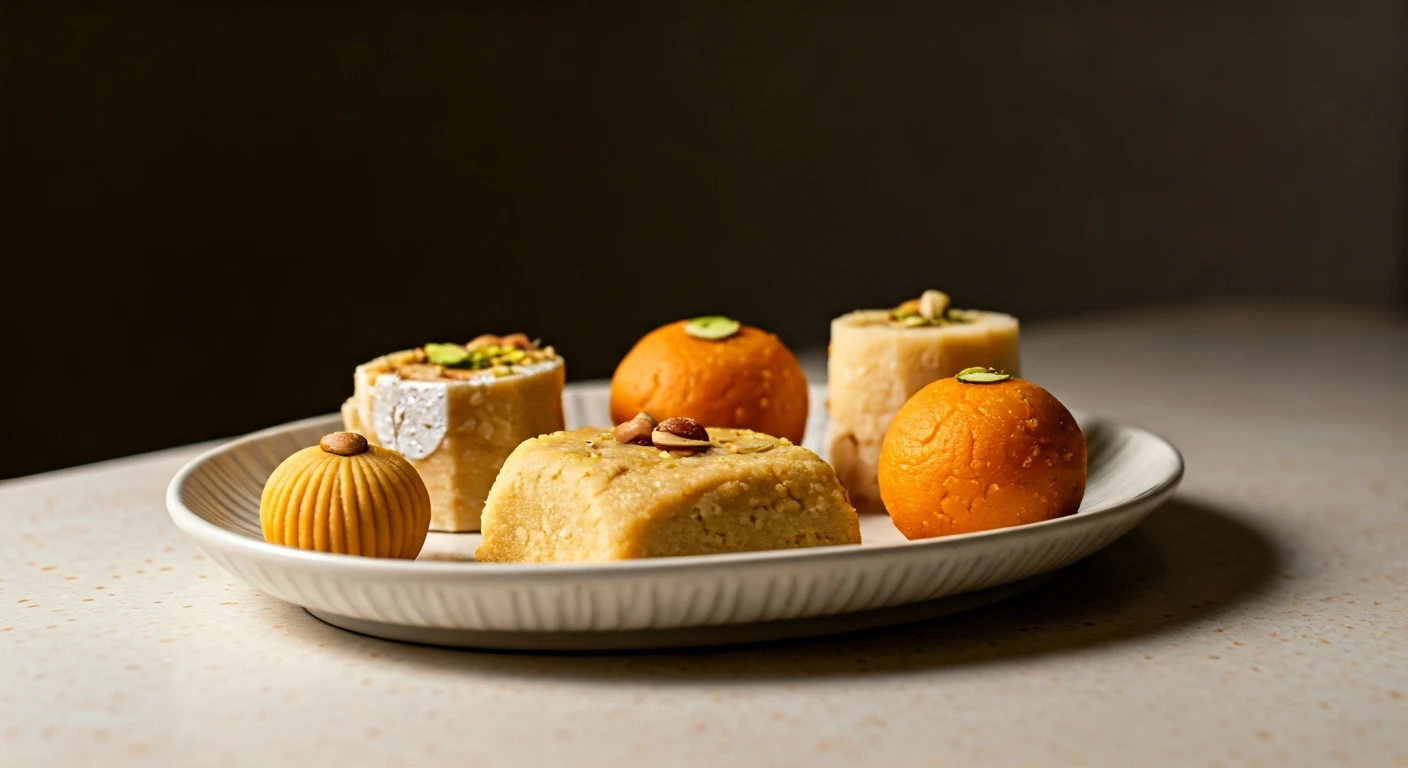
countries. These aren't just candies; they are intricate creations of milk solids, chickpea flour, nuts, and sugar, perfumed with an intoxicating palette of spices and aromatics. Think of the warm, citrusy notes of cardamom, the floral whisper of rosewater, the earthy luxury of saffron, and the nutty depth of pistachios and almonds. For generations, mithai like dense, fudgy barfi, syrup-soaked gulab jamun, and delicate, cheese-based ras malai have been staples of festivals and celebrations. Now, that celebratory, complex flavor profile—that “energy”—is being channeled into familiar Western desserts, creating something entirely new and exciting.
The New Classics: A Delicious Collision
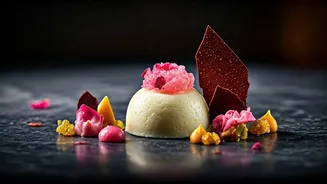
The magic of this trend lies in its playful fusions. It’s not about replacing the classics but reimagining them. Walk into a trendy bakery in New York or Los Angeles today, and you might find a gulab jamun donut—a fluffy, yeasted ring of dough housing a syrupy, milk-solid dumpling at its center. Or perhaps a ras malai tres leches cake, where the traditional milky sponge is soaked not just in three milks, but in a saffron- and cardamom-spiced concoction reminiscent of the Bengali sweet. We’re seeing chai-spiced macarons, mango lassi popsicles, and jalebi-inspired funnel cakes. The most iconic example might be the gulab jamun cheesecake, a dessert that perfectly marries the creamy tang of American cheesecake with the rich, aromatic sweetness of its South Asian counterpart. These hybrids work because they offer both comfort and discovery—the familiar texture of a cookie or cake, electrified with a spice profile that feels both ancient and utterly modern.
The Chefs Forging a New Identity
This movement isn’t happening in a vacuum. It’s being driven by a generation of South Asian American chefs and bakers who grew up between two cultures. For many, food has become a powerful medium for exploring and expressing their hybrid identity. Figures like cookbook author Hetal Vasavada, whose book “Mithai” is a modern bible on the subject, are empowering home bakers to experiment. Meanwhile, small-batch bakeries and pop-ups are leading the charge on the ground. These culinary artists are no longer content with their food heritage being relegated to a niche “ethnic” aisle. They are confidently placing their flavors front and center, asserting that cardamom is as versatile as cinnamon, and that rosewater has a place beyond their grandmother’s kitchen. They are translating the flavors of their childhood for a new audience, creating a delicious dialogue between their heritage and their American reality.
More Than a Trend, It's a Cultural Shift
Why is mithai energy taking hold now? It’s a perfect storm of cultural currents. Firstly, the American palate has never been more adventurous. Decades of exposure to global cuisines have made diners eager for bold, complex flavors. Secondly, social media has played a massive role. These desserts are stunningly beautiful—the vibrant greens of pistachio, the deep golds of saffron, and the delicate pinks of rose create visuals practically designed for Instagram. A picture of a glistening, syrup-soaked pastry can travel the world in seconds, building curiosity and demand. Finally, and perhaps most importantly, this trend reflects a deeper story about immigration and identity in America. As the children and grandchildren of immigrants come of age, they are reshaping American culture in their own image. This culinary movement is a confident declaration that their heritage isn't something to be assimilated away, but something to be celebrated, shared, and innovated upon.