

Chasing the Bloom
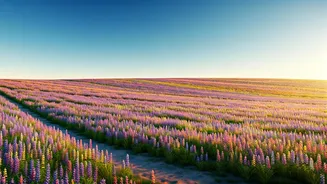
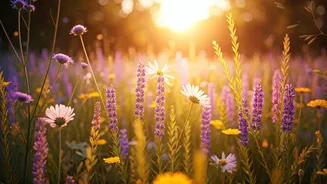
First, the petals. So-called “flower tourism” is no longer a niche pursuit; it’s a mainstream phenomenon. Travelers are planning entire trips around ephemeral natural events, from the breathtaking cherry blossoms in Washington, D.C., to the sprawling
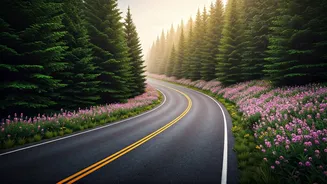
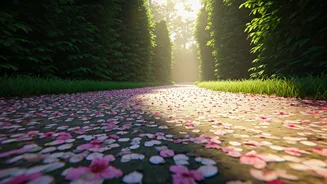
lavender fields of Washington state’s Sequim-Dungeness Valley. In California, the rare desert “superbloom” draws thousands hoping to witness a landscape transformed by a riot of color. This isn't just about seeing pretty flowers. It’s about chasing a fleeting moment of beauty, an experience that can't be replicated on demand. It forces a slower, more deliberate style of travel, where you are present for a specific, magical window of time. The reward is a deep connection to the season and a gallery of photos that feel both epic and deeply personal.
The Un-Curated Perfect Shot
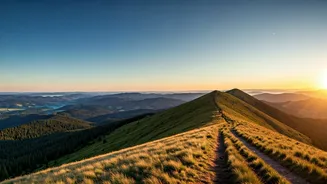
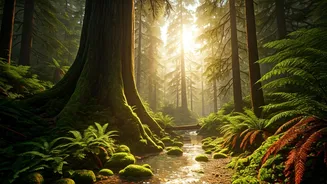
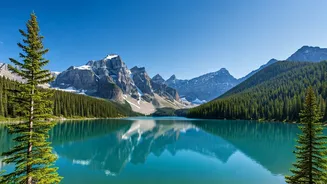
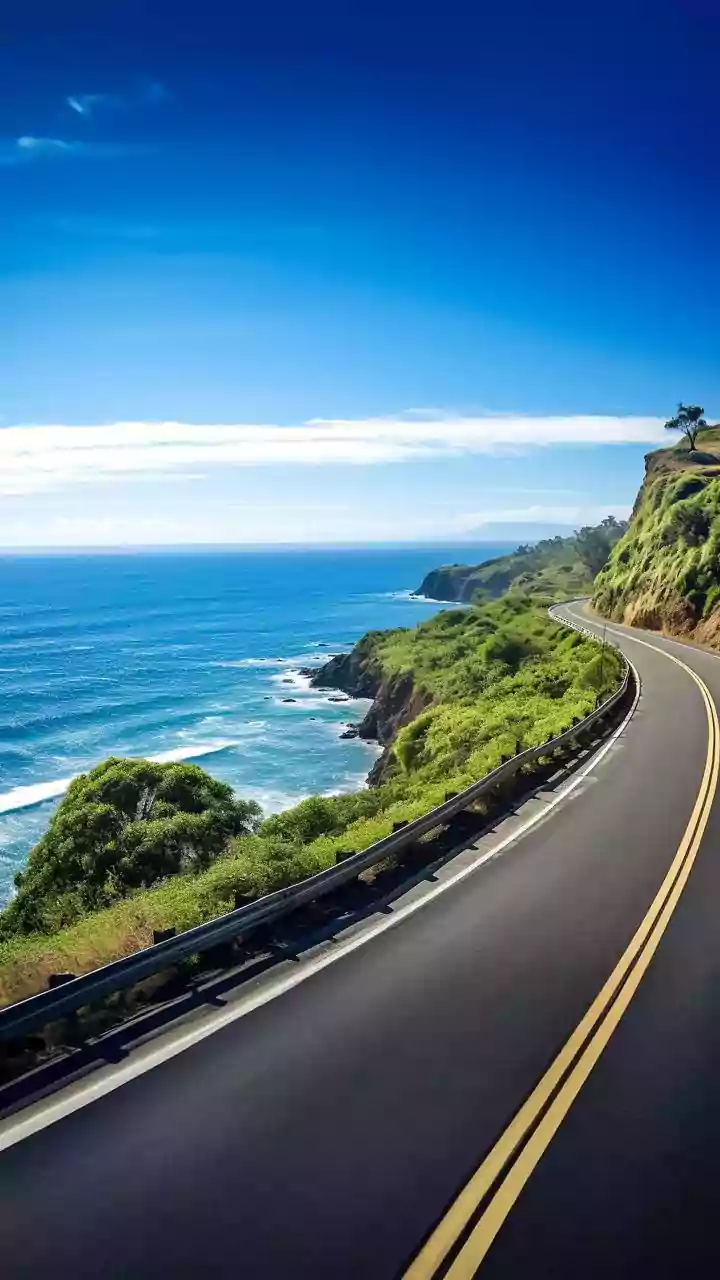
Next, the pictures. While social media has been blamed for over-tourism at cliché photo spots, this new trend is different. It’s less about a forced selfie at a crowded landmark and more about capturing genuine, soul-stirring beauty. Travelers are seeking out landscapes that do the work for them—sweeping vistas, unique geological formations, and serene natural settings that don’t require a filter. Think of the dramatic coastline of Oregon’s Samuel H. Boardman State Scenic Corridor, the otherworldly salt flats of Utah, or the lush, moss-draped forests of the Hoh Rainforest. This desire for the perfect picture is driving people to explore more remote, visually stunning locations. It’s a hunt for an authentic “wow” moment, a scene so compelling that the photograph becomes a cherished piece of art, not just another digital file.
In Praise of the Slow Road
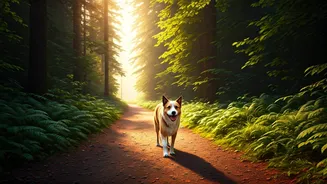
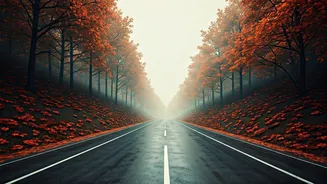
Finally, the peaceful routes. The destination is only part of the equation; how you get there is becoming the main event. The frantic rush of airport to-hotel-to-attraction is being replaced by a love for the journey itself. Scenic drives like the Blue Ridge Parkway in Virginia and North Carolina offer miles of contemplative beauty, with countless overlooks and trailheads inviting you to pause. The same principle applies to exploring by bike on the historic carriage roads of Maine's Acadia National Park or taking a leisurely train ride through a scenic valley. This “slow travel” mindset is a direct rejection of the hyper-efficient, checklist-driven vacation. It’s an embrace of meandering, of discovering a hidden gem on a backroad, and of letting the rhythm of the road dictate the pace of your day. It’s travel as a form of mindfulness, not a race to the finish line.
Finding Your Zen Itinerary
The magic happens when all three elements—petals, pictures, and peaceful routes—come together. These aren't separate desires but facets of a single, holistic travel goal: restoration. Imagine a spring trip to the Texas Hill Country: you drive the winding backroads (the peaceful route), stopping to see endless fields of bluebonnets (the petals), and capture stunning photos of the landscape at golden hour (the pictures). Or consider a fall trip to Vermont: the state’s scenic Route 100 is your guide, connecting you to vibrant foliage, quiet towns, and apple orchards. These trips deliver on the promise of an escape. They are an antidote to burnout, offering a chance to recharge by immersing oneself in simple, profound beauty. They are less about what you did on vacation and more about how you felt.