




The Slow Death of the 3 PM Soda
For decades, the afternoon slump was met with a jolt of sugar and caffeine from a vending machine. Sodas and candy bars were the unofficial fuel of the American office worker. But a cultural tide has turned. The modern professional, armed with a standing
desk and a productivity app, has grown suspicious of sugar. The crash that follows the high is now seen not as a minor inconvenience, but as a direct threat to peak performance. As wellness culture seeped from Instagram feeds into corporate consciousness, the empty calories of a carbonated soft drink started to look less like a treat and more like a liability. This shift created a massive vacuum in the workplace beverage market. Workers still needed energy and convenience, but they wanted it to align with their new health-conscious, efficiency-obsessed identity. The demand for a smarter, faster, 'cleaner' fuel was born, and an entire industry was ready to answer the call.
Enter 'Liquid Efficiency'
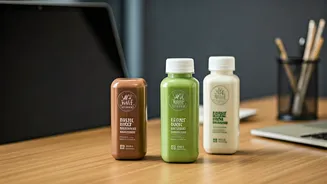
Ready-to-drink (RTD) shakes are the perfect product for this moment. They are the ultimate embodiment of 'food as fuel.' Brands like Soylent, Huel, and Premier Protein offer a compelling trifecta of benefits for the time-poor, ambitious worker: convenience, perceived nutritional value, and speed. There's no prep, no cleanup, and no need to step away from the desk for more than a few seconds. It’s lunch-as-a-service. A single, portable bottle promises a balanced mix of protein, carbs, fats, and essential vitamins—all the building blocks of a meal without the meal itself. This reframes eating from a break or a social ritual into another task to be optimized. For the 'corporate hustler' juggling back-to-back Zoom calls and overflowing inboxes, the 20 seconds it takes to twist open a shake is infinitely more appealing than the 20 minutes it takes to wait in line for a salad.
The New Desk-Side Staples
The market isn’t monolithic; different brands cater to slightly different corners of the hustle culture psyche. Soylent, born in Silicon Valley, still carries an aura of tech-bro biohacking, promising to 'un-complicate' your diet with engineered nutrition. Huel, a British import, leans into a more holistic, plant-based identity, marketing its 'nutritionally complete' meals to a broader wellness audience that values sustainability. Then there are the protein powerhouses like Premier Protein and Fairlife, which started in the gym and have successfully migrated to the office. Their appeal is simpler: high protein, low sugar. They provide a feeling of satiety and muscle-supporting benefits that resonate with professionals who might be trying to fit a workout into their jam-packed schedule. These aren't just drinks; they are identity markers, signaling a commitment to health, productivity, and self-optimization.
But Is It Actually a Health Upgrade?
The marketing is slick, but the nutritional reality is complex. Swapping a 40-gram sugar bomb of a soda for a shake with 30 grams of protein and minimal sugar is, on its face, a net positive. These shakes often deliver on their promises of being a better alternative to junk food. However, they are still highly processed products. Nutritionists are quick to point out that they lack the fiber, phytonutrients, and complex benefits of whole foods. The 'health halo' around them can be misleading; while they are a tool for convenience, they aren't a nutritional replacement for a balanced diet of actual fruits, vegetables, and lean proteins. The trend represents a trade-off: we’re giving up the proven benefits of whole foods for the undeniable convenience of a liquid meal. For many in the corporate world, where time is the most valuable commodity, it’s a trade they are more than willing to make.